Church of San Giacomo

The Church of San Giacomo is an ancient building of medieval origin located on a panoramic hill overlooking the surrounding countryside, offering suggestive views of the Modican territory. Characterised by a sober and simple appearance, it has a façade in local stone devoid of elaborate decorations and a small bell gable, typical of rural churches. Inside, the single-nave environment houses a stone altar and remains of pictorial decorations, evidence of ancient artistic and devotional practices. Historically, the church was dedicated to the cult of St James and was a pilgrimage destination and a fundamental reference point for the agricultural communities of the area, who gathered there for moments of prayer and celebration. Although today it is only open on rare religious occasions, this church remains a precious example of popular religiosity and minor sacred architecture, a witness to the spiritual history of the Modican territory.
Rupestrian church of San Nicolò Inferiore

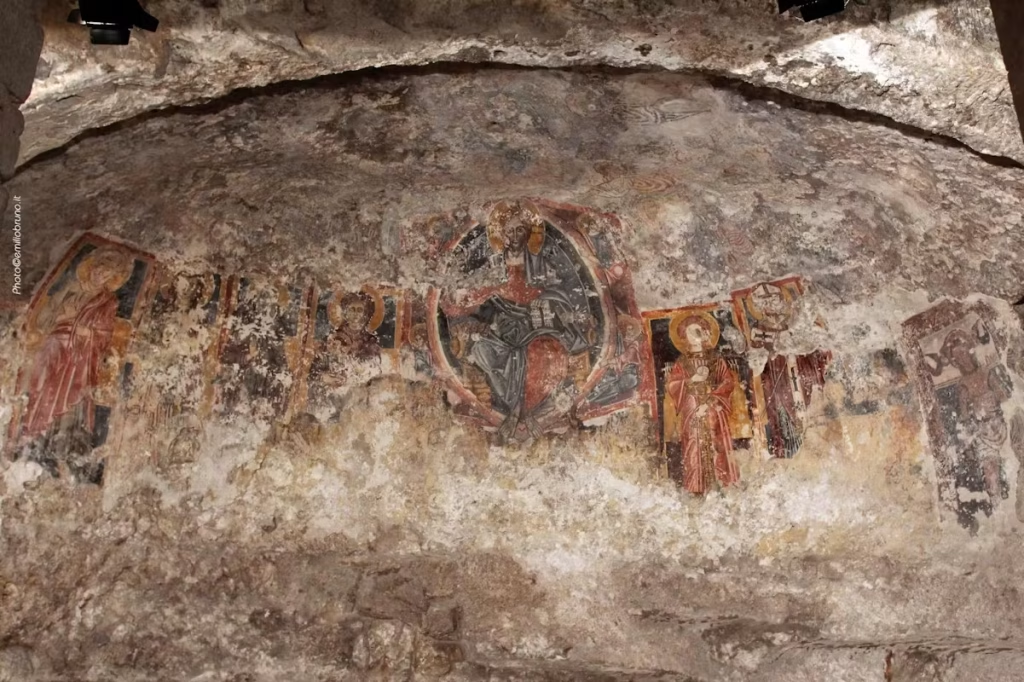
The rupestrian church of San Nicolò Inferiore, located on Via Clemente Grimaldi in the heart of Modica Bassa, represents one of the oldest and most precious testimonies of Christian worship in the city. Excavated directly into the rock between the 11th and 12th centuries, this underground church was rediscovered by chance in 1987 during private work, bringing to light a sacred environment of great historical and artistic value. The simple layout, with a rupestrian altar and semicircular apse, houses well-preserved frescoes of Byzantine origin, including the majestic figure of Christ Pantocrator, a symbol of power and divinity. Today, the church is a museum site accessible to visitors accompanied by expert guides, who illustrate its importance as a rare example of medieval sacred rock art in Sicily. This extraordinary place represents a deep link with Modica’s religious and cultural roots.

The Church of Santa Maria del Gesù

The Church of Santa Maria del Gesù, located in Modica Alta, was built between 1478 and 1481 as part of a Franciscan complex that also included the convent, completed by 1520. It is one of the most important and best-preserved examples of late Gothic architecture in Sicily. The church features an elegant Gothic-Catalan portal, a precious rose window pierced in stone and 16th-century frescoes decorating the interior walls. The adjoining cloister, with its harmonious colonnade and central well, recalls the ancient monastic spirit and offers a place for calm and reflection. A rare example of a building that survived the 1693 earthquake without serious damage, it has undergone careful restoration after decades of neglect. Today the church hosts cultural events and guided tours, establishing itself as one of Modica’s most significant places of historical and artistic memory.

Chocolate Museum of Modica

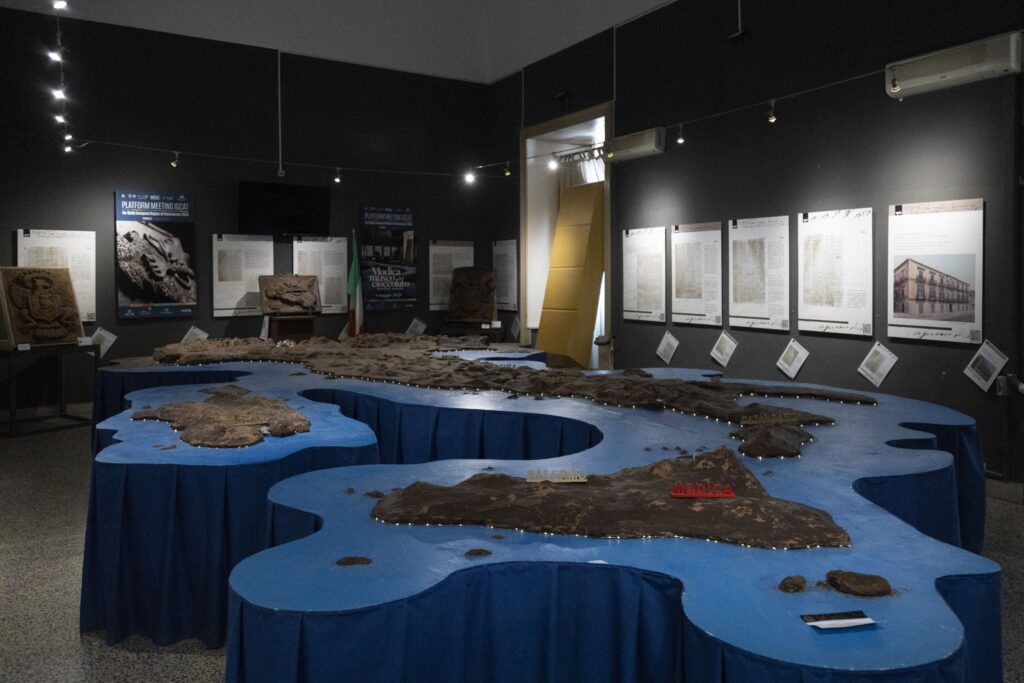
The Chocolate Museum of Modica, located along the central Corso Umberto I, is a unique homage to the city’s celebrated chocolate-making tradition, famous in Europe for its special “cold” processing, of Aztec origin, which gives Modica chocolate a grainy texture and unmistakable flavour. Opened in 2014, the museum offers visitors a fascinating journey through the history of chocolate, ancient tools and traditional production methods, illustrated through interactive exhibits, explanatory panels and educational workshops. Among the most spectacular attractions are the chocolate sculptures, including a detailed map of Italy carved entirely with great skill. The museum also holds valuable documents related to the PGI recognition of Modican chocolate. Today it represents an essential reference point for gastronomic and cultural tourism in the city, celebrating a product that is a true symbol of Modican identity.

Visual-tactile Museum

The “Tommaso Campailla” visual-tactile museum in Modica is an innovative cultural space dedicated to the accessibility and inclusion of people with visual impairments. Thanks to a unique multisensory route, the museum offers visitors the opportunity to explore the history, art and landscape of Modica through three-dimensional relief models, detailed audioguides and interactive materials specifically designed to stimulate touch and hearing. This approach makes the historical and cultural heritage accessible to all, overcoming barriers and encouraging active and inclusive participation. The museum is today an excellence in the field of cultural education and accessibility, promoting values of solidarity and appreciation of the territory in an open and innovative dimension.

Museum of Memory

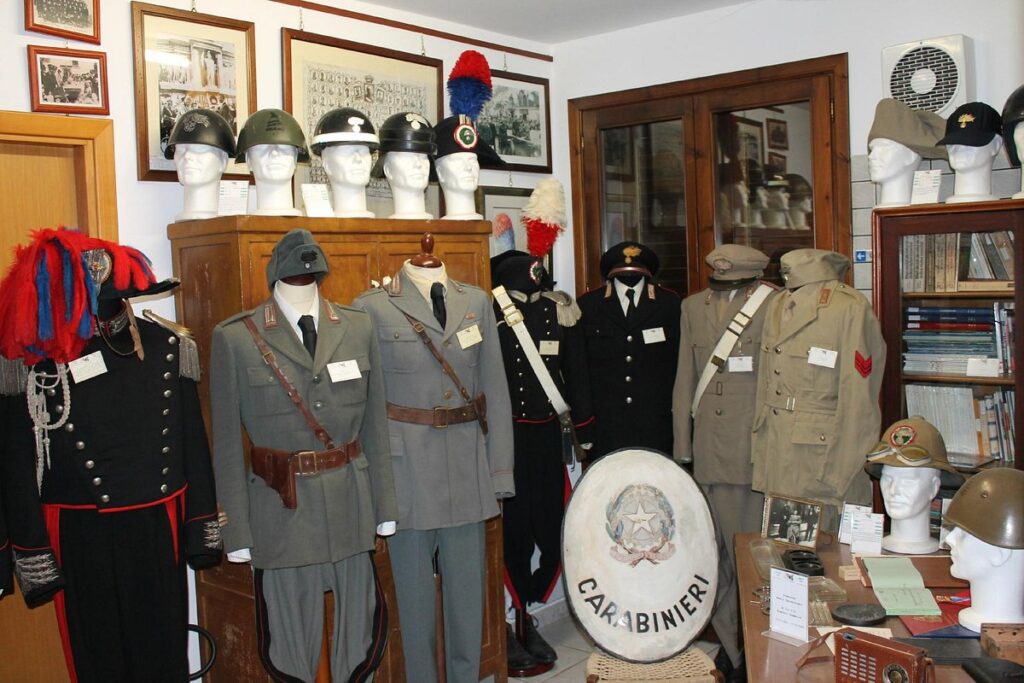
Museum of Memory – Sicilia 1943, located at Via Sorda Sampieri, 46/D in Modica, is a place that preserves and recounts the dramatic events experienced by Sicily during the Second World War. Founded in 2012 by Andrea Blefari and Antonino Montalto, the museum houses a vast collection of war relics, uniforms, helmets, military vehicles, unpublished documents and historical photographs. The exhibition traces the stages of the Anglo-American occupation in Sicily, with a focus on the Allied landings (Operation Husky) and the Italian-German resistance. The museum also offers a section dedicated to the history of the Royal Army and Nazi Germany, allowing visitors to understand the complex dynamics of the conflict in the Sicilian context. It is a place of memory and reflection, fundamental for the preservation of local history.

Pipe Museum

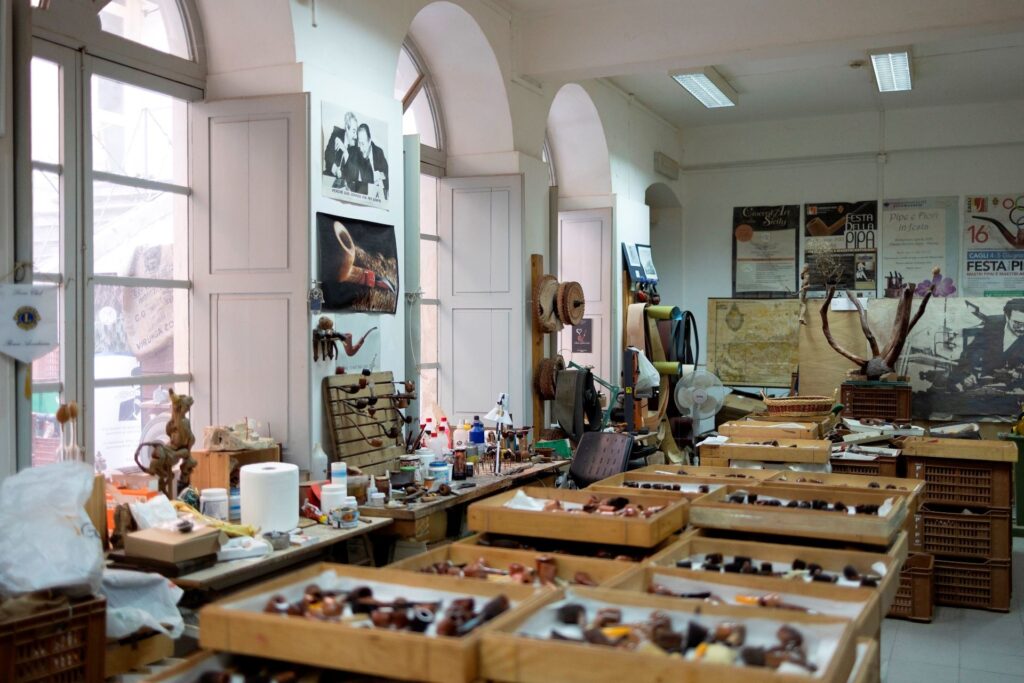
The Modica International Pipe Museum, located at 58 Corso Giuseppe Garibaldi, is a unique and fascinating place that celebrates the art and tradition of pipe-making, an object of refined craftsmanship. Founded by master Salvatore Amorelli, known throughout the world for his jewel pipes made with precious materials and refined techniques, the museum offers visitors a true journey through time to discover the history, culture and manufacturing techniques of this unique artefact. Inside you can admire a vast collection of pipes, historical instruments, lathes and ancient tools used by craftsmen, while educational workshops allow you to learn directly about traditions and production methods. The museum is an essential reference point for enthusiasts, scholars and the simply curious, offering a truly unique educational, cultural and artistic experience.

The Sifilicomio Campailla – Museum of Medicine

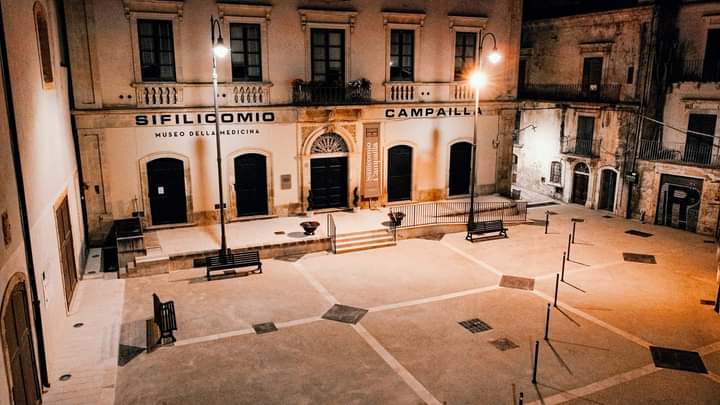
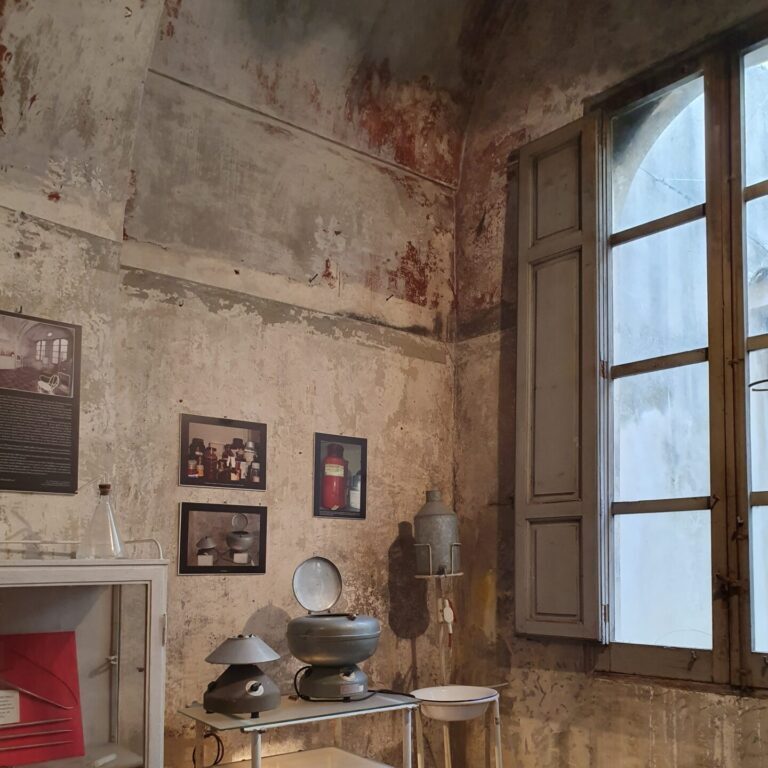
The Sifilicomio Campailla – Museum of Medicine, located in Piazza Matteotti in Modica, is a rare and valuable example of an 18th-century health facility dedicated to the treatment of syphilis, a widespread and feared disease at the time. The complex is famous for housing the famous mercurial stoves, stone rooms designed to subject patients to therapeutic vapours containing mercury, an innovative practice at the time. This methodology was devised by the famous Modican physician and philosopher Tommaso Campailla (1668-1740), who pioneered experimental medicine. The museum preserves original instruments, period furniture and information panels detailing the medical practices and scientific theories of the time. Carefully and rigorously restored, the site offers visitors a unique and fascinating testimony to a significant page in the history of medicine and science in Sicily, paying tribute to Modica’s contribution to medical progress.

The birthplace of Salvatore Quasimodo

The birthplace of Salvatore Quasimodo, located in Via Posterla in Modica, is the place where one of the greatest Italian poets of the 20th century, winner of the Nobel Prize for Literature, was born in 1901. Transformed today into a museum house, it jealously preserves the original furnishings, personal objects and the famous Olivetti typewriter with which Quasimodo composed his works, offering an authentic and intimate atmosphere. The simple, intimate environment recounts the poet’s humble origins and life through photographs, documents, manuscripts and texts on display, allowing visitors to come into contact with his human and artistic experience. The house represents a fundamental reference point for lovers of literature and culture, becoming a space of living memory and a profound symbol of the cultural identity of the city of Modica.

Duomo di San Giorgio

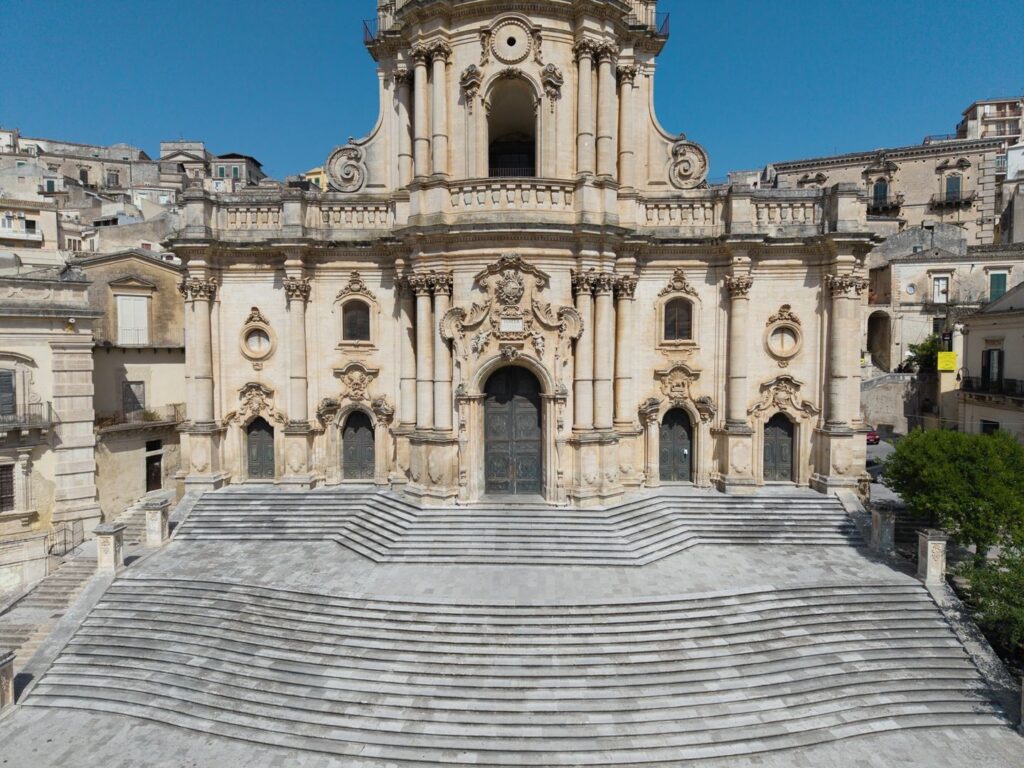
The Cathedral of San Giorgio is Modica’s most majestic monument and one of the masterpieces of Sicilian Baroque. It was built over medieval buildings after the arrival of Ruggero d’Altavilla and, rebuilt several times after major earthquakes (1542, 1613, 1693), took on its current appearance between the 18th and 19th centuries. Architectural masterpieces such as the scenic staircase (up to 260 steps) and the 62 m high tower-facade emphasise its theatricality. Inside, a Latin-cross layout with 22 Corinthian columns, stucco work, frescoes, a monumental organ and works by Bernardino Nigro, Paladini, Cane and sculptors from Gagini create an impressive artistic itinerary. The floor sundial from 1895 and the “Santa Cassa” increase the cultural and historical value. A place of faith and identity, every year it is the scene of solemn processions, in particular that of St George, the city’s patron saint. A UNESCO World Heritage Site, it is an essential stop for anyone visiting Modica who wants to immerse themselves in the splendour of the Eastern Baroque.