Teatro Garibaldi

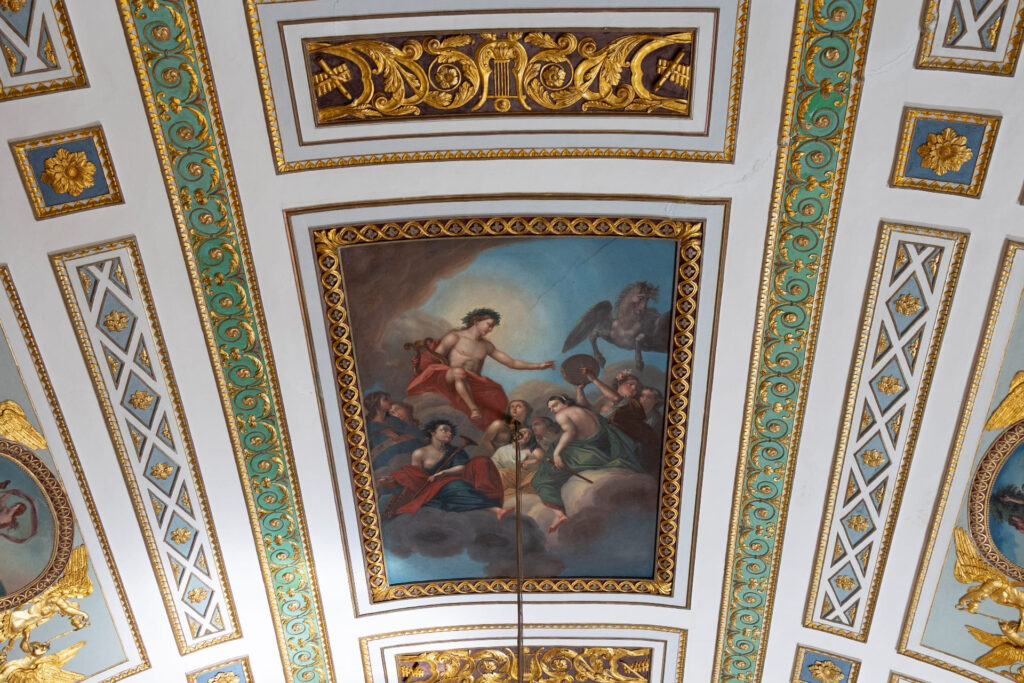
The Garibaldi Theatre in Modica, inaugurated in 1857, is one of the city’s most important and evocative historical theatres. Located in the heart of Modica Bassa, along the central Corso Umberto I, it has an elegant neoclassical façade embellished with refined Art Nouveau details that highlight its prestige and history. Inside, the structure is organised with a wide stalls and numerous boxes arranged in a horseshoe shape, typical of 19th-century theatres, offering an optimal view of the stage from every point. The ceiling, finely frescoed and decorated, contributes to a refined and cosy atmosphere. The stage, fitted with modern equipment, hosts plays, concerts, operas and other cultural events, making the theatre the beating heart of Modica’s artistic life. Named after Italian national hero Giuseppe Garibaldi, the theatre represents a symbol of cultural and social identity for the local community.
Palazzo Polara

Il Palazzo Polara, situato in Via Polara, adiacente al maestoso Duomo di San Giorgio a Modica Alta, rappresenta un raffinato esempio di architettura barocca civile del XVIII secolo. La sua elegante facciata si distingue per i balconi in ferro battuto finemente lavorati e per i dettagli scolpiti in pietra locale, che raccontano la maestria artigianale tipica del territorio. Il portale monumentale, imponente e scenografico, introduce a interni sontuosi, caratterizzati da decorazioni ricche di affreschi e stucchi pregiati, visibili al pubblico solo in occasioni speciali o visite guidate. Questo palazzo è testimone del prestigio e del potere delle famiglie nobiliari modicane, inserendosi perfettamente nel tessuto storico e artistico del centro antico. Offre così un prezioso spaccato della vita quotidiana e dello stile settecentesco di Modica, evocando un’atmosfera di eleganza e raffinatezza d’altri tempi.

Palazzo Grimaldi

Il Palazzo Grimaldi, situato lungo il prestigioso Corso Umberto I a Modica, è uno splendido esempio di architettura barocca civile del XVIII secolo, che riflette il gusto e lo status elevato della nobiltà modicana. La facciata si distingue per le elaborate decorazioni in pietra scolpita e per i balconi in ferro battuto, realizzati con maestria artigianale e arricchiti da motivi ornamentali tipici dell’epoca. L’ingresso monumentale, ampio e scenografico, conduce a interni raffinati, caratterizzati da affreschi, stucchi pregiati e soffitti decorati con cura, che testimoniano l’eleganza e la ricchezza dei proprietari originari, la famiglia Grimaldi. All’interno si trovano inoltre un cortile interno e scale grandiose, che contribuiscono a creare un’atmosfera di nobiltà e prestigio. Oggi il palazzo è utilizzato come residenza privata o per eventi culturali, mantenendo vivo il legame con la storia aristocratica e artistica di Modica, e rappresenta un’importante testimonianza del patrimonio civile barocco della città.

Palazzo Napolino-Tommasi Rosso

Il Palazzo Napolino-Tommasi Rosso, situato in Corso Francesco Crispi nel centro storico di Modica, è un raffinato esempio di architettura barocca civile del XVIII secolo, che testimonia il prestigio e l’eleganza delle famiglie nobiliari locali. La facciata in pietra locale si caratterizza per la presenza di balconi in ferro battuto finemente lavorati e un portale d’ingresso scolpito con grande cura, elementi che conferiscono all’edificio un aspetto armonioso e raffinato. All’interno, quando accessibili, gli ambienti si distinguono per i soffitti affrescati e le decorazioni in stucco, realizzate con maestria artigianale e capaci di raccontare la ricchezza culturale e artistica di un’epoca. Il palazzo rappresenta così una preziosa testimonianza del patrimonio storico e artistico modicano, rimanendo uno degli edifici di rilievo nel tessuto urbano settecentesco della città, che contribuisce a preservare l’identità e la memoria storica di Modica.

Fornace Penna

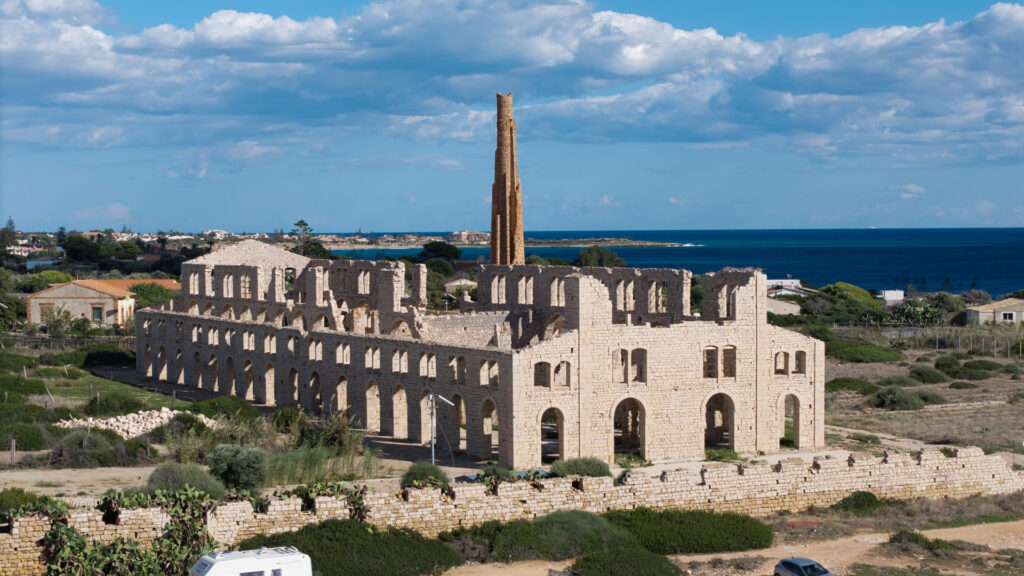
The Fornace Penna, located in the hamlet of Sampieri in the municipality of Scicli, is a significant historical industrial site completed in 1912 in Contrada Pisciotto. Designed for the production of bricks and tiles, it was a cornerstone of the local ceramic industry and played a crucial role in the economic development of the Iblean area in the early 20th century. In 1926, the factory was severely damaged by an arson fire, the causes of which remain shrouded in mystery, and its production activities were compromised. Despite this, the complex has retained its grandeur thanks to its rationalist industrial architecture, featuring tall chimneys, masonry structures, and functional spaces that reflect its historical and technical value. Today, the Fornace Penna is promoted as a cultural and tourist site, hosting events, exhibitions, and initiatives that celebrate the industrial and traditional heritage of Sampieri and the surrounding area, acting as a bridge between past and present.

Palace Spadaro

Palace Spadaro, located on Via Francesco Mormina Penna in Scicli, is a refined example of Sicilian Baroque architecture dating back to the 18th century. The façade features elegantly crafted wrought iron balconies, finely carved local stone portals, and rich stucco decorations that highlight the nobility and prestige of the family that once lived there. Inside, the palace preserves rooms of great artistic value, with coffered ceilings, frescoed halls, and original period furnishings that recreate the atmosphere of a bygone era. These elements tell the story of an aristocratic residence deeply rooted in Scicli’s cultural tradition. Today, Palazzo Spadaro is open to the public as a museum and hosts cultural events, exhibitions, and initiatives, serving as an important center for the promotion of local historical and artistic heritage.

Palace Beneventano

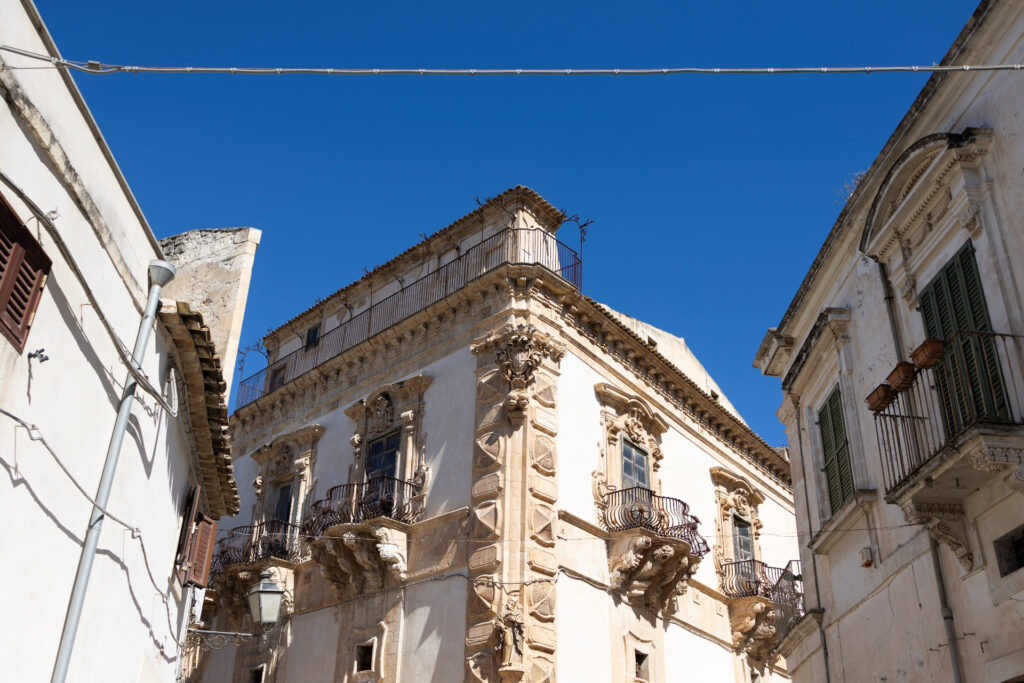
Palace Beneventano is one of the finest expressions of Sicilian Baroque, located on Via Duca D’Aosta in Scicli, in the heart of the historic center. Built in the 18th century, the palace stands out for the extraordinary artistic quality of its façade, adorned with grotesque masks, sculpted corbels, allegorical figures, and curved wrought-iron balconies. This combination of elements creates a dramatic visual effect that blends symbolism, irony, and fantasy in a unique synthesis. Cited by scholars and art historians as one of the most significant examples of Iblean Baroque, the palace is not currently open to the public but continues to attract visitors, photographers, and enthusiasts for its exceptional beauty. It is considered one of the symbolic monuments of Scicli and a noteworthy piece of international architectural heritage.

Quarry of Ispica and Forza Park

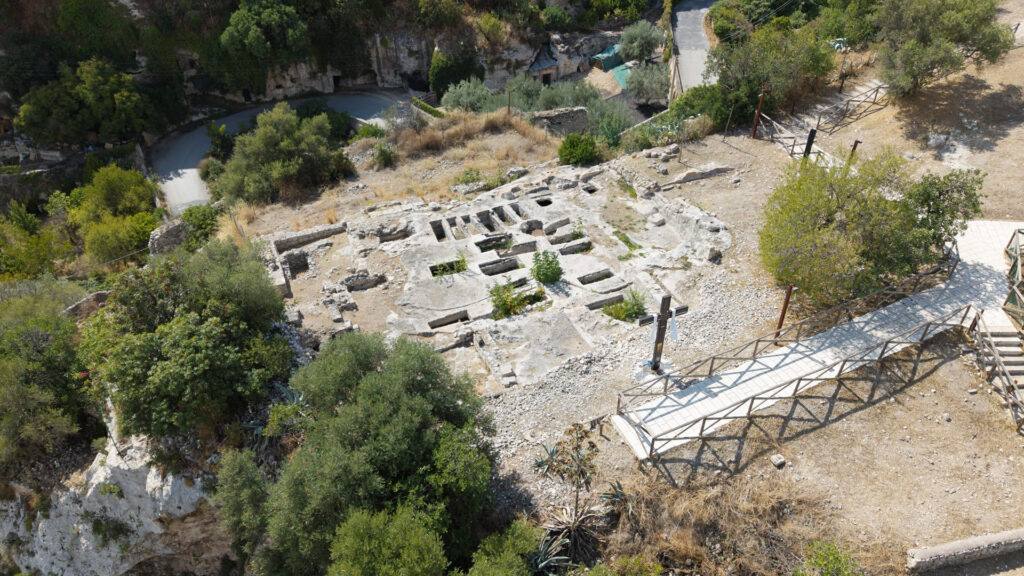
Quarry of Ispica is a river valley stretching about 13 km between Modica and Ispica, featuring rock-cut settlements that date from the Bronze Age (ca. 3000 BC) to the 14th century. The most significant area is Parco Forza, located on a fortified rocky spur known as the Fortilitium. Here you’ll find the remains of the Marchional Palace, medieval walls, the Church of the Annunziata, and hypogean structures such as stables and the famous “Centoscale” (Hundred Stairs) carved into the rock. The area is surrounded by caves, mills, rock carvings, catacombs, and an antiquarium. Today, the site is an open-air museum enhanced by cultural routes, nature excursions, and events like the living nativity scene, making it an essential destination for those who wish to explore the millennia-old relationship between humans and the environment in Sicily.

Palace Modica

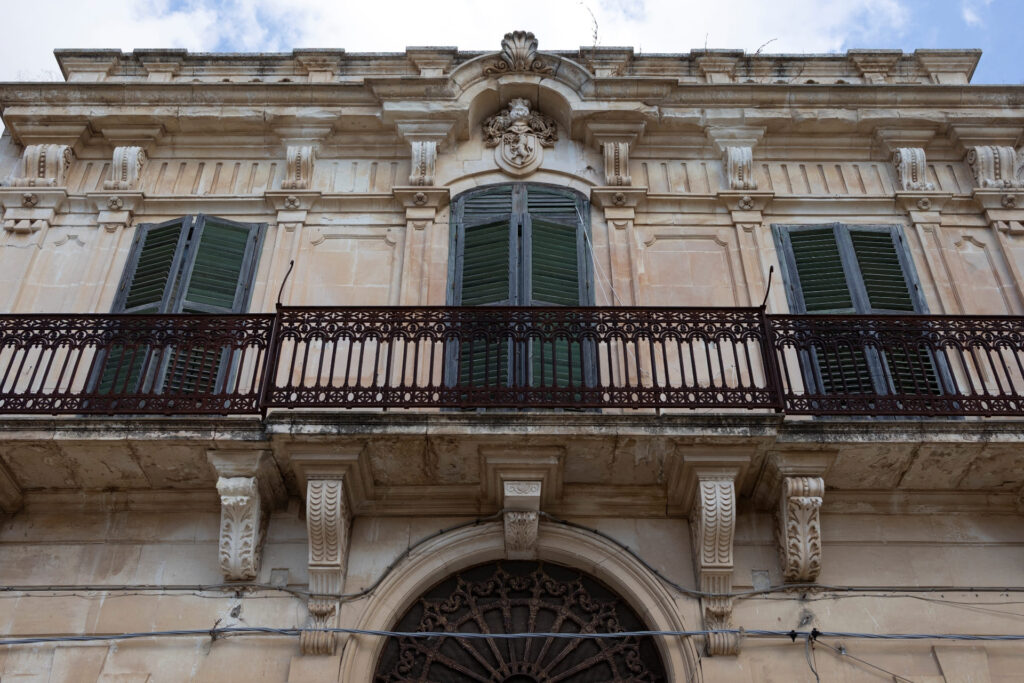
Palace Modica, located in Piazza Antonio Brancati in the heart of Ispica’s historic center, is a refined example of noble architecture dating back to the late 19th and early 20th centuries. Its imposing façade stands out for its finely crafted wrought-iron balconies and stone decorations, which highlight its elegance and connection to the local tradition. Inside, spacious halls with high ceilings and carefully designed architectural details reflect the lifestyle of the aristocratic families who once lived there, bearing witness to a time of prestige and culture. Today, Palazzo Modica serves as a vibrant space for the city, hosting cultural events, exhibitions, and artistic performances that enhance the value of the local historical heritage. The palace remains an important point of reference for the community of Ispica, preserving and promoting the city’s historical and artistic traditions.

Palace of Bruno di Belmonte

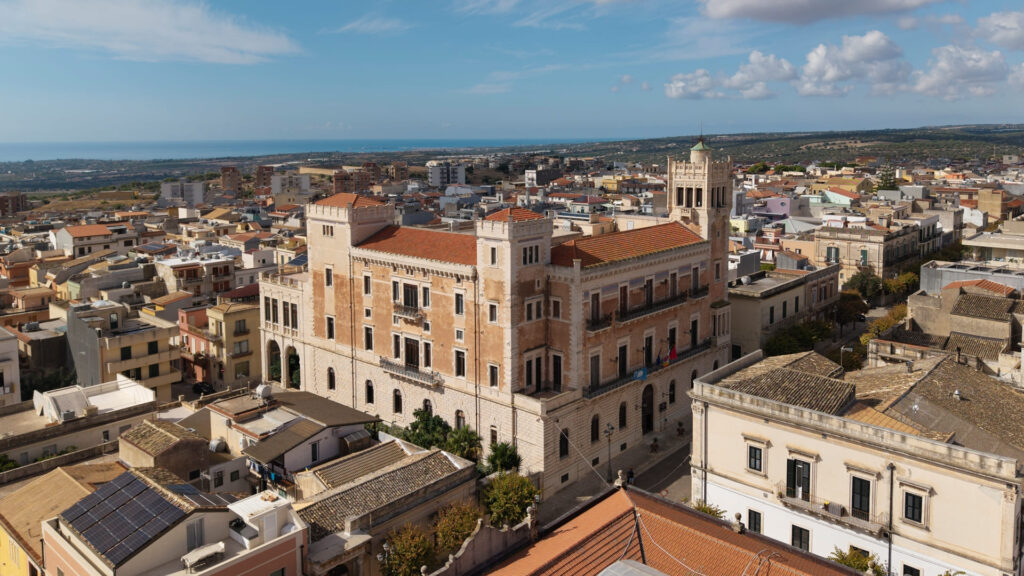
Palace of Bruno di Belmonte began in 1906, designed by architect Ernesto Basile, one of Italy’s leading exponents of the Art Nouveau style. Located in the heart of Ispica’s historic center, the palace is considered one of the most significant Art Nouveau buildings in Sicily. Its architecture is a refined blend of eclecticism and neo-Baroque, evident in the façade, which features wrought-iron balconies, floral decorations carved in stone, and Art Nouveau motifs in the windows and cornices. The interior still retains majolica floors, frescoes, and period architectural details that reflect the refined taste of the Bruno di Belmonte family. Currently serving as Ispica’s Town Hall, it also hosts cultural events, exhibitions, and institutional meetings, becoming a focal point for the city’s public and cultural life. The palace represents a masterpiece of early twentieth-century Sicilian architecture and a symbol of community identity.