The Archaeological Park of Kamarina

The Archaeological Park of Kamarina preserves the remains of the ancient Greek colony founded by Syracuse in 598 BC, which was destroyed and rebuilt several times over the centuries. Located on a panoramic plateau overlooking the sea, the site includes the remnants of the Greek settlement, with fortifications, necropolises, the agora, kilns, and a small temple. The Regional Archaeological Museum exhibits artifacts uncovered during excavations, including ceramics, amphorae, coins, and statues that illustrate the daily and religious life of the time. Kamarina is a precious testimony to the ancient history of southern Sicily, combining historical, archaeological, and landscape value. The visit offers a unique experience that blends culture and nature, immersed in the evocative setting of the Hyblean coastline.

Palace Celestri–Sant’Elia–Arezzo

Palace Celestri–Sant’Elia–Arezzo, located in Piazza G. B. II Celestri, is one of the most significant and representative historic buildings in Santa Croce Camerina. Its construction began in the 16th century, and over the centuries it became the residence of prominent local noble families, including the prestigious Celestri di Sant’Elia, known for their important role in the social, economic, and political life of the area. The building stands out for its austere yet harmonious façade, featuring wrought-iron balconies and stone mouldings—elements typical of Sicilian noble architecture of the time. The wide entrance portal, finely decorated, retains the elegance and stylistic refinement of the Baroque, making the palace a remarkable example of historical architectural style. Although the interior is not open to the public, the palazzo remains a valuable historical and cultural landmark, enriching the monumental and artistic heritage of the town center and keeping alive the memory of the noble families who shaped the local history.

The Old Capuchin Convent

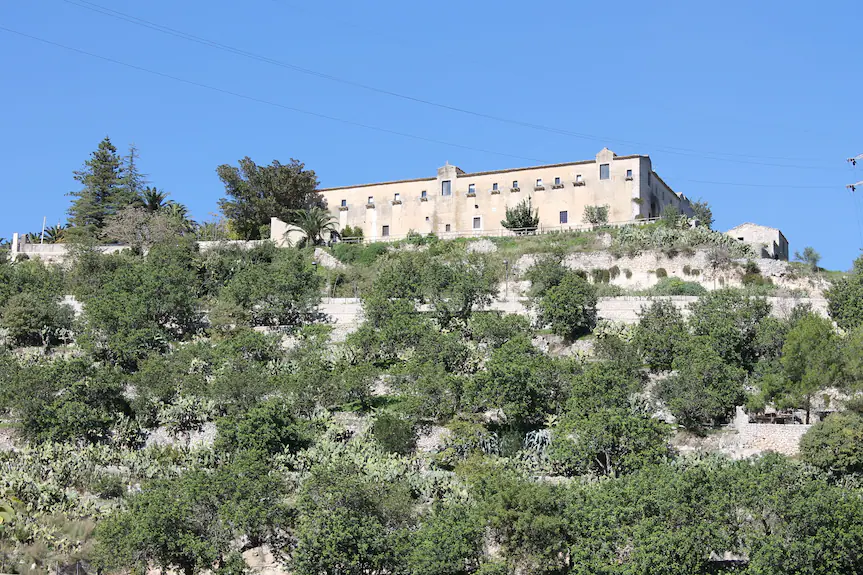
The Old Capuchin Convent, at Viale Margherita 41 in Ragusa Ibla, is a significant example of 17th century convent architecture. Founded according to the rule of the Capuchin Friars Minor, the complex has a simple and sober structure, with a cloister, monastic cells and spaces dedicated to prayer and community life. The façade and interior reflect the austere spirituality of the order, without excessive decoration. Situated in a panoramic position, the convent is surrounded by green areas and offers a suggestive view of the lower part of Ragusa Ibla. Recently restored, today it hosts cultural events, exhibitions and workshops, contributing to the enhancement of the historical and religious heritage of the city. It represents an important link between the monastic tradition and Ragusa’s contemporary cultural life.
Palace Carratello

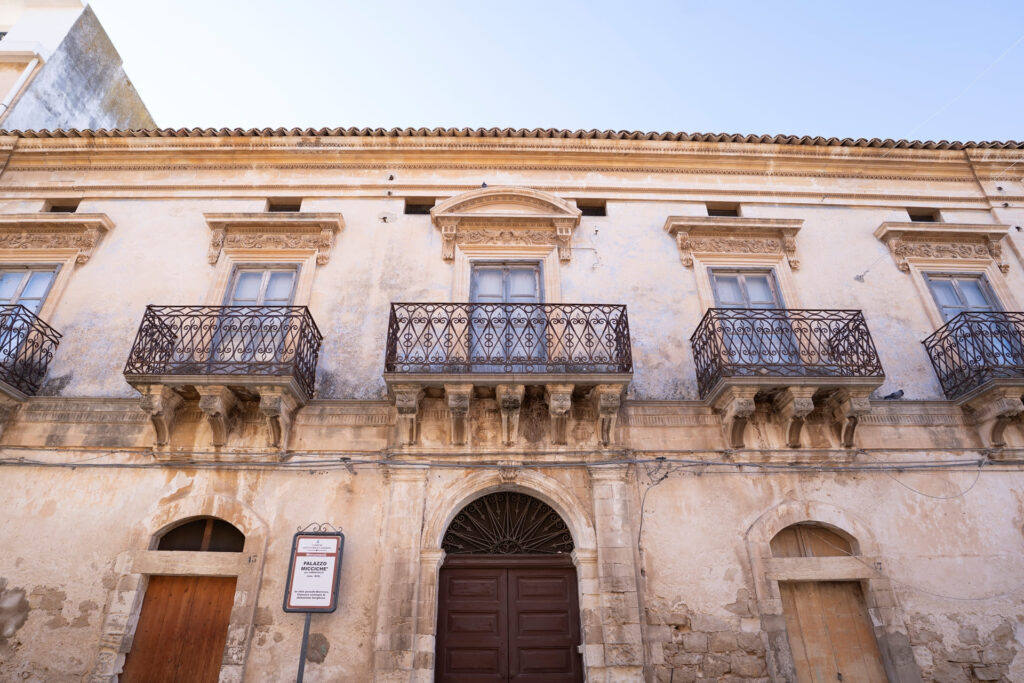
Located along the historic Via dei Martiri Elli Romeo, Palazzo Carratello is a refined noble residence dating back to the 19th century and stands as an important example of aristocratic architecture typical of the period. Its façade, simple yet extremely elegant, is distinguished by wrought-iron balconies supported by finely carved stone corbels and large moulded windows that lend harmony and lightness to the building. The entrance portal, made of solid wood and framed by finely decorated stone elements, leads into a structure that, although privately owned and not open to the public, remains a prominent landmark in the urban fabric of Santa Croce Camerina. The palace embodies the style and elegance of the local aristocracy, significantly contributing to the town’s historical and cultural identity. Its presence bears witness to the importance of noble families in shaping the village’s history, making Palazzo Carratello an architectural gem to be admired even from the outside.

New Bridge

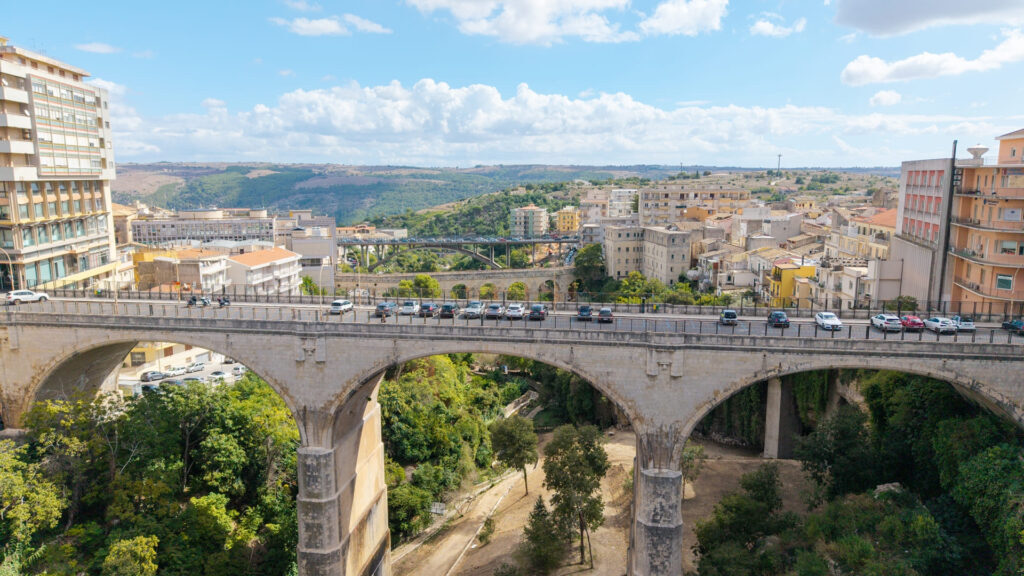
The Ponte Nuovo (New Bridge), located along Via Roma in Ragusa, is one of the main city infrastructures built in the 20th century. Inaugurated in 1937 and designed in the rationalist style, it was conceived to improve the connection between Ragusa Superiore and the Palazzello district. Built in reinforced concrete, it is characterised by its three elegant arches and local stone parapets, combining functionality and aesthetic sobriety. With a length of more than 100 metres and a height of more than 40 metres, the bridge dominates the valley of the San Leonardo river, offering striking views of the surrounding landscape. It still represents a key element for urban mobility in Ragusa and an important symbol of the city’s infrastructural progress, bearing witness to the architectural and engineering evolution of the period.

Palace Fava

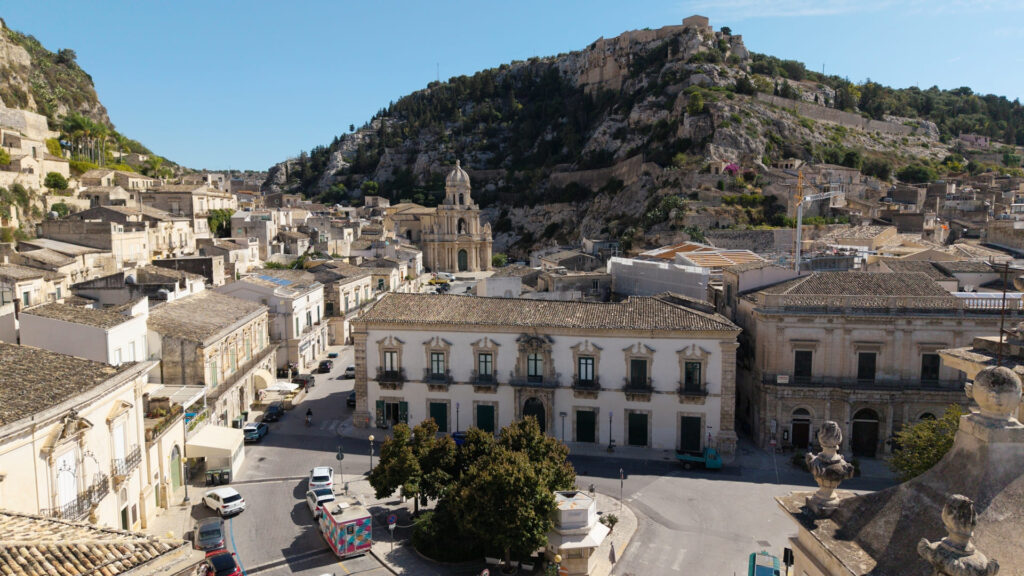
Located in Scicli’s Piazza Italia, Palace Fava is a historic residence dating back to the late 18th century. The building is notable for its unique urban layout, with two main façades facing Via San Bartolomeo and Via Castellana, highlighting its importance within the city’s monumental and historical fabric. Built in the Sicilian late Baroque style, the palace is distinguished by elegant wrought iron balconies, moulded cornices, and understated local stone portals, which enhance its refined architectural presence. Although currently privately owned and not regularly open to the public, Palazzo Fava remains a significant contributor to the identity and prestige of Scicli’s historic center, one of the jewels of the Val di Noto, renowned for its exceptional artistic and cultural heritage.

The archaeological site of Caucana

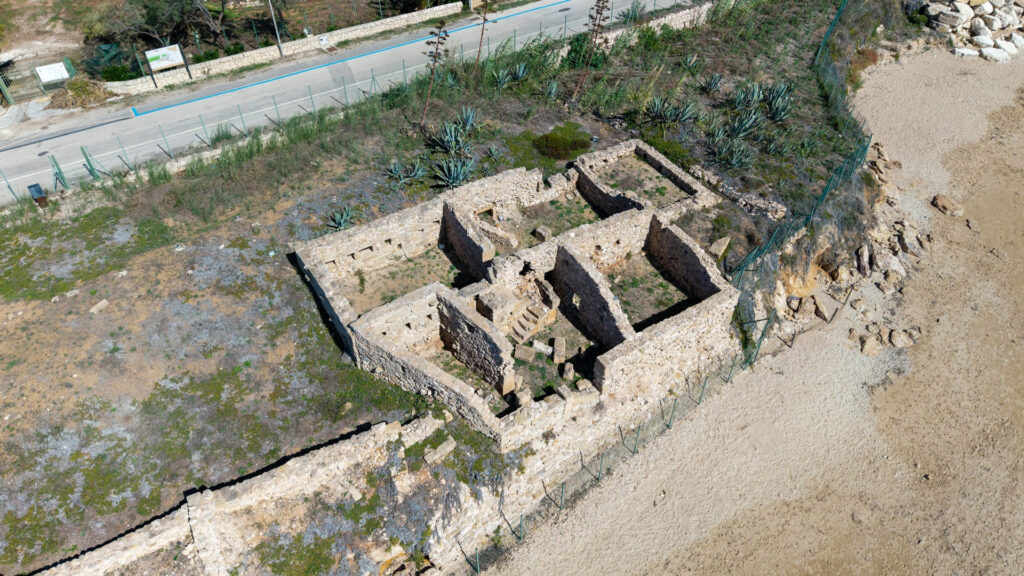
The archaeological site of Caucana preserves the remains of an ancient coastal settlement active between the 4th and 7th centuries AD, likely a port village dependent on Kamarina. Excavations reveal rectangular-plan houses, a basilica with an apse, worship areas, and stretches of road that attest to continuous settlement during the Byzantine period. The houses, built with local stone and often arranged around courtyards, reflect a simple yet functional urban layout. Overlooking the sea, Caucana represents a rare example of coastal urban archaeology in southeastern Sicily. Today, the site is accessible via marked pathways that enhance its historical and scenic value, offering visitors an immersive journey into the ancient history of the region.

San Bartolomeo Caves

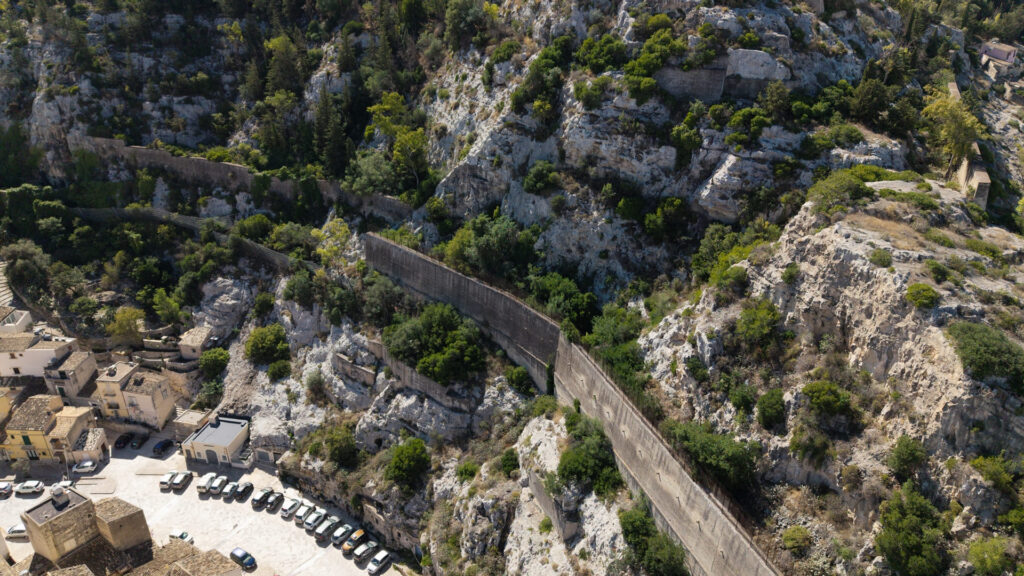
The San Bartolomeo Caves are located in a narrow and lush valley in Scicli, nestled between imposing calcarenite walls that enhance their natural charm. This rock-cut complex consists of numerous hand-carved cavities in the stone, which were used in past centuries as troglodyte dwellings, temporary shelters, and storage spaces by local communities. Some of the caves still display traces of architectural elements and functional excavations, bearing witness to a continuous use adapted to the needs of the rural population. The surrounding area, with terraced fields and nature trails, creates a landscape of rare beauty where nature and history blend harmoniously. Today, the caves offer valuable testimony to traditional forms of habitation and daily life in the Iblean territory, providing a unique opportunity to immerse oneself in the rural past of this part of Sicily.

Vigliena Tower

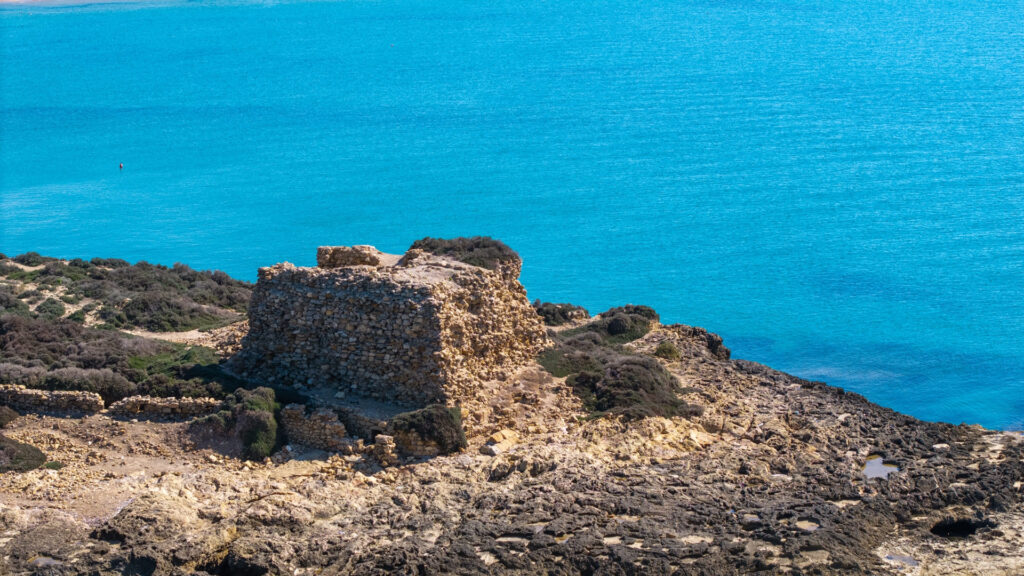
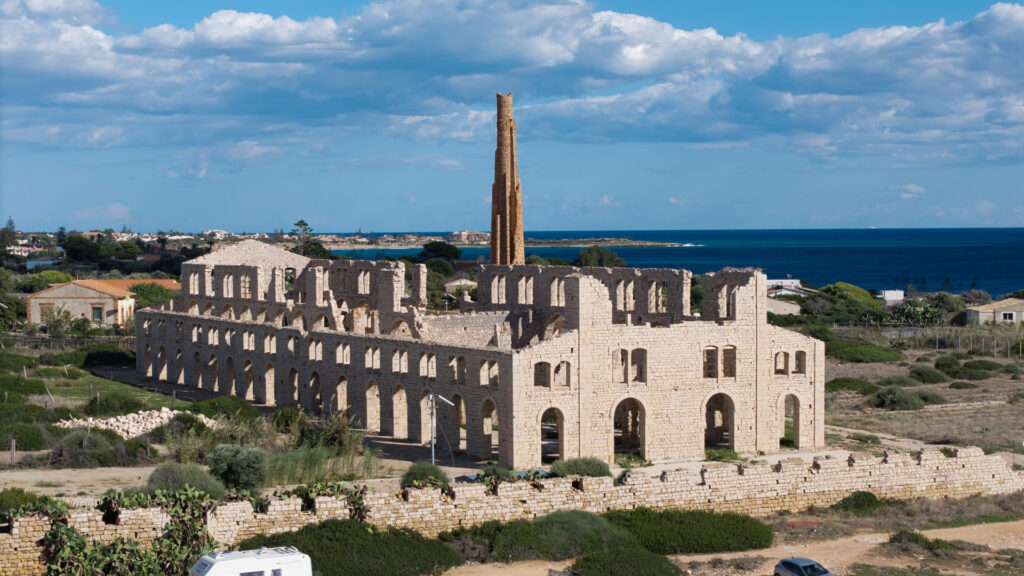
The Vigliena Tower, built in the 17th century, was part of the coastal defense system established by the Spanish viceroys to protect Sicily from corsair raids. Located on a promontory at Punta Braccetto, between Santa Croce Camerina and Scoglitti, the tower monitored a particularly exposed stretch of coastline. Constructed from local stone with a square plan and solid structure, it housed sentinels and firearms to defend the shore. Although now partially damaged, it remains an important example of coastal military architecture from the period. Set in a scenic landscape between sea and unspoiled nature, the Vigliena Tower stands as a historical symbol and a point of interest for visitors to the area.

Via Francesco Mormina Penna

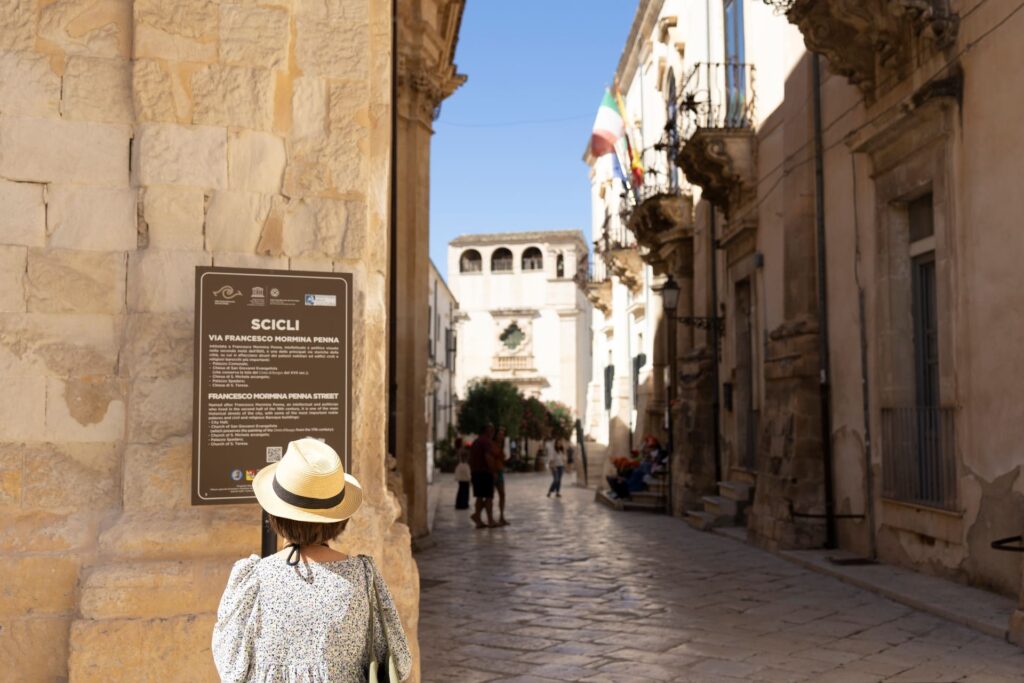
Via Francesco Mormina Penna is one of the main arteries of Scicli’s historic center and has been declared a UNESCO World Heritage Site as part of the “Late Baroque Towns of the Val di Noto.” The street gently descends from Piazza Municipio and features a sequence of buildings ranging from the 17th to the 20th century. Key landmarks along the way include the Church of San Giovanni Evangelista, the Church of Santa Teresa d’Avila, the Church of San Michele Arcangelo, and the Town Hall, built between 1902 and 1906 in an eclectic Neo-Renaissance style. The street is known for its harmonious blend of architectural styles, with façades in local limestone and Baroque decorations. It is a lively and well-frequented place, hosting cultural events and religious celebrations. The street also serves as a filming location for the famous TV series Inspector Montalbano, standing in as the police station of the fictional town of Vigata.