Palace Grimaldi

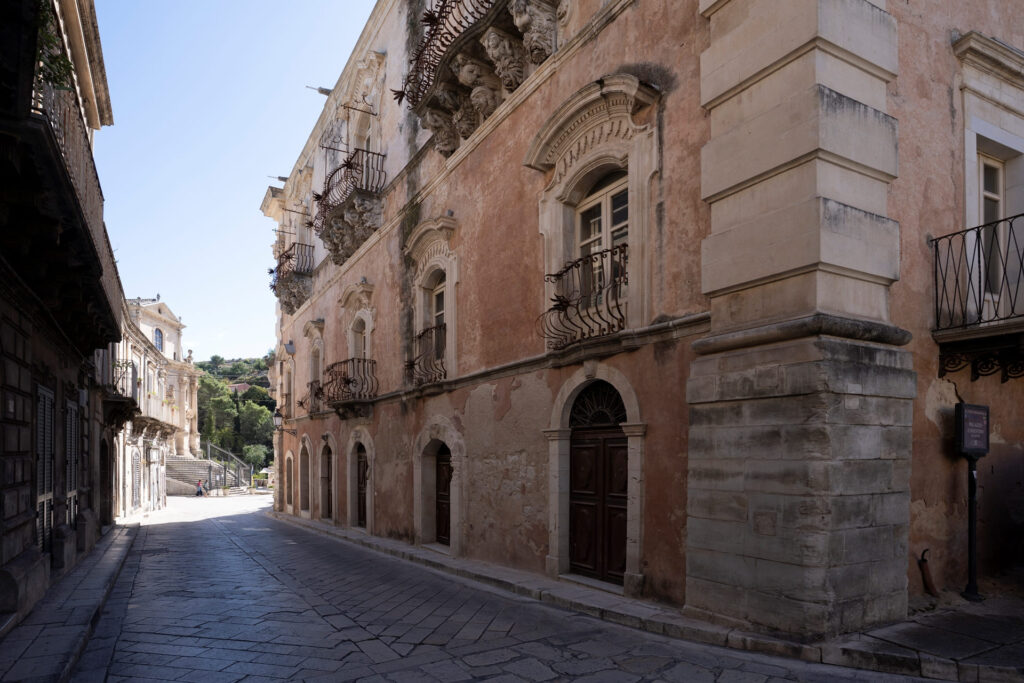
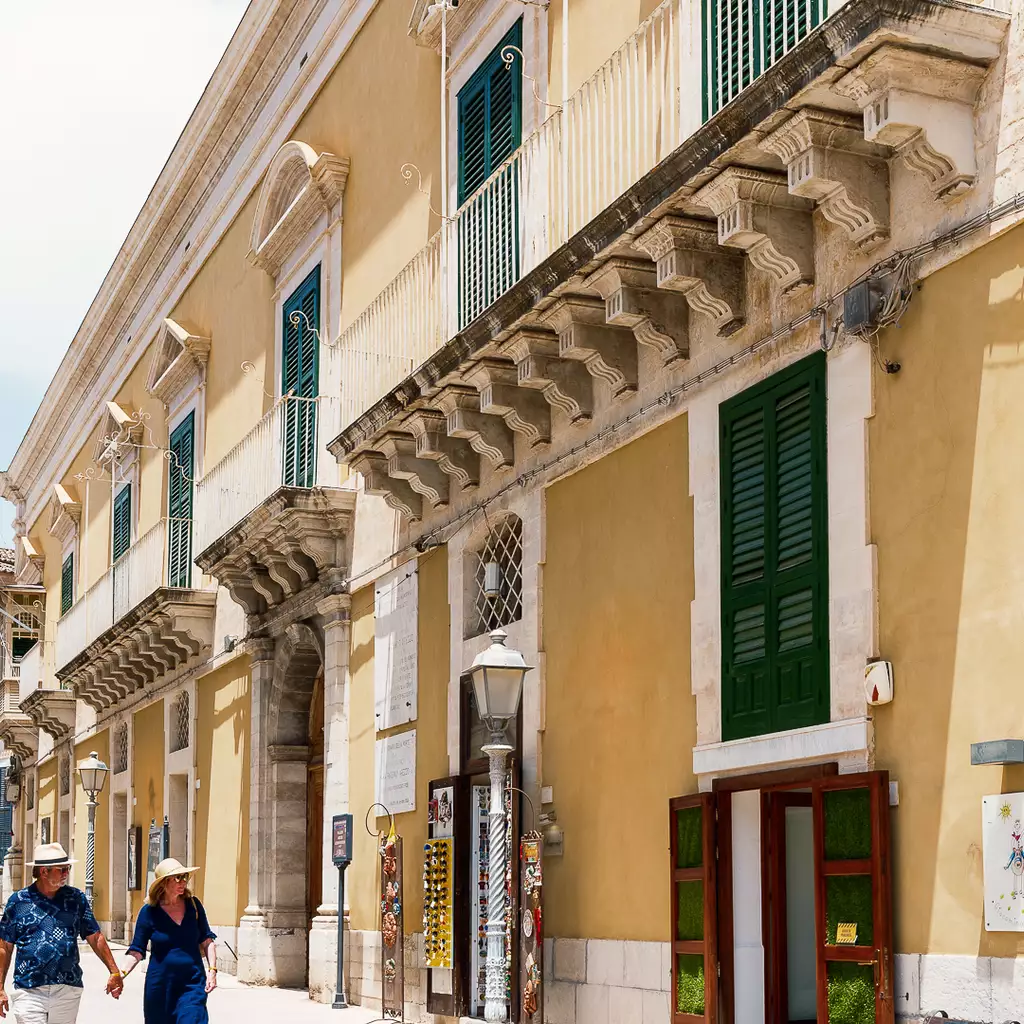
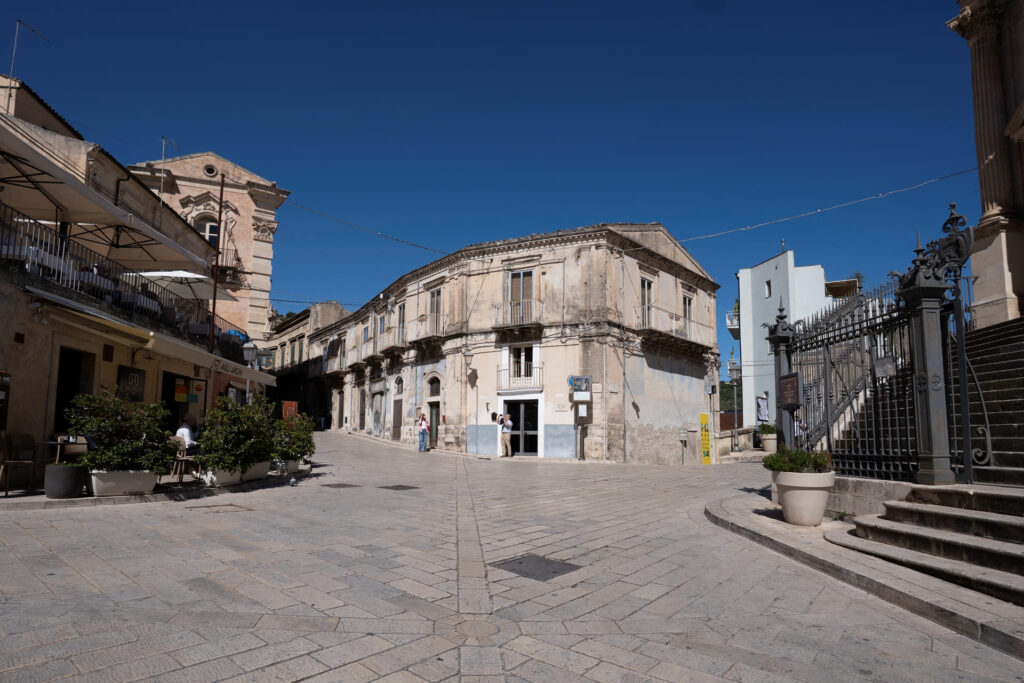
The Palazzo Grimaldi, located along the prestigious Corso Umberto I in Modica, is a splendid example of 18th-century civil Baroque architecture, reflecting the taste and high status of Modica’s nobility. The façade is distinguished by elaborate carved stone decorations and wrought-iron balconies, skilfully crafted and enriched with ornamental motifs typical of the period. The monumental, wide and scenic entrance leads to refined interiors, characterised by frescoes, fine stucco work and carefully decorated ceilings, which testify to the elegance and wealth of the original owners, the Grimaldi family. The interior also features an inner courtyard and grand staircases, which contribute to an atmosphere of nobility and prestige. Today the palace is used as a private residence or for cultural events, keeping alive the link with Modica’s aristocratic and artistic history, and is an important testimony to the city’s Baroque civil heritage.

The Church of San Giorgio Vecchio

The Church of San Giorgio Vecchio stood at the eastern end of Ragusa Ibla and is one of the oldest religious buildings in the city. Largely destroyed by the 1693 earthquake, today mainly the 15th-century portal, the only surviving element, and some of the walls of the side chapels and the presbytery remain visible. The site, located near the suggestive Hyblean Garden, has undergone major consolidation and archaeological excavations that have brought to light the original layout and foundations of the church. Today, the area can be freely visited, enriched by explanatory panels that guide visitors to discover the history and medieval architecture of Ragusa and its territory. The pedestrian path around the site offers a fascinating insight into the thousand-year history of the city, enhancing this important cultural and religious heritage. The Church of San Giorgio Vecchio thus represents a symbol of the historical continuity and collective memory of the Ragusa community.

Palace Napolino-Tommasi Rosso

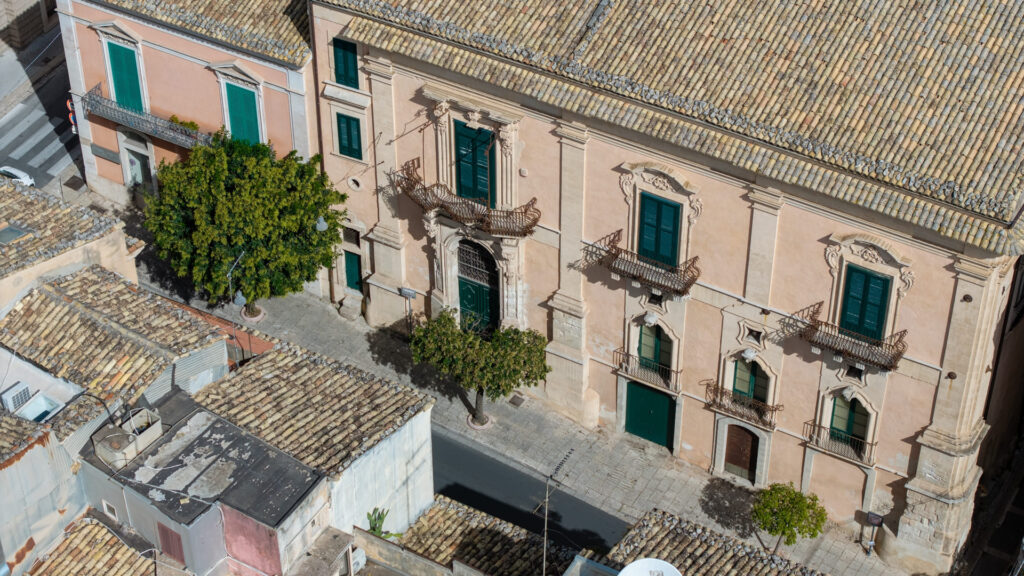
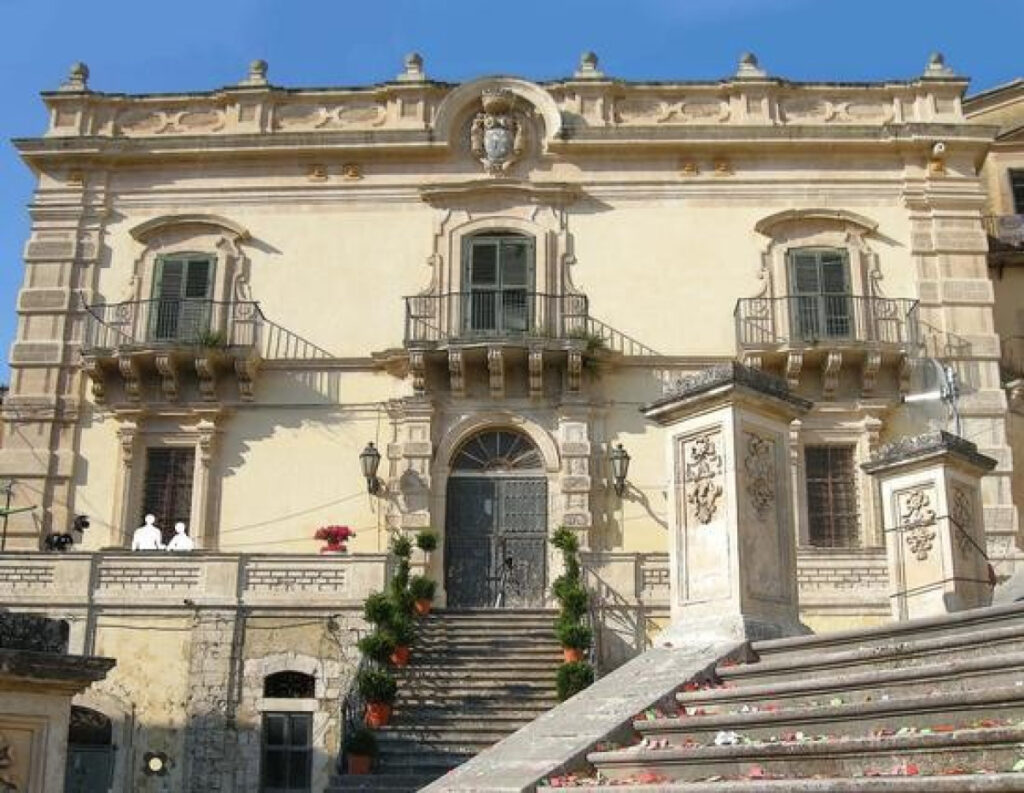
The Palace Napolino-Tommasi Rosso, located on Corso Francesco Crispi in the historic centre of Modica, is a fine example of 18th-century civil Baroque architecture that testifies to the prestige and elegance of the local noble families. The local stone façade is characterised by finely worked wrought iron balconies and a carefully sculpted entrance portal, elements that give the building a harmonious and refined appearance. Inside, when accessible, the rooms are distinguished by their frescoed ceilings and stucco decorations, skilfully crafted and capable of conveying the cultural and artistic richness of an era. The palace thus represents a precious testimony to Modica’s historical and artistic heritage, remaining one of the most important buildings in the city’s 18th-century urban fabric, helping to preserve Modica’s identity and historical memory.

The Latomie of Ragusa

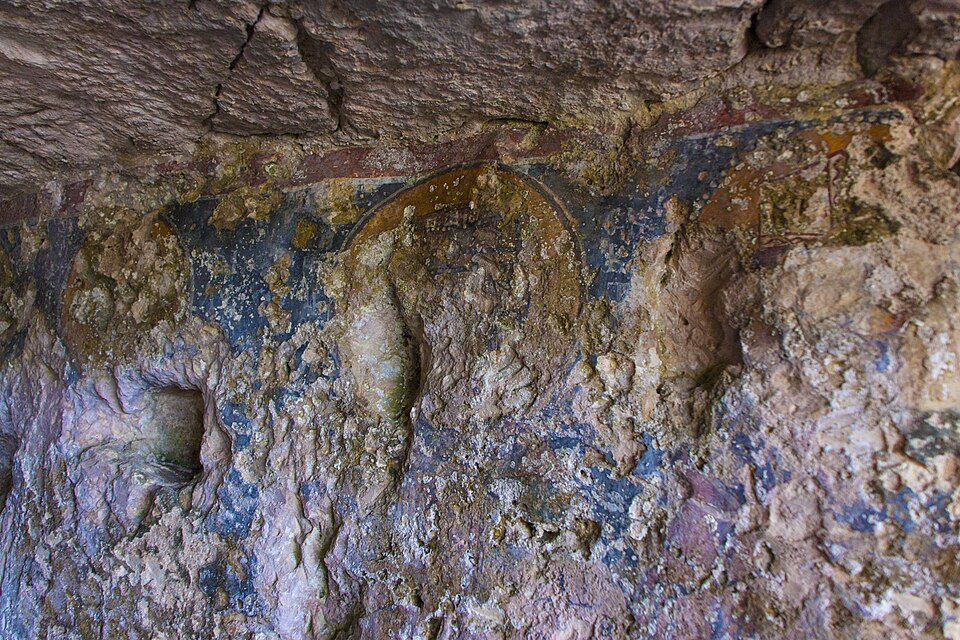
The Latomie of Ragusa are ancient limestone quarries, precious witnesses to the mining activity that took place after the 1693 earthquake. Located on the outskirts of the city, these rock-cut cavities have provided the fundamental material for the construction of the historical monuments, Baroque churches and traditional buildings that characterise the architectural landscape of the Hyblean territory. The latomie are distinguished by their vast underground tunnels and vertical walls, which reveal the skill and mastery of the ancient stonemasons in modelling the stone. In addition to their archaeological and historical value, they represent an important natural and cultural heritage, immersed in an environment of great charm. Today, the latomie are a site of tourist interest enhanced by guided tours detailing the history, the stone extraction techniques and the fundamental role these quarries have played in shaping local identity.

The Castle of the Counts of Modica

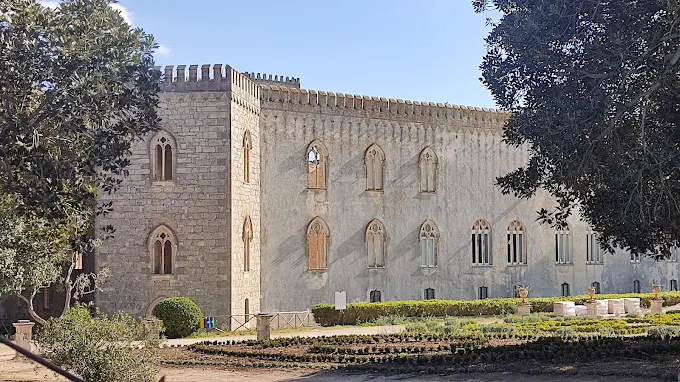
The Castle of the Counts of Modica is one of the city’s symbolic monuments and represents an important historical and architectural testimony. It stands in a dominant position on a rocky spur, whose sheer walls give the building a majestic and imposing appearance. The origins of the castle date back to medieval times, but the current structure is the result of later reconstructions, particularly after the devastating earthquake of 1693. For centuries, from the 14th to the 19th century, it was the seat of power of the County of Modica, one of the most important and influential fiefdoms of the Kingdom of Sicily. Of the ancient fortified structure, a 14th-century polygonal tower remains visible, as well as bastions, underground chambers and underground passages that add to its charm. From its summit there is a splendid view of Modica Alta and Bassa, among the most beautiful in the area. Today, thanks to recent restoration work, the castle can be visited and is part of the Val di Noto UNESCO heritage site.

The Quarry Gonfalone

The Quarry Gonfalone is an ancient limestone quarry located in the Ragusa area that has played a fundamental role in the area’s building history, providing the material for the construction of local historic buildings, particularly in the charming historic centre of Ragusa Ibla. The site is distinguished by its imposing rock walls and large natural openings, immersed in the typical Mediterranean maquis vegetation that characterises the Hyblean landscape. Today, Cava Gonfalone is an important site of archaeological and natural interest, a favourite destination for hikers, scholars and history and geology enthusiasts who appreciate its cultural and environmental value. This site is a true heritage of the province of Ragusa, a symbol of human ingenuity and local building tradition, capable of telling the story of the city through stone and nature.

The Portal of San Giorgio

The Portal of San Giorgio in Ragusa Ibla is a fine example of Sicilian Baroque architecture dating from around 1349, although it reflects later interventions that enriched its decoration. Carved in stone with masterly craftsmanship, the portal is distinguished by its rich floral decorations, symbolic motifs and refined details, testifying to the high artistic level typical of Sicilian Baroque. Located in the heart of Ragusa’s historic centre, now a UNESCO World Heritage Site, this monumental entrance was part of an important building and represents an important historical, architectural and cultural landmark for the city. Today, the portal attracts tourists, scholars and art lovers, fascinated by its beauty and the cultural significance it embodies, a symbol of the rich Baroque tradition of the Iblei.

Conversation Club

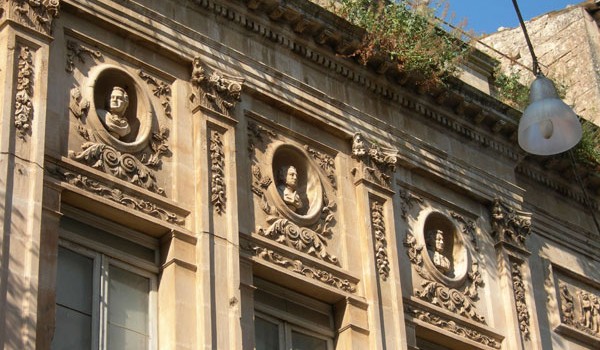
The Ragusa Ibla Conversation Club is a fine example of neoclassical architecture, founded in 1830 at the behest of the local aristocracy. Located in Piazza Duomo, the building is distinguished by its elegant façade, characterised by Doric pilasters and bas-reliefs depicting mythological figures. Inside, the sumptuous ballroom features a ceiling frescoed by Tino Del Campo, with allegories of the arts and sciences and medallions depicting Dante, Michelangelo, Galileo and Vincenzo Bellini. The rooms, furnished with original furniture, preserve the atmosphere of the time, offering a glimpse of the social life of the 19th-century Sicilian aristocracy. Today, the Circolo is a private cultural centre, open to the public only through guided tours, which allow visitors to discover its history and artistic heritage.

The Palace of Cancelleria

The Palazzo della Cancelleria, located along the charming Salita Commendatore in Ragusa Ibla, was erected in the 18th century to house the city’s administrative and judicial offices. Characterised by an elegant Sicilian Baroque style, the palace is distinguished by a sober but refined façade, enriched by a rusticated portal and a central balcony that emphasise its nobility and institutional function. After the devastating earthquake of 1693, the Palazzo della Cancelleria became one of the symbols of Ragusa’s civil rebirth, embodying secular power and the community’s desire for reconstruction. Over the centuries, it has maintained a central role in the city’s administration and today still houses municipal offices. In addition, it is sometimes used as a venue for temporary cultural exhibitions, thus reinforcing its connection to the social and cultural life of the city. It is one of the key monuments for understanding Ragusa’s institutional and architectural history.

The Palace Vescovile Schininà di Sant’Elia

The Palace Vescovile Schininà di Sant’Elia, located on Via Roma in the heart of Ragusa, was built in the late 18th century as the elegant residence of the noble Schininà family. The façade is sober and austere, enriched by finely carved balconies and cornices in local stone, emphasising its stately character. Inside are refined rooms with frescoed ceilings, original decorations and period furnishings that tell the aristocratic history of the city. After World War II, the building was used as the seat of the Bishop’s Curia, becoming the official residence of the Bishop of Ragusa. This transition from private residence to ecclesiastical centre made the palace an important symbol of the city’s cultural and social transformation. Today, Palazzo Schininà continues to be an important reference point for Ragusa’s religious and cultural life, hosting events and official functions.