The Basilica of the Most Holy Annunciation

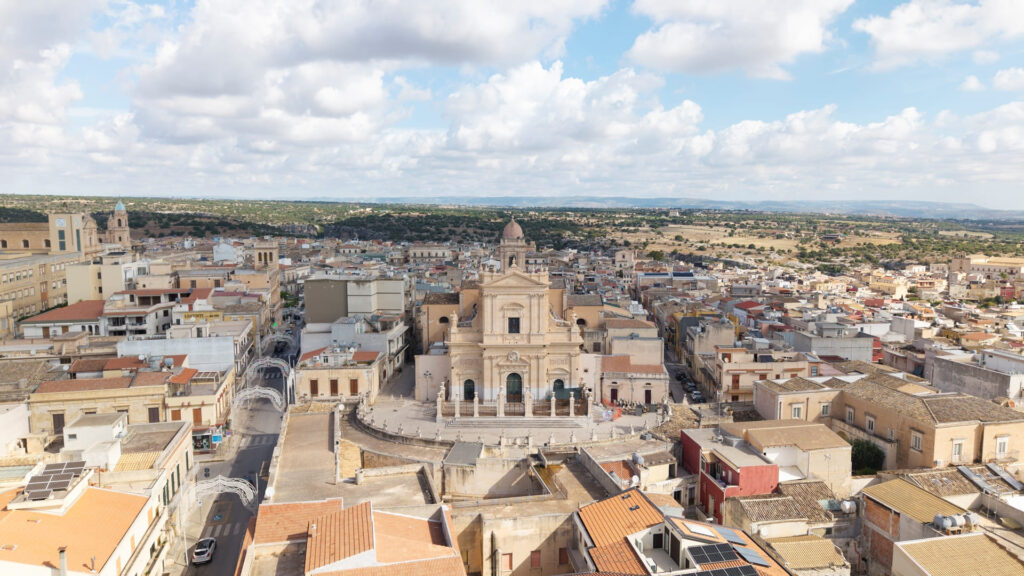
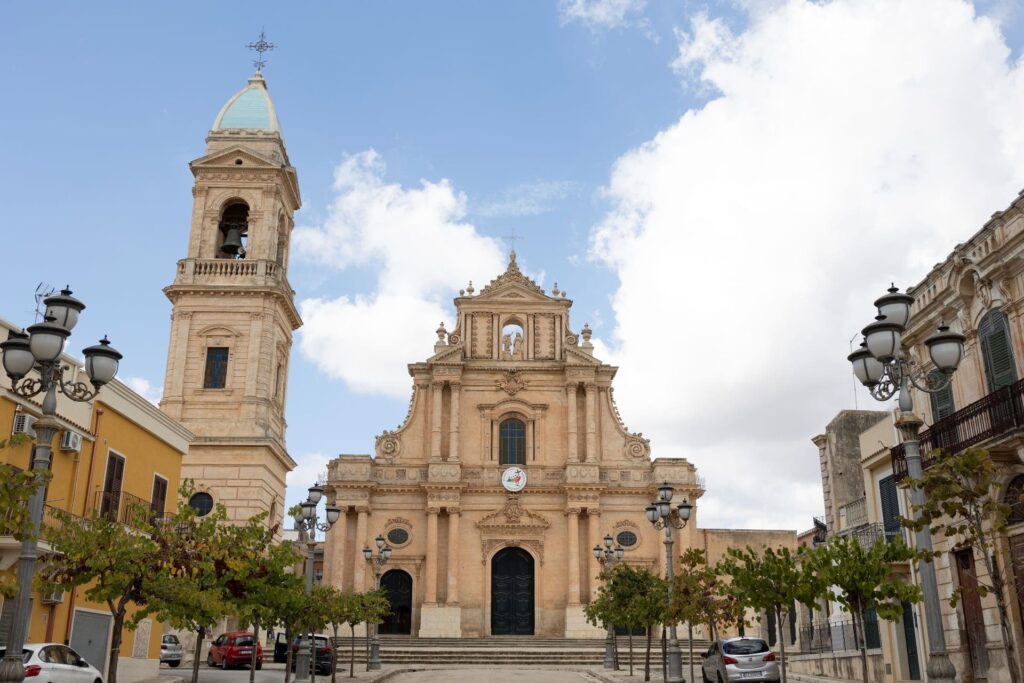
The Basilica of the Most Holy Annunciation stands in Ispica’s Piazza Santissima Annunziata and is one of the city’s most significant religious buildings. Constructed between 1703 and 1720 following the devastating earthquake of 1693, the basilica features a three-tiered Baroque façade, crowned by a statue of the Annunciation in the third level. The interior, with its three naves, is enriched with stuccoes attributed to Giuseppe Gianforma, depicting biblical scenes. The church houses sacred artworks, including the Christ with the Cross, a stucco and papier-mâché statue dating back to the early 1700s, which is carried in procession every Good Friday. The 18th-century bell tower and loggia complete the architectural complex. The basilica is a center for religious celebrations and cultural events, and serves as an important point of reference for the community of Ispica.
Church of Sant’Antonio Abate

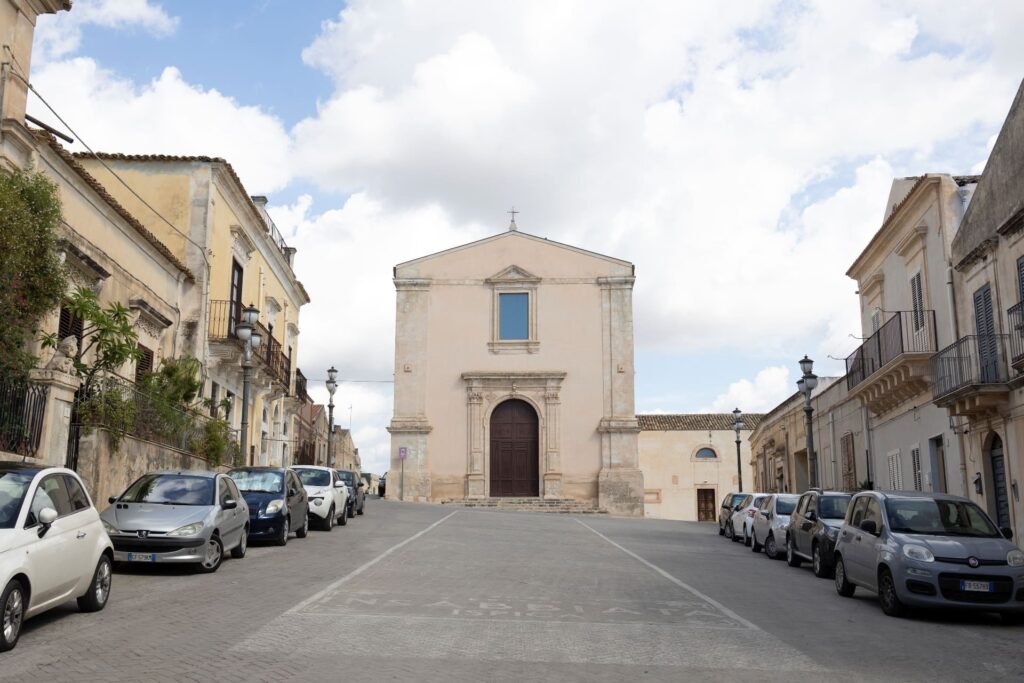
The Church of Saint Anthony the Abbot, located in the square of the same name in the historic center of Ispica, was built after the devastating earthquake of 1693, which destroyed much of the ancient city. It stands as an important example of late 17th-century Sicilian Baroque religious architecture. The simple and essential façade is enhanced by an elegant portal made of local stone and a bell tower that rises above the surrounding neighborhood. The single-nave interior is adorned with decorative stuccoes, side altars, wooden statues, and sacred paintings, including works dedicated to the patron saint. Saint Anthony the Abbot, protector of animals and farmland, is deeply venerated by the local population, especially during his feast day, which involves the entire community in religious rituals, blessings, and ancient traditions. Well preserved and still regularly officiated, the church remains a spiritual and cultural landmark for the people of Ispica, bearing witness to the city’s faith and history.

Church and Convent of Santa Maria di Gesù

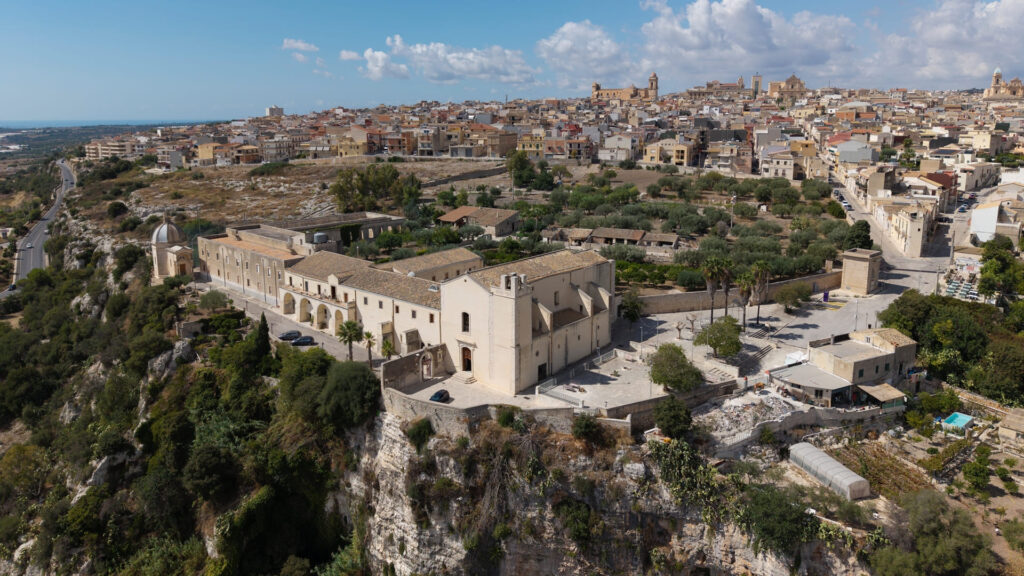
The Church and Convent of Santa Maria di Gesù, located on Via Roma in Ispica, were built around 1515 and represent one of the oldest religious sites in the city. The architectural complex combines elements of Sicilian Renaissance with late Gothic influences, visible in the pointed arch windows and the portal, alongside later Baroque additions following the 1693 earthquake restorations. The convent, historically home to the Observant Friars Minor, includes spacious cloisters, monastic cells, and areas for prayer and communal life. The church interior is richly adorned with frescoes, marble altars, and sacred statues, some attributed to renowned workshops of the time. This place maintains a strong bond with popular devotion and remains active in the spiritual and cultural life of the city, hosting religious celebrations, gatherings, and events that preserve its artistic and historical significance.

Basilica of Santa Maria Maggiore and the Sinatra Loggia

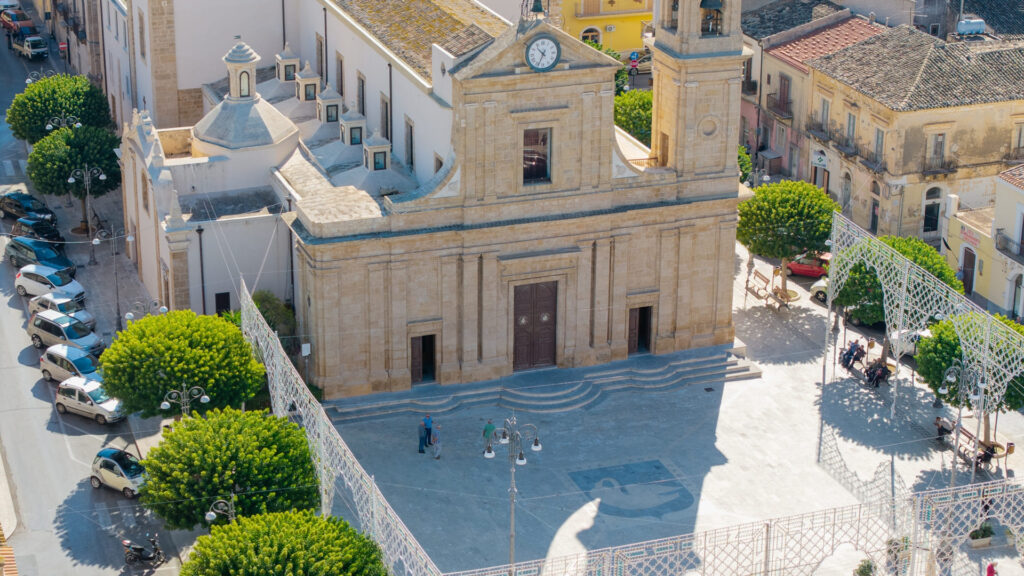
The Basilica of Santa Maria Maggiore in Ispica is one of the most significant examples of 18th-century Baroque architecture in Sicily. Located in the heart of the city, it was designed by Vincenzo Sinatra and stands out for its elegant façade in local stone, harmoniously divided into three tiers, and for the bell tower rising with sober grandeur. The single-nave interior is enriched with fine frescoes by Olivio Sozzi, marble altars, and important sacred artworks, among which the statue of the Immaculate Conception stands out. Adjacent to the church lies the famous Loggiato del Sinatra, a monumental colonnade that blends aesthetic and social functions, often used as a setting for cultural events, exhibitions, and celebrations. The complex has been declared a national monument and represents a cornerstone of local spirituality and culture. The basilica, together with the colonnade, is an essential stop for those wishing to explore Ispica’s artistic and religious history.

Square dell’Unità d’Italia and the Church of San Bartolomeo

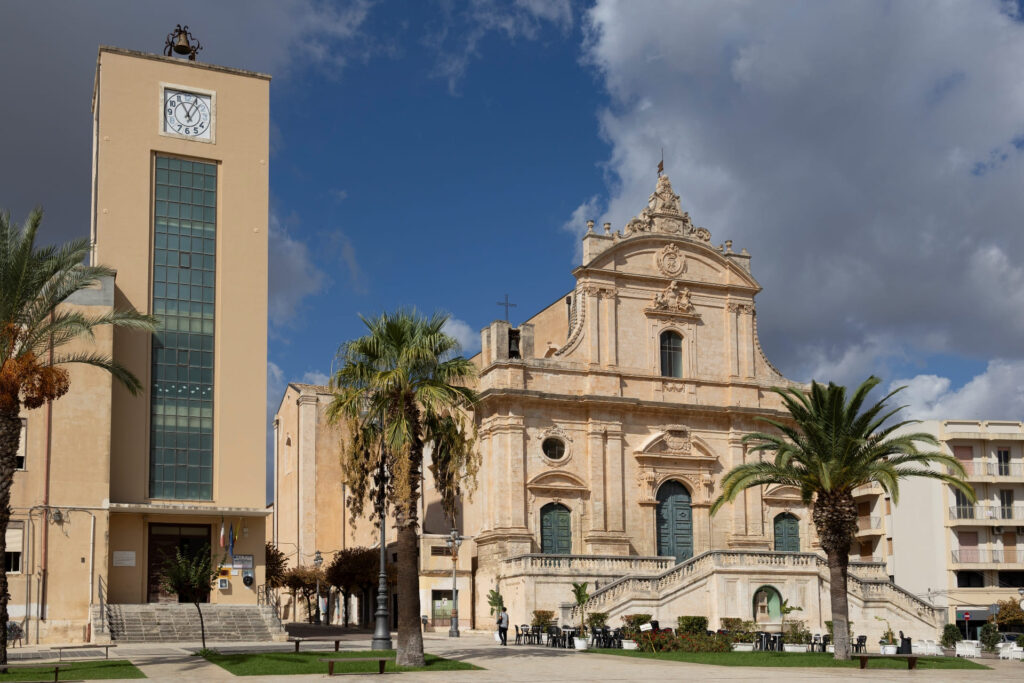
Square dell’Unità d’Italia is the beating heart of Ispica’s historic center, as well as the hub of the city’s social, religious, and cultural life. At the center of the square stands the Church of San Bartolomeo, dedicated to the patron saint, an imposing example of Sicilian Baroque architecture. Built in the 18th century, the church is distinguished by its majestic three-tiered façade, richly decorated with local stone, and its sumptuous interior, enriched with stucco, marble altars, and significant works of sacred art. The building houses the statue of the saint, the centerpiece of the solemn Feast of San Bartolomeo, which annually involves the entire community in a vibrant procession, religious, and civic events. The square is also a daily gathering place, hosting public events and markets. Constant attention to conservation, through restoration and enhancement projects, makes this space an emblem of Ispica’s historical and cultural identity.

The Mother Church of San Giovanni Battista

The Mother Church of San Giovanni Battista, overlooking Piazza Vittorio Emanuele II, is the religious and monumental heart of Santa Croce Camerina. Built in the early 1600s on a medieval structure, it was extensively renovated between 1797 and 1885 based on designs by architect Teodoro Gigante, with master builders Giuseppe Mazzarella, Giovanni Vaccaro, and Dionisio Bocchieri. The building, 45 meters long, features a Latin cross plan with three naves, a central dome, transept, and side chapels. Inside are valuable artistic works: a copy of Martin Faber’s Madonna of Loreto, a wooden statue of Saint Joseph, the city’s patron saint, and the funerary monument commissioned by the Celestri family in 1604. The frescoes of the four Evangelists in the dome, painted in 1986 by local artist Giovanni Aquila, further enrich the sacred space. Today, the church is the center of major religious celebrations, including the Feast of Saint Joseph, maintaining strong ties with the local community.

Church of San Michele Arcangelo

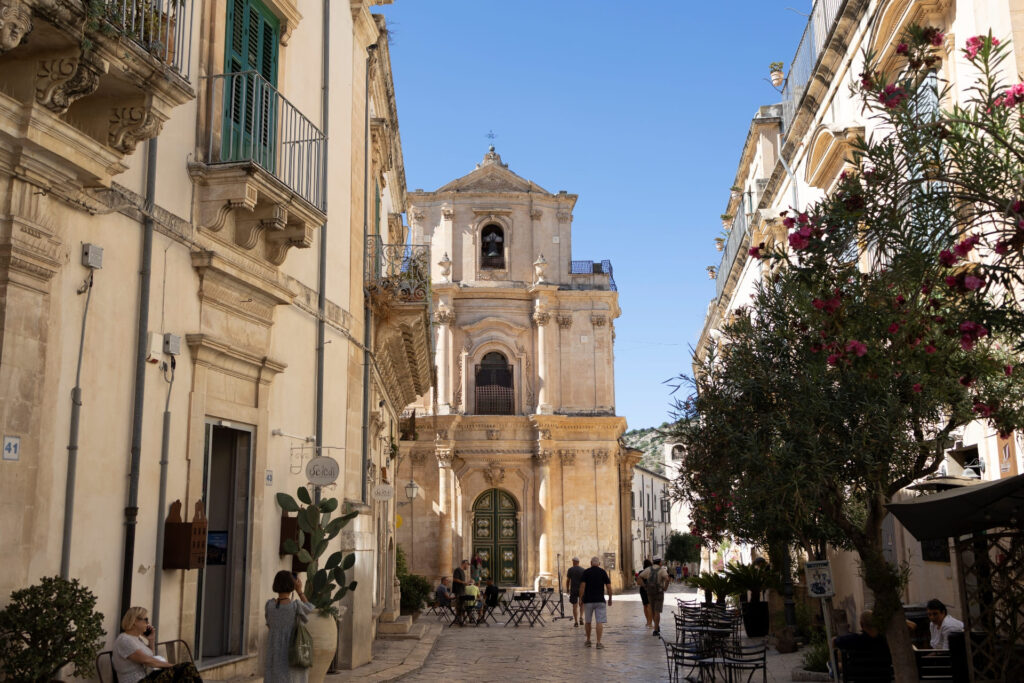
The Church of Saint Michael the Archangel is located in the heart of Scicli’s historic center, along the charming Via Francesco Mormina Penna, recognized as a UNESCO World Heritage Site for its exceptional artistic and cultural value. Completely rebuilt after the devastating 1693 earthquake that struck the Val di Noto, construction began in the 18th century and was completed around 1750. The building features a simple and harmonious façade made of local stone, blending perfectly with the surrounding architectural context. The interior, with a single nave, is free from excessive ornamentation, yet preserves a strong sense of spirituality and contemplation. The church is dedicated to Saint Michael the Archangel, a symbolic figure of protection and justice, and is considered a significant example of Baroque religious architecture, reflecting the faith and history of Scicli.

Church of Santa Maria La Nova

The Church of Santa Maria La Nova, located in the historic center of Scicli, has ancient origins, with documented references dating back to the 14th century. The building suffered severe damage during the 1693 earthquake that struck the entire Hyblean region, making a long and complex reconstruction necessary. Work began in the second half of the 18th century and was completed only in 1857, when the church was reopened for worship. The current façade, in neoclassical style, is the result of 19th-century interventions that gave it its sober and elegant appearance. Inside, the Latin cross layout unfolds into three naves, richly decorated with refined stuccoes and housing sacred artworks of great value. On the main altar stands the statue of Our Lady of the Snow, a particularly venerated figure by the local community. The church remains an important religious and cultural landmark for the city of Scicli.

Church of San Matteo

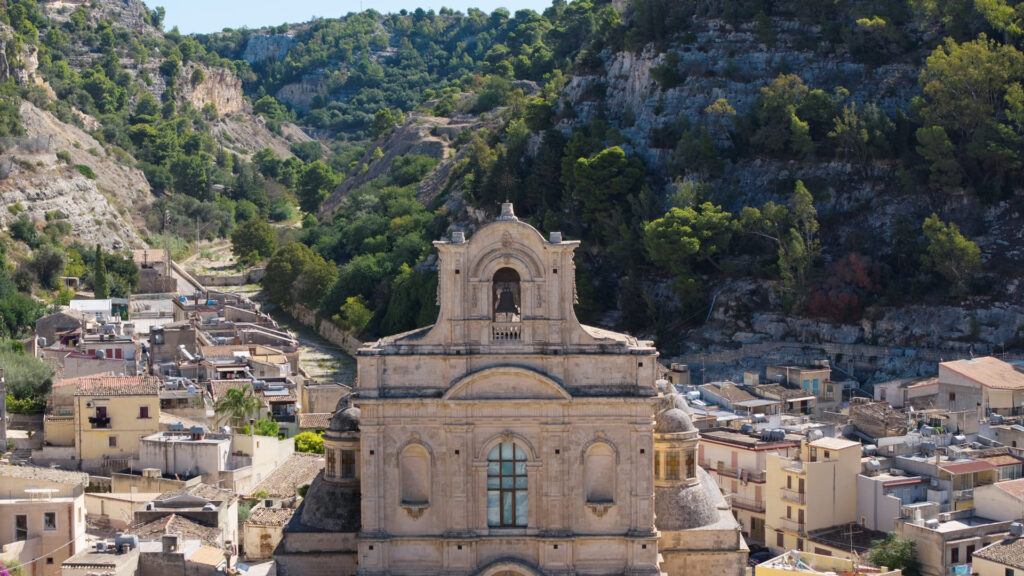
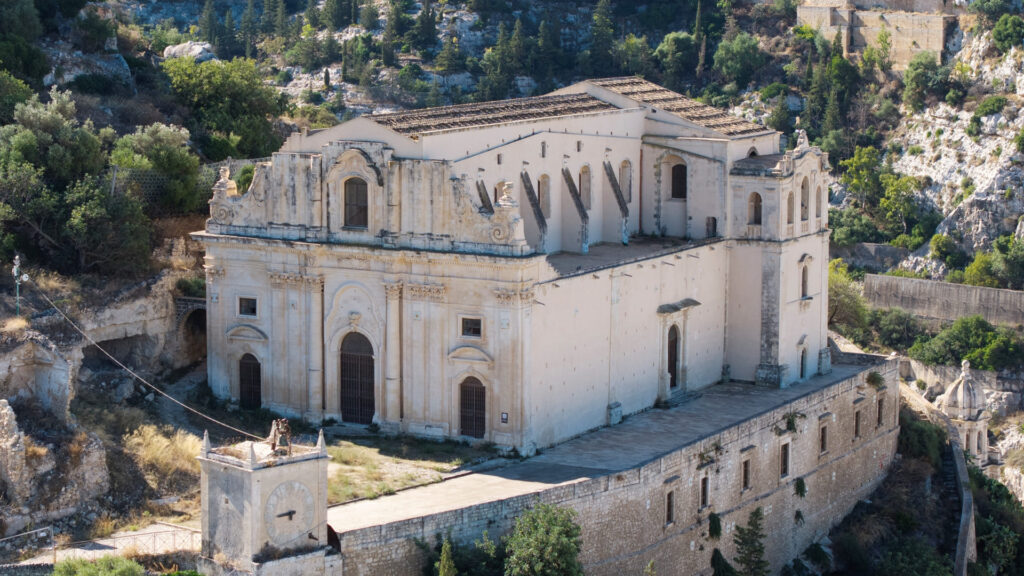
A historical and cultural symbol of Scicli, the Church of San Matteo stands atop the hill of the same name, offering a breathtaking panoramic view of the city and the surrounding landscape. Its origins date back to the 11th century, making it one of the oldest and most important churches in the area. After suffering severe damage in the 1693 earthquake, the church was rebuilt in Baroque style, although the façade was never completed, giving the structure a unique and distinctive appearance. For many centuries, it served as the mother church of Scicli, a spiritual center and reference point for the community, until it was replaced in the 19th century by the larger and more modern Church of Santa Maria La Nova. Although now closed for worship, with bare yet historically rich interiors, the Church of San Matteo remains an important symbol of the city’s historical identity and a scenic viewpoint cherished by both visitors and locals.

Church and Convent of Santa Maria della Croce

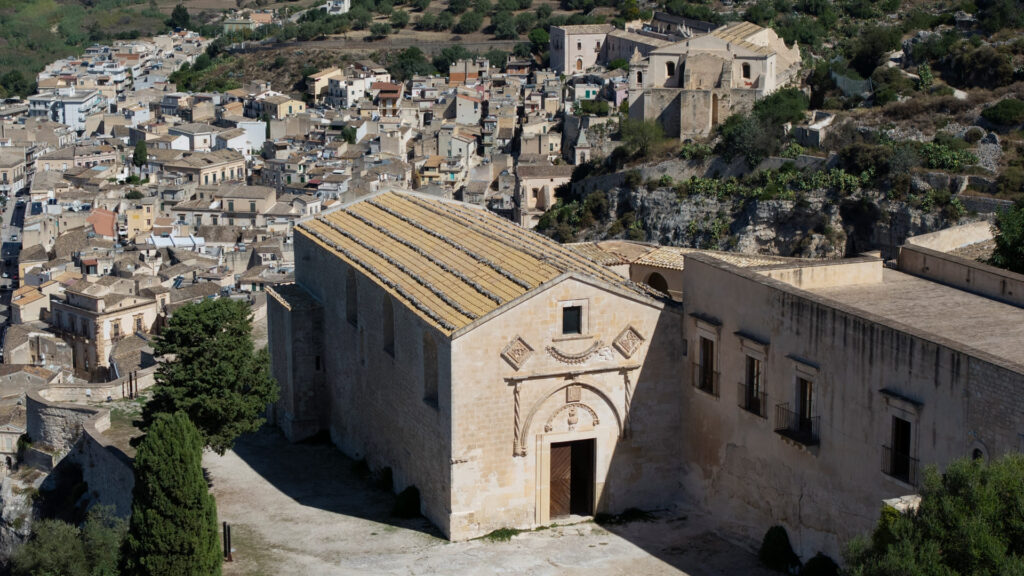
The Church and Convent of Santa Maria della Croce stand atop the hill of the same name—known as the “Hill of the Cross”—in the heart of Scicli’s historic center. The complex likely dates back to the late 15th or early 16th century, as suggested by the inscription “1528” found on a decorative element on the side. Over the centuries, the site has undergone several transformations that shaped its Renaissance and Baroque appearance, especially following the damage caused by the 1693 earthquake. The complex includes a single-nave church and a convent featuring a distinctive inner cloister, historically associated with the religious order of the Crociferi. The richly decorated interiors contain frescoes, stuccoes, and sacred artworks of great artistic and spiritual value, making this site a significant religious, cultural, and historical landmark for the city of Scicli and its people.