Duomo di San Pietro

Il Duomo di San Pietro, situato lungo il centralissimo Corso Umberto I a Modica Bassa, è uno degli edifici religiosi più importanti e rappresentativi della città, nonché un magnifico esempio di arte barocca siciliana. L’attuale struttura è frutto della ricostruzione avvenuta nel XVIII secolo, in seguito al devastante terremoto del 1693 che colpì l’intero Val di Noto. La sua elegante facciata in pietra calcarea locale è arricchita da colonne tortili, nicchie con statue barocche e un’imponente scalinata adornata da dodici statue raffiguranti gli Apostoli, che conferiscono al complesso un aspetto scenografico e solenne. L’interno, suddiviso in tre navate, è decorato con raffinati stucchi, altari laterali artistici e un soffitto affrescato con motivi sacri. Di particolare pregio sono l’altare maggiore in marmo policromo e l’organo settecentesco, recentemente restaurato. Oggi il duomo è non solo luogo di culto attivo, ma anche centro culturale, testimone della fede e della storia millenaria di Modica.
Collegiata di Santa Maria di Betlem

La Collegiata di Santa Maria di Betlem è una delle chiese più antiche e significative di Modica, un autentico scrigno di storia, arte e fede che affonda le sue radici nel XIV secolo. Nel corso dei secoli ha subito numerosi interventi strutturali e stilistici, che ne hanno arricchito il profilo architettonico. L’attuale facciata si presenta divisa in due ordini distinti: il primo, in stile rinascimentale, risale alla fine del Cinquecento, mentre il secondo, di gusto neoclassico, fu realizzato tra il 1816 e il 1821, a seguito di lavori di ampliamento e consolidamento. L’interno, articolato in tre navate, conserva un elegante soffitto ligneo dipinto, un raffinato pulpito scolpito in pietra locale e un organo settecentesco perfettamente funzionante. Di grande importanza devozionale e artistica è la statua lignea della Madonna di Betlem, custodita in una cappella laterale e venerata dai fedeli modicani. La Collegiata rappresenta una delle massime espressioni della spiritualità e della tradizione religiosa della città.

Chiesa di San Giovanni Evangelista

La Chiesa di San Giovanni Evangelista, situata in Piazza San Giovanni a Modica Alta, è una delle più importanti testimonianze del barocco modicano post-terremoto. Ricostruita nel XVIII secolo su una precedente chiesa medievale, si distingue per la facciata articolata su tre ordini con nicchie e colonne, affiancata da una torre campanaria. L’accesso avviene tramite una scenografica scalinata che conduce anche a un ampio belvedere panoramico. L’interno, a navata unica, conserva un ricco patrimonio artistico: un altare maggiore in marmo, stucchi dorati, statue lignee e tele settecentesche. Il soffitto ligneo decorato completa l’atmosfera di solennità e raccoglimento. La chiesa è un simbolo della rinascita religiosa e artistica dopo il sisma del 1693 e un punto di riferimento spirituale per Modica Alta.

Chiesa di Santa Maria del Gesù

La Chiesa di Santa Maria del Gesù, situata a Modica Alta, fu edificata tra il 1478 e il 1481 come parte di un complesso francescano che include anche il convento, completato entro il 1520. È uno degli esempi più importanti e meglio conservati di architettura tardo gotica in Sicilia. La chiesa presenta un elegante portale gotico-catalano, un prezioso rosone traforato in pietra e affreschi cinquecenteschi che decorano le pareti interne. Il chiostro annesso, con il suo colonnato armonioso e il pozzo centrale, richiama l’antico spirito monastico e offre un luogo di calma e riflessione. Raro esempio di edificio sopravvissuto senza gravi danni al terremoto del 1693, dopo decenni di abbandono è stato sottoposto a un attento restauro. Oggi la chiesa ospita eventi culturali e visite guidate, affermandosi come uno dei luoghi di memoria storica e artistica più significativi di Modica.

Chiesa di San Nicolò Inferiore

La Chiesa rupestre di San Nicolò Inferiore, situata in Via Clemente Grimaldi nel cuore di Modica Bassa, rappresenta una delle testimonianze più antiche e preziose del culto cristiano nella città. Scavata direttamente nella roccia tra l’XI e il XII secolo, questa chiesa ipogea fu riscoperta casualmente nel 1987 durante lavori privati, riportando alla luce un ambiente sacro di grande valore storico e artistico. La pianta semplice, con altare rupestre e abside semicircolare, ospita affreschi di origine bizantina ben conservati, tra cui spicca la figura maestosa del Cristo Pantocratore, simbolo di potere e divinità. Oggi la chiesa è un sito museale accessibile ai visitatori accompagnati da guide esperte, che illustrano la sua importanza come raro esempio di arte sacra rupestre medievale in Sicilia. Questo luogo straordinario rappresenta un legame profondo con le radici religiose e culturali di Modica.

Church of Santa Maria La Nova

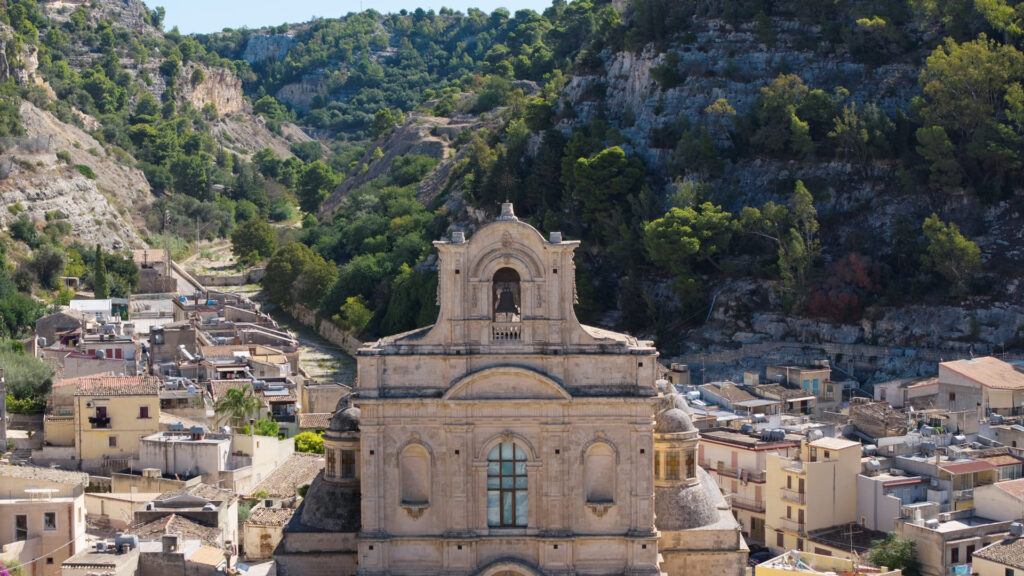
The Church of Santa Maria La Nova, located in the historic center of Scicli, has ancient origins, with documented references dating back to the 14th century. The building suffered severe damage during the 1693 earthquake that struck the entire Hyblean region, making a long and complex reconstruction necessary. Work began in the second half of the 18th century and was completed only in 1857, when the church was reopened for worship. The current façade, in neoclassical style, is the result of 19th-century interventions that gave it its sober and elegant appearance. Inside, the Latin cross layout unfolds into three naves, richly decorated with refined stuccoes and housing sacred artworks of great value. On the main altar stands the statue of Our Lady of the Snow, a particularly venerated figure by the local community. The church remains an important religious and cultural landmark for the city of Scicli.

Church of San Matteo

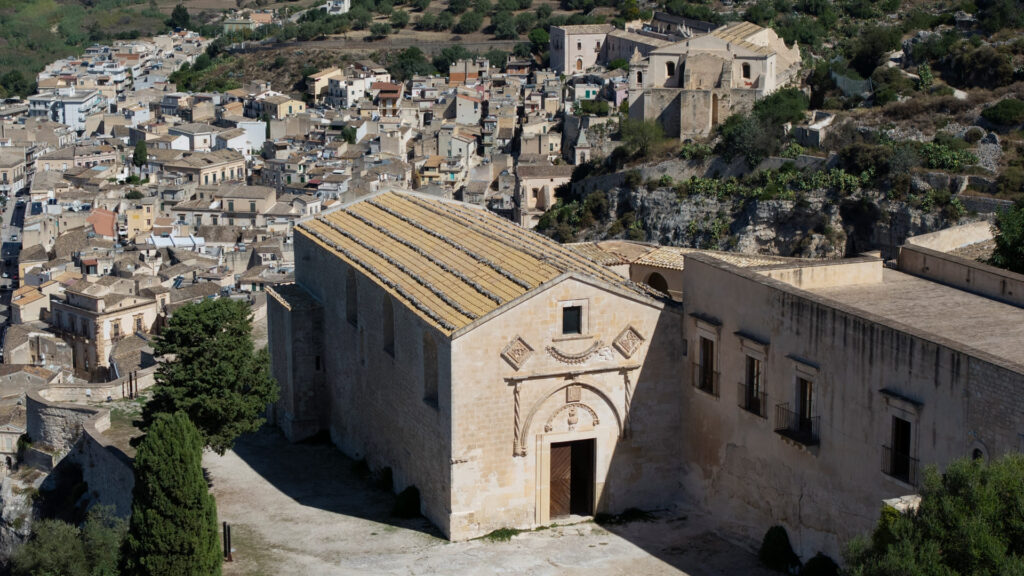
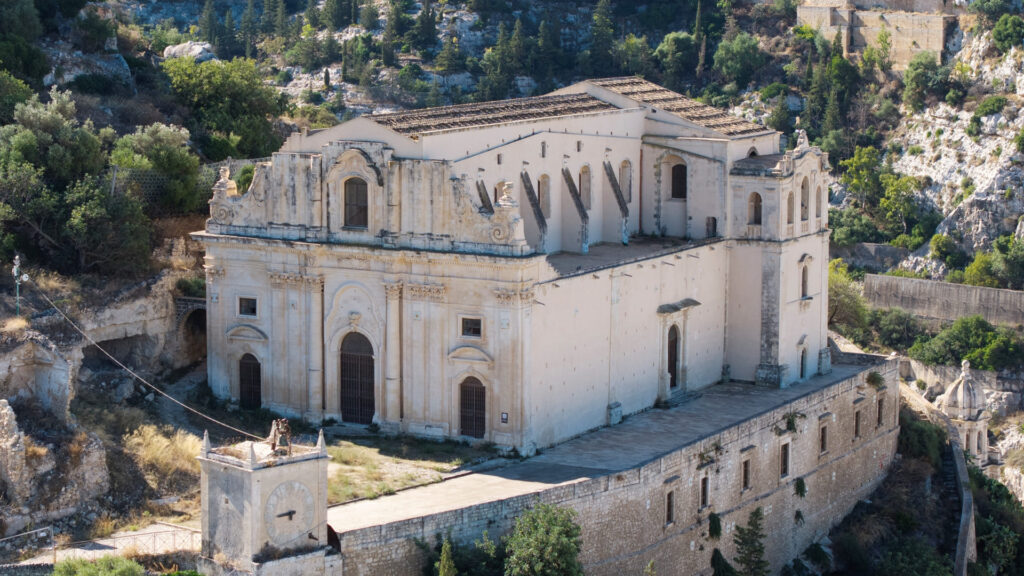
A historical and cultural symbol of Scicli, the Church of San Matteo stands atop the hill of the same name, offering a breathtaking panoramic view of the city and the surrounding landscape. Its origins date back to the 11th century, making it one of the oldest and most important churches in the area. After suffering severe damage in the 1693 earthquake, the church was rebuilt in Baroque style, although the façade was never completed, giving the structure a unique and distinctive appearance. For many centuries, it served as the mother church of Scicli, a spiritual center and reference point for the community, until it was replaced in the 19th century by the larger and more modern Church of Santa Maria La Nova. Although now closed for worship, with bare yet historically rich interiors, the Church of San Matteo remains an important symbol of the city’s historical identity and a scenic viewpoint cherished by both visitors and locals.

Church and Convent of Santa Maria della Croce

The Church and Convent of Santa Maria della Croce stand atop the hill of the same name—known as the “Hill of the Cross”—in the heart of Scicli’s historic center. The complex likely dates back to the late 15th or early 16th century, as suggested by the inscription “1528” found on a decorative element on the side. Over the centuries, the site has undergone several transformations that shaped its Renaissance and Baroque appearance, especially following the damage caused by the 1693 earthquake. The complex includes a single-nave church and a convent featuring a distinctive inner cloister, historically associated with the religious order of the Crociferi. The richly decorated interiors contain frescoes, stuccoes, and sacred artworks of great artistic and spiritual value, making this site a significant religious, cultural, and historical landmark for the city of Scicli and its people.

Busacca Square

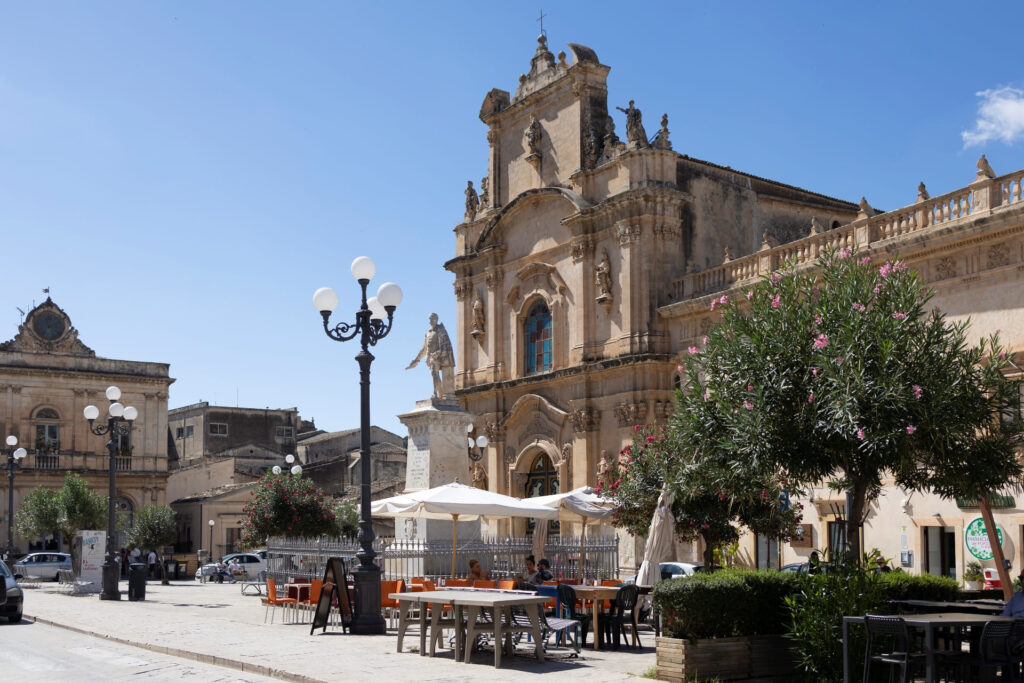
Busacca Square, located in the heart of Scicli, is one of the city’s most significant urban spaces, a crossroads of history, art, and everyday life. The square took on its current urban layout at the end of the 19th century, when in 1884 the monument to Pietro Di Lorenzo Busacca, a wealthy benefactor from Scicli, was placed there. Historic buildings surround the square, including the Church of the Carmine, built after the 1693 earthquake. The ogival portal and Gothic rose window are among the original elements that survived the quake, bearing witness to medieval architecture. The adjacent former Carmelite convent, now home to the municipal library, further enhances the cultural value of the site. Today, Piazza Busacca is a vibrant and lively space, hosting both civic and religious events, and remains a key meeting point for locals and tourists wishing to immerse themselves in the historical and social identity of the city.

Church of San Giuseppe

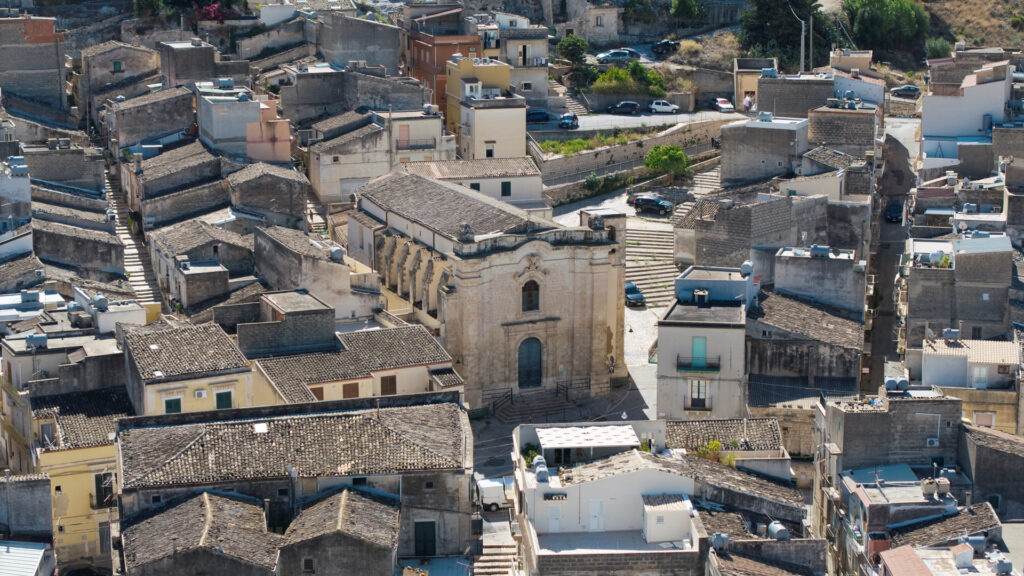
Founded around 1500 by Giannantonio Miccichè in the district then known as Pendino, now called San Giuseppe, the church was elevated to the rank of grange of the Mother Church in 1598 by will of Bishop Don Giovanni Orosco. The 1693 earthquake caused serious damage to the building, which was, however, quickly rebuilt following sober and essential architectural lines. This gives the church a restrained yet elegant grandeur, still clearly visible today. The single-nave structure is an example of balanced Baroque, harmoniously integrated into the urban fabric of Scicli. The church remains an important spiritual landmark for the San Giuseppe district community and stands as a valuable testament to post-earthquake architecture and the resilience of the city.