Cava Gonfalone

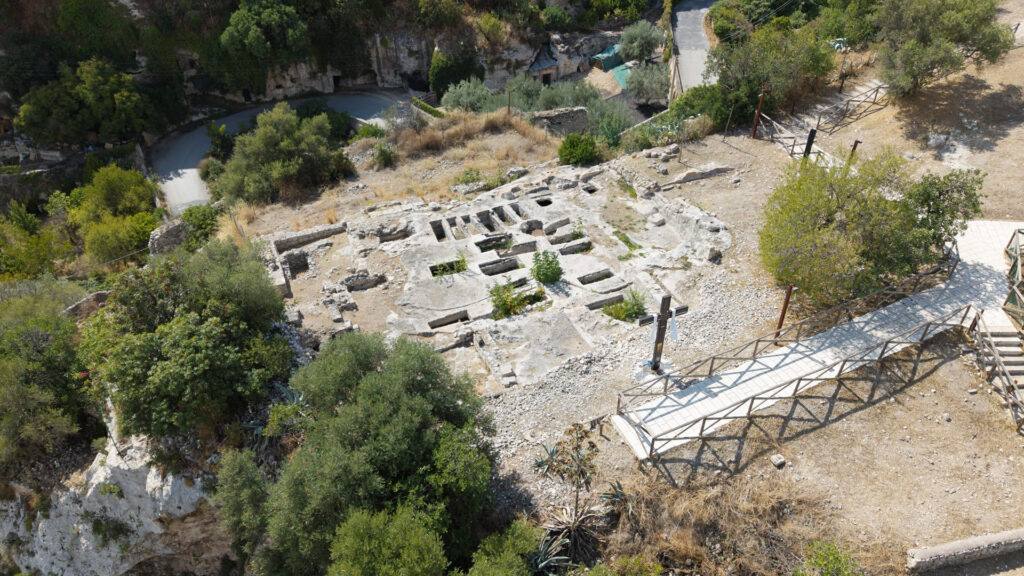
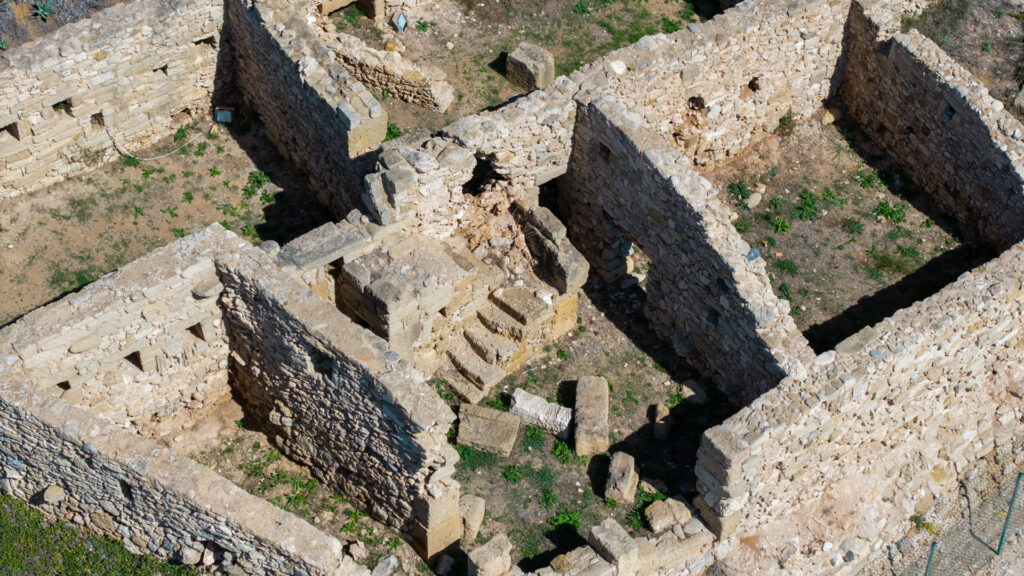
La Cava Gonfalone è un’antica cava di pietra calcarea situata nel territorio di Ragusa, che ha avuto un ruolo fondamentale nella storia edilizia della zona, fornendo il materiale per la costruzione degli edifici storici locali, in particolare nel suggestivo centro storico di Ragusa Ibla. Il sito si distingue per le sue imponenti pareti rocciose e le ampie aperture naturali, immerse nella tipica vegetazione della macchia mediterranea che caratterizza il paesaggio ibleo. Oggi la Cava Gonfalone rappresenta un importante luogo di interesse archeologico e naturalistico, meta prediletta da escursionisti, studiosi e appassionati di storia e geologia che ne apprezzano il valore culturale e ambientale. Questo sito è un vero patrimonio della provincia di Ragusa, simbolo dell’ingegno umano e della tradizione edilizia locale, capace di raccontare la storia della città attraverso la pietra e la natura.

Portale di San Giorgio

Il Portale di San Giorgio a Ragusa Ibla è un pregevole esempio di architettura barocca siciliana che risale indicativamente al 1349, anche se riflette interventi successivi che ne hanno arricchito la decorazione. Realizzato in pietra scolpita con maestria artigianale, il portale si distingue per le sue ricche decorazioni floreali, motivi simbolici e dettagli raffinati, che ne testimoniano l’elevato livello artistico tipico del barocco siciliano. Collocato nel cuore pulsante del centro storico di Ragusa, oggi patrimonio UNESCO, questo ingresso monumentale era parte di un edificio di rilievo e rappresenta un importante punto di riferimento storico, architettonico e culturale per la città. Oggi il portale attira turisti, studiosi e appassionati d’arte, affascinati dalla sua bellezza e dal significato culturale che incarna, simbolo della ricca tradizione barocca degli Iblei.

Circolo di Conversazione

Il Circolo di Conversazione di Ragusa Ibla è un raffinato esempio di architettura neoclassica, fondato nel 1830 per volere dell’aristocrazia locale. Situato in Piazza Duomo, l’edificio si distingue per la sua facciata elegante, caratterizzata da paraste doriche e bassorilievi che rappresentano figure mitologiche. All’interno, il fastoso salone delle feste presenta un soffitto affrescato da Tino Del Campo, con allegorie delle arti e delle scienze e medaglioni raffiguranti Dante, Michelangelo, Galileo e Vincenzo Bellini. Le sale, arredate con mobili originali, conservano l’atmosfera dell’epoca, offrendo uno spaccato della vita sociale dell’aristocrazia siciliana del XIX secolo. Oggi, il Circolo è un centro culturale privato, aperto al pubblico solo tramite visite guidate, che permettono di scoprire la sua storia e il suo patrimonio artistico.

Piazza della Repubblica

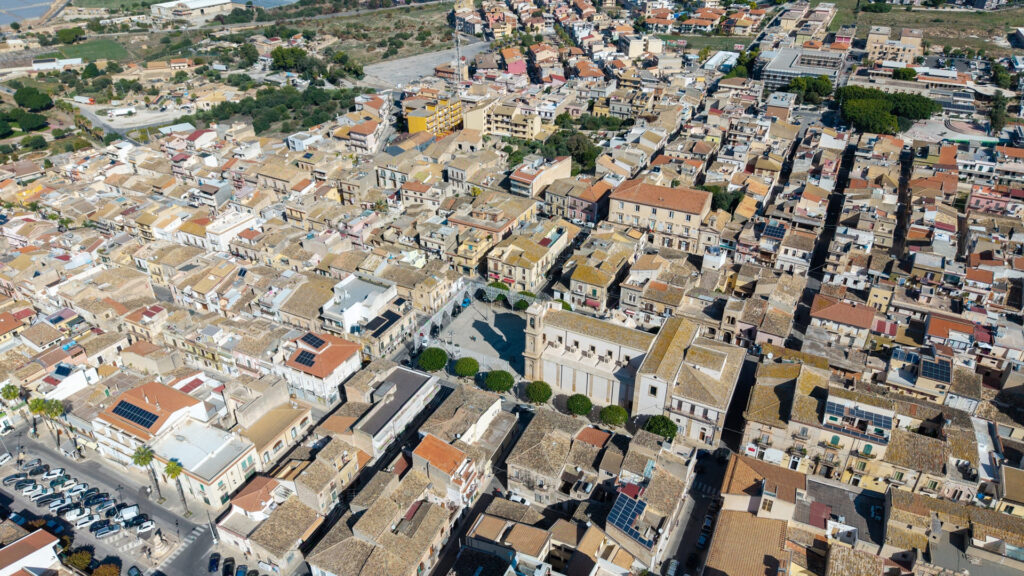
La Piazza della Repubblica è uno degli spazi pubblici più significativi e frequentati di Ragusa Ibla, vero cuore storico, sociale e culturale della città. Questa ampia e scenografica piazza è circondata da eleganti edifici barocchi di grande pregio artistico, che ne sottolineano l’importanza e il ruolo centrale nel tessuto urbano. Frequentata quotidianamente sia dai residenti che dai turisti, la piazza ospita numerosi eventi pubblici, mercati tradizionali, feste e manifestazioni che contribuiscono a mantenere viva la cultura e le tradizioni locali. Punto d’incontro, passeggio e socializzazione, Piazza della Repubblica rappresenta un luogo emblematico dove si riflette l’identità e la storia di Ragusa Ibla, regalando uno scorcio suggestivo e autentico sull’architettura barocca e sulla vita comunitaria della città. È una tappa imprescindibile per chi desidera conoscere il fascino e l’anima del centro storico.

The Paleo-Christian Basilica of Caucana

The Paleo-Christian Basilica of Caucana, dating back to the 5th–6th century AD, is one of the oldest Christian places of worship in the Ragusa area. Discovered within the archaeological site of Kaukana, the structure features a three-nave layout divided by reused columns and a semicircular apse with remains of a mosaic floor. An adjoining octagonal baptistery attests to the significance of baptism in the local community. Excavations and consolidation work have brought to light the masonry and parts of the original plasterwork. Today, the basilica can be visited via wooden walkways, with easy access for visitors with reduced mobility, and is equipped with informative panels explaining the site’s history and liturgical functions.

Palace Vitale–Ciarcià

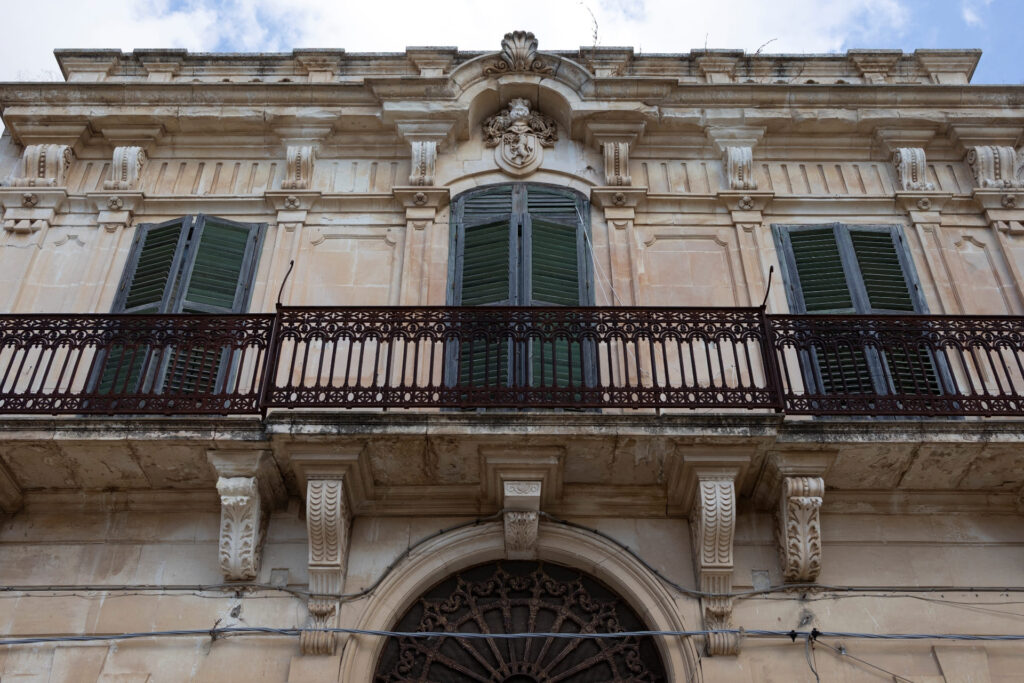
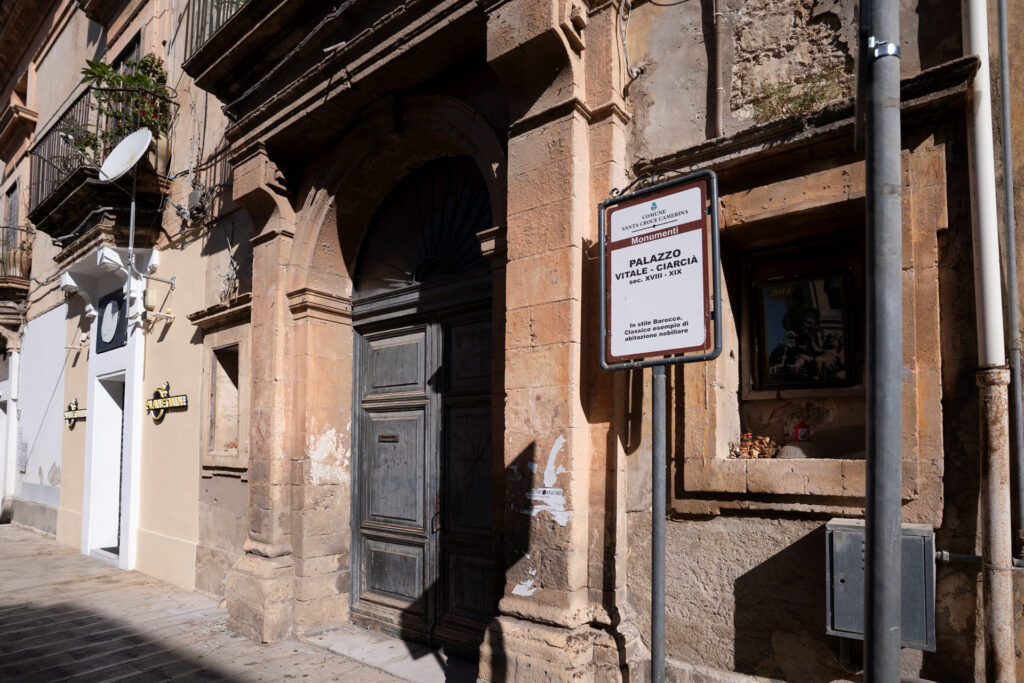
The Palazzo Vitale–Ciarcià, located on Viale della Repubblica in Santa Croce Camerina, is a refined noble residence dating back to the late 18th century, an emblematic example of Iblean Baroque with neoclassical influences. Its two-story façade, articulated by string courses and dentil cornices, features elegant wrought iron balconies supported by local stone brackets. The main entrance, decorated with the family coat of arms, opens onto an inner courtyard paved with cobblestones, dominated by an ancient well. Inside, the rooms are adorned with 18th-century stuccoes and refined coffered ceilings, restored in 2005. Today, while remaining a private residence, the palace hosts cultural events, allowing visitors to admire the splendor and elegance of the local nobility.

Scalambri Tower

The Scalambri Tower in Punta Secca is a coastal tower dating back to the 16th century, built as a defensive stronghold against Saracen raids and pirate attacks. With its square shape and massive structure, it stands just a few meters from the sea, next to the present-day lighthouse. Constructed in local limestone, the tower features thick walls, narrow slits, and an elevated entrance—typical traits of watchtowers from that period. Over time, the tower has become a historic and cultural symbol of the seaside village, offering valuable insight into Sicily’s coastal defense system. Located in the main square, near the famous “Casa di Montalbano” made popular by the television series, the Scalambri Tower can be viewed from the outside and is a must-see for anyone interested in the history and fortified heritage of the Iblean coast.

The Archaeological Park of Kamarina

The Archaeological Park of Kamarina preserves the remains of the ancient Greek colony founded by Syracuse in 598 BC, which was destroyed and rebuilt several times over the centuries. Located on a panoramic plateau overlooking the sea, the site includes the remnants of the Greek settlement, with fortifications, necropolises, the agora, kilns, and a small temple. The Regional Archaeological Museum exhibits artifacts uncovered during excavations, including ceramics, amphorae, coins, and statues that illustrate the daily and religious life of the time. Kamarina is a precious testimony to the ancient history of southern Sicily, combining historical, archaeological, and landscape value. The visit offers a unique experience that blends culture and nature, immersed in the evocative setting of the Hyblean coastline.

Palace Celestri–Sant’Elia–Arezzo

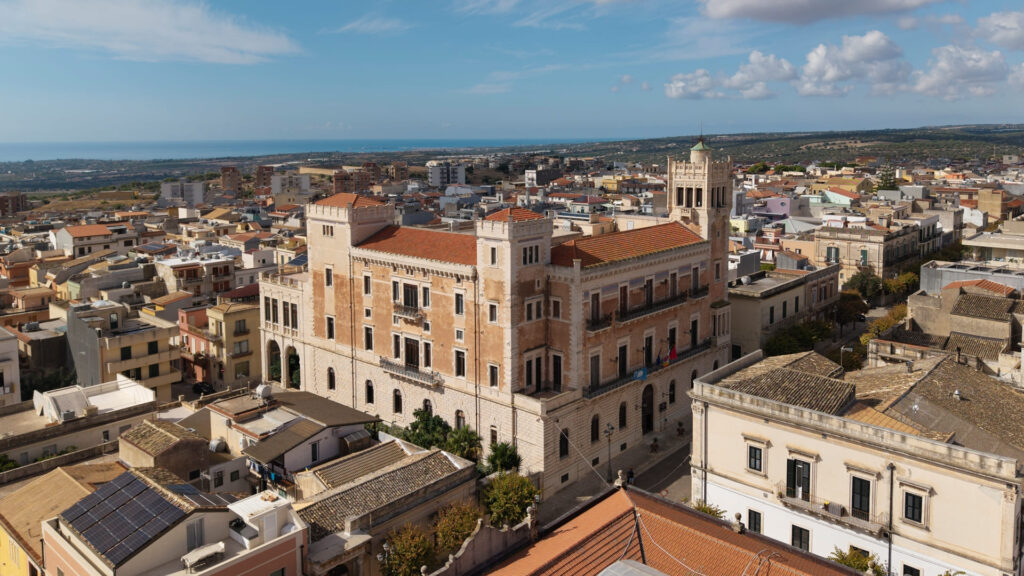
Palace Celestri–Sant’Elia–Arezzo, located in Piazza G. B. II Celestri, is one of the most significant and representative historic buildings in Santa Croce Camerina. Its construction began in the 16th century, and over the centuries it became the residence of prominent local noble families, including the prestigious Celestri di Sant’Elia, known for their important role in the social, economic, and political life of the area. The building stands out for its austere yet harmonious façade, featuring wrought-iron balconies and stone mouldings—elements typical of Sicilian noble architecture of the time. The wide entrance portal, finely decorated, retains the elegance and stylistic refinement of the Baroque, making the palace a remarkable example of historical architectural style. Although the interior is not open to the public, the palazzo remains a valuable historical and cultural landmark, enriching the monumental and artistic heritage of the town center and keeping alive the memory of the noble families who shaped the local history.

The Old Capuchin Convent

The Old Capuchin Convent, at Viale Margherita 41 in Ragusa Ibla, is a significant example of 17th century convent architecture. Founded according to the rule of the Capuchin Friars Minor, the complex has a simple and sober structure, with a cloister, monastic cells and spaces dedicated to prayer and community life. The façade and interior reflect the austere spirituality of the order, without excessive decoration. Situated in a panoramic position, the convent is surrounded by green areas and offers a suggestive view of the lower part of Ragusa Ibla. Recently restored, today it hosts cultural events, exhibitions and workshops, contributing to the enhancement of the historical and religious heritage of the city. It represents an important link between the monastic tradition and Ragusa’s contemporary cultural life.