Vigliena Tower

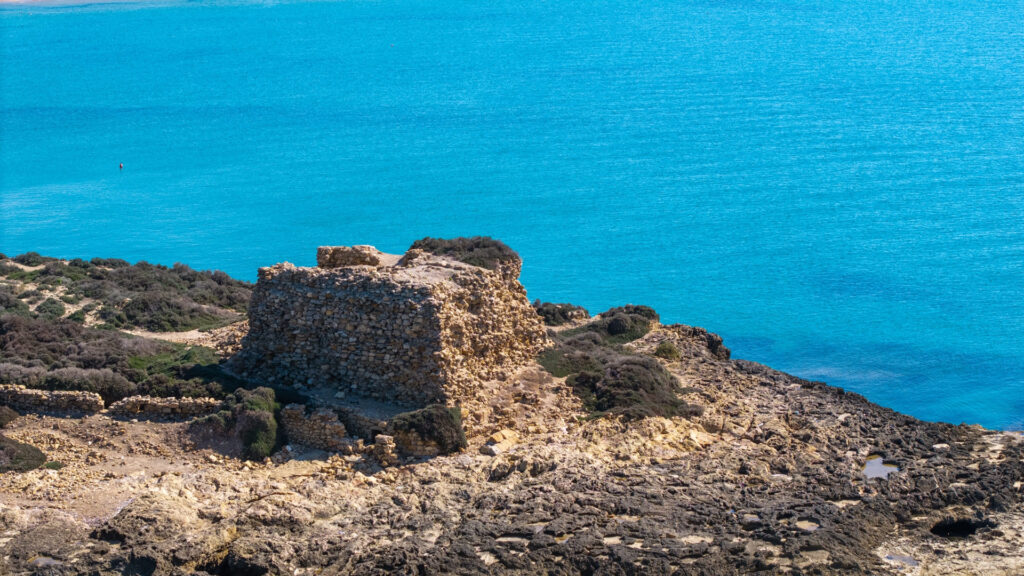
The Vigliena Tower, built in the 17th century, was part of the coastal defense system established by the Spanish viceroys to protect Sicily from corsair raids. Located on a promontory at Punta Braccetto, between Santa Croce Camerina and Scoglitti, the tower monitored a particularly exposed stretch of coastline. Constructed from local stone with a square plan and solid structure, it housed sentinels and firearms to defend the shore. Although now partially damaged, it remains an important example of coastal military architecture from the period. Set in a scenic landscape between sea and unspoiled nature, the Vigliena Tower stands as a historical symbol and a point of interest for visitors to the area.
The archaeological site of Caucana

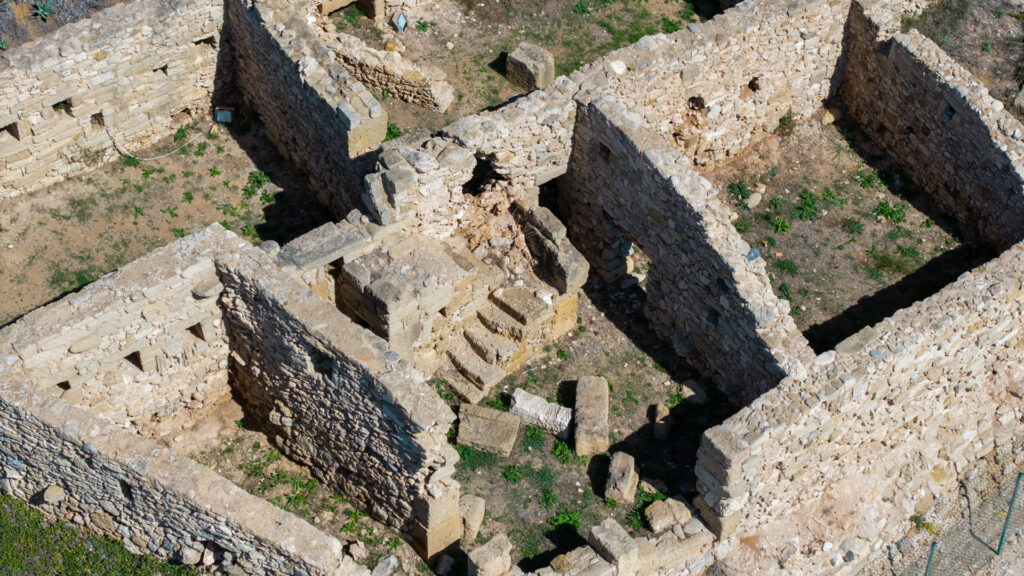
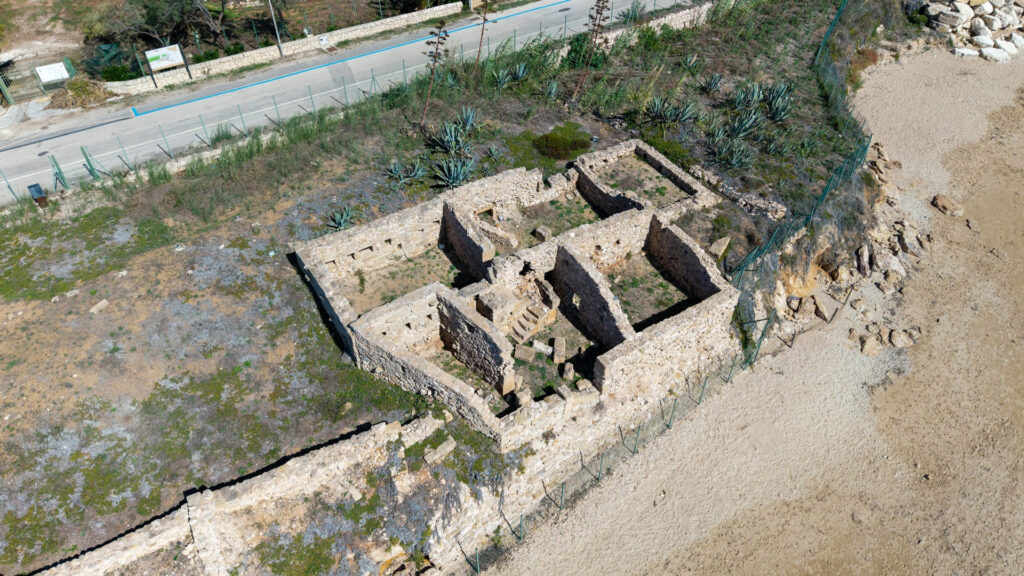
The archaeological site of Caucana preserves the remains of an ancient coastal settlement active between the 4th and 7th centuries AD, likely a port village dependent on Kamarina. Excavations reveal rectangular-plan houses, a basilica with an apse, worship areas, and stretches of road that attest to continuous settlement during the Byzantine period. The houses, built with local stone and often arranged around courtyards, reflect a simple yet functional urban layout. Overlooking the sea, Caucana represents a rare example of coastal urban archaeology in southeastern Sicily. Today, the site is accessible via marked pathways that enhance its historical and scenic value, offering visitors an immersive journey into the ancient history of the region.

Palace Carratello

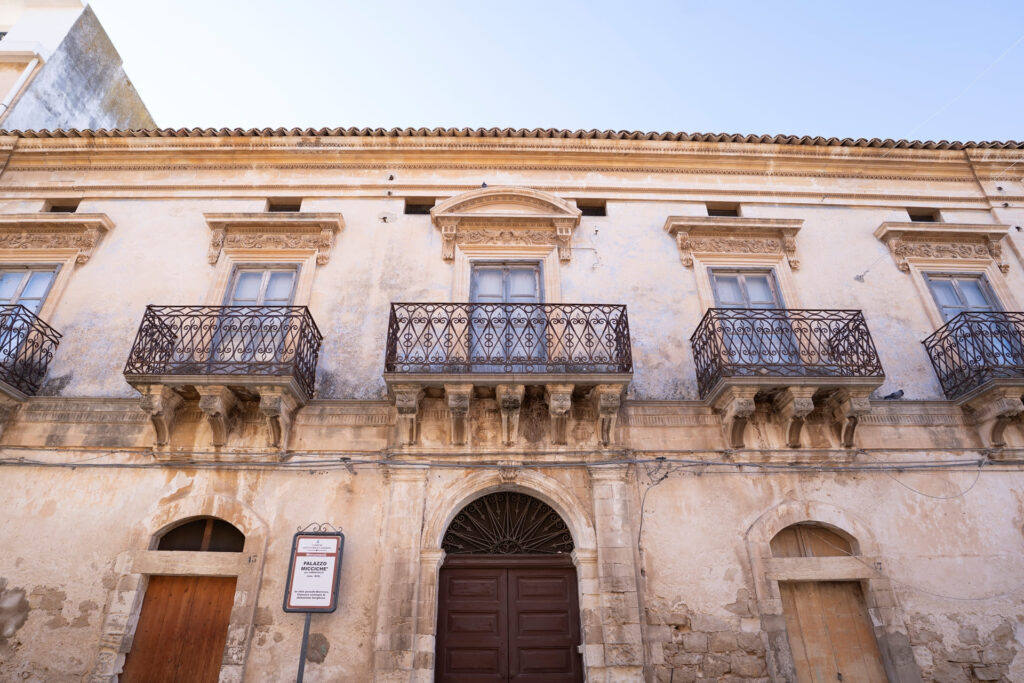
Located along the historic Via dei Martiri Elli Romeo, Palazzo Carratello is a refined noble residence dating back to the 19th century and stands as an important example of aristocratic architecture typical of the period. Its façade, simple yet extremely elegant, is distinguished by wrought-iron balconies supported by finely carved stone corbels and large moulded windows that lend harmony and lightness to the building. The entrance portal, made of solid wood and framed by finely decorated stone elements, leads into a structure that, although privately owned and not open to the public, remains a prominent landmark in the urban fabric of Santa Croce Camerina. The palace embodies the style and elegance of the local aristocracy, significantly contributing to the town’s historical and cultural identity. Its presence bears witness to the importance of noble families in shaping the village’s history, making Palazzo Carratello an architectural gem to be admired even from the outside.

Palace Celestri–Sant’Elia–Arezzo

Palace Celestri–Sant’Elia–Arezzo, located in Piazza G. B. II Celestri, is one of the most significant and representative historic buildings in Santa Croce Camerina. Its construction began in the 16th century, and over the centuries it became the residence of prominent local noble families, including the prestigious Celestri di Sant’Elia, known for their important role in the social, economic, and political life of the area. The building stands out for its austere yet harmonious façade, featuring wrought-iron balconies and stone mouldings—elements typical of Sicilian noble architecture of the time. The wide entrance portal, finely decorated, retains the elegance and stylistic refinement of the Baroque, making the palace a remarkable example of historical architectural style. Although the interior is not open to the public, the palazzo remains a valuable historical and cultural landmark, enriching the monumental and artistic heritage of the town center and keeping alive the memory of the noble families who shaped the local history.

Scalambri Tower

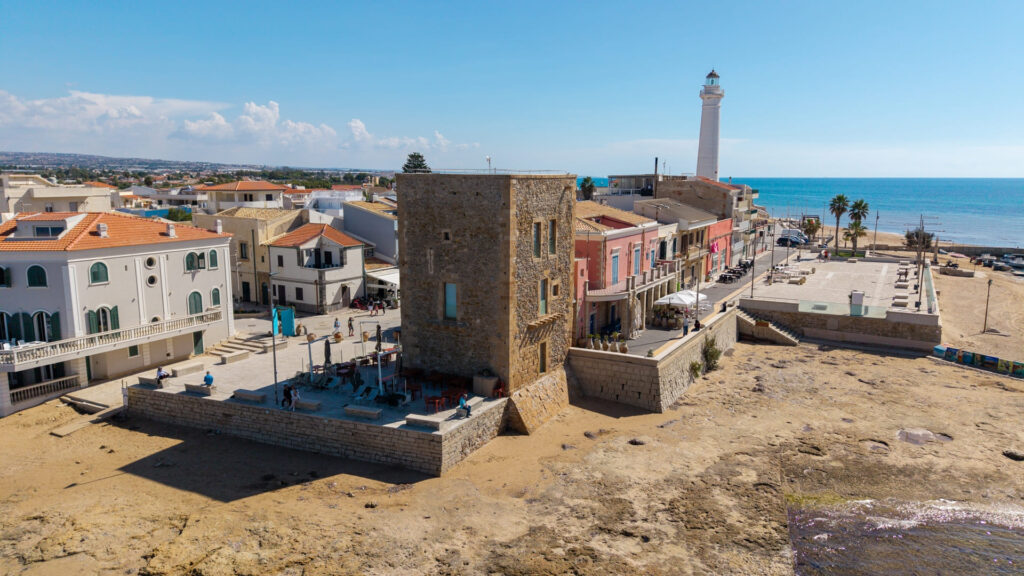
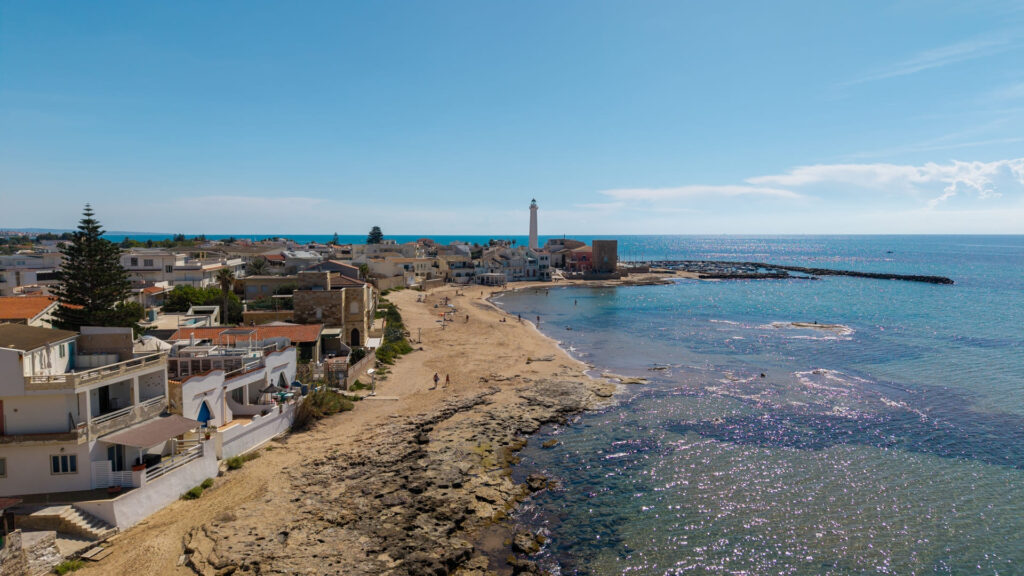
The Scalambri Tower in Punta Secca is a coastal tower dating back to the 16th century, built as a defensive stronghold against Saracen raids and pirate attacks. With its square shape and massive structure, it stands just a few meters from the sea, next to the present-day lighthouse. Constructed in local limestone, the tower features thick walls, narrow slits, and an elevated entrance—typical traits of watchtowers from that period. Over time, the tower has become a historic and cultural symbol of the seaside village, offering valuable insight into Sicily’s coastal defense system. Located in the main square, near the famous “Casa di Montalbano” made popular by the television series, the Scalambri Tower can be viewed from the outside and is a must-see for anyone interested in the history and fortified heritage of the Iblean coast.

Palace Vitale–Ciarcià

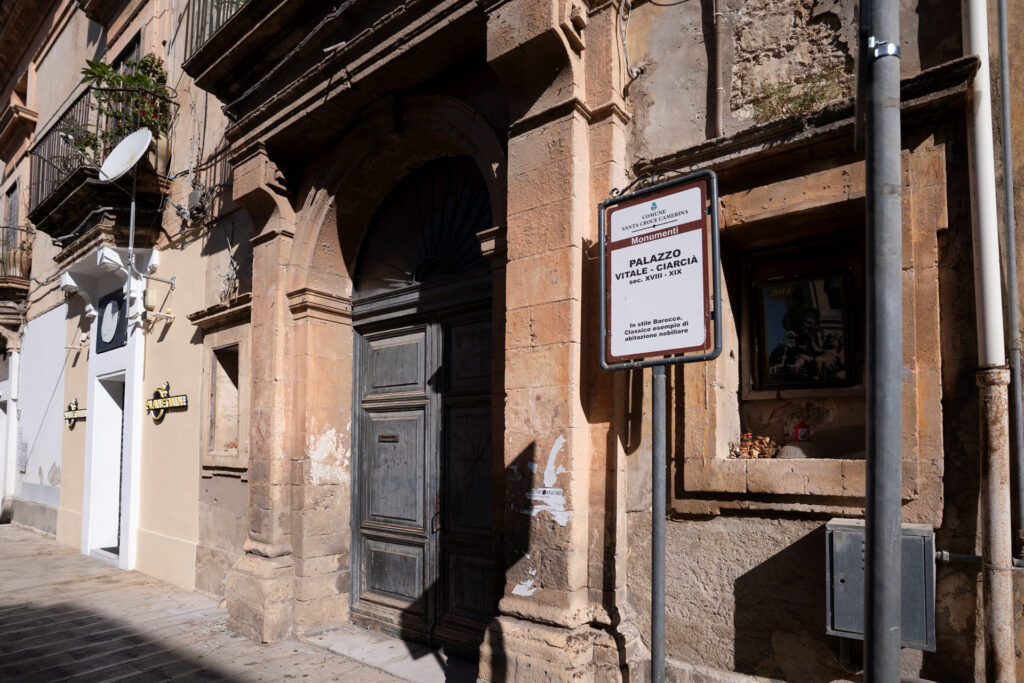
The Palazzo Vitale–Ciarcià, located on Viale della Repubblica in Santa Croce Camerina, is a refined noble residence dating back to the late 18th century, an emblematic example of Iblean Baroque with neoclassical influences. Its two-story façade, articulated by string courses and dentil cornices, features elegant wrought iron balconies supported by local stone brackets. The main entrance, decorated with the family coat of arms, opens onto an inner courtyard paved with cobblestones, dominated by an ancient well. Inside, the rooms are adorned with 18th-century stuccoes and refined coffered ceilings, restored in 2005. Today, while remaining a private residence, the palace hosts cultural events, allowing visitors to admire the splendor and elegance of the local nobility.

The Mother Church of San Giovanni Battista

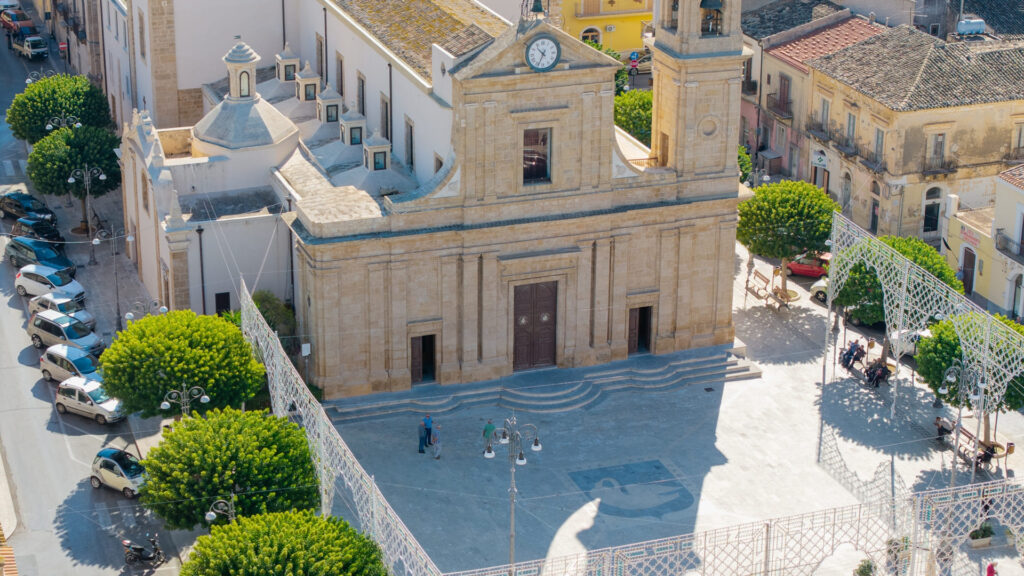
The Mother Church of San Giovanni Battista, overlooking Piazza Vittorio Emanuele II, is the religious and monumental heart of Santa Croce Camerina. Built in the early 1600s on a medieval structure, it was extensively renovated between 1797 and 1885 based on designs by architect Teodoro Gigante, with master builders Giuseppe Mazzarella, Giovanni Vaccaro, and Dionisio Bocchieri. The building, 45 meters long, features a Latin cross plan with three naves, a central dome, transept, and side chapels. Inside are valuable artistic works: a copy of Martin Faber’s Madonna of Loreto, a wooden statue of Saint Joseph, the city’s patron saint, and the funerary monument commissioned by the Celestri family in 1604. The frescoes of the four Evangelists in the dome, painted in 1986 by local artist Giovanni Aquila, further enrich the sacred space. Today, the church is the center of major religious celebrations, including the Feast of Saint Joseph, maintaining strong ties with the local community.

Caucana Beach

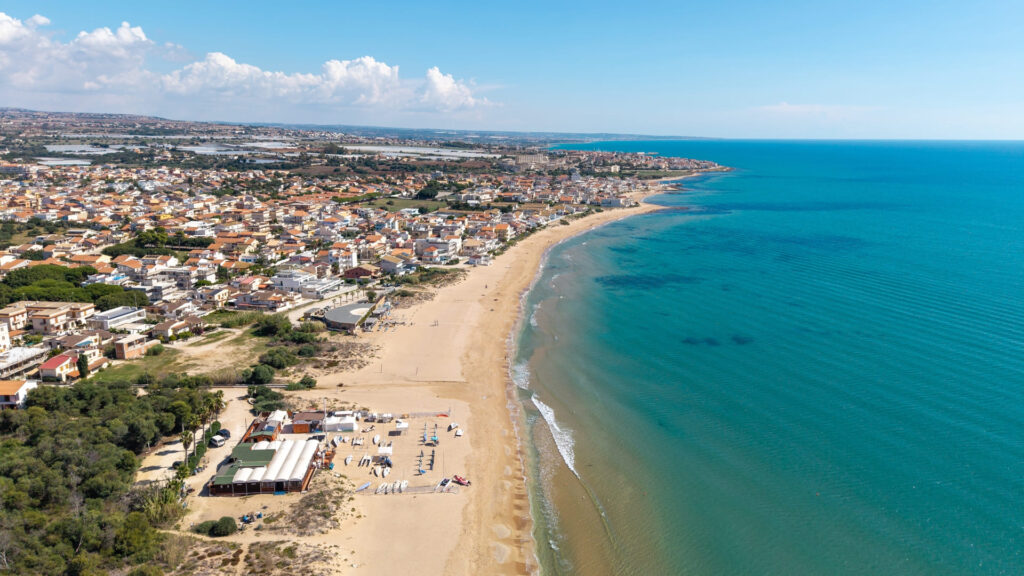
Caucana Beach, historically known as Kaukana, stretches for about 2 km along the Lungomare delle Anticaglie, between Punta Secca and Marina di Ragusa. Characterized by fine golden sand, emerging rocks, and gently sloping seabeds, it is an ideal spot for families and snorkeling enthusiasts, with crystal-clear waters and a still unspoiled natural environment. Simply equipped, it offers public showers, nearby bars, and restaurants, and has been awarded the Green Flag for its child-friendly bathing conditions. Behind the beach lies the Kaukana Archaeological Park, where the remains of a Greco-Roman settlement emerge, including houses, mosaics, and late antique structures. The site combines the beauty of the sea with historical significance, offering an exceptional testimony to the ancient origins of the territory and a fascinating space to explore.

Punta Secca Beach

Punta Secca Beach is a fine, golden sandy shore located in the picturesque village of Santa Croce Camerina, along the Ragusa coastline. Locally known as “a sicca” due to the extensive rocky reefs emerging from the sea, the beach features clear waters and shallow seabeds, ideal for swimming and snorkeling, attracting families and marine enthusiasts. The environment is peaceful and charming, framed by a seafront promenade lined with typical houses and seafood restaurants offering local specialties and a welcoming atmosphere. Punta Secca gained international fame thanks to the TV series Inspector Montalbano, which turned the beach into the famous set of “Marinella,” introducing iconic locations such as the commissioner’s house and the restaurant “Enzo a Mare” to a wide audience. In addition, the beach is equipped with the “Anticaglie” lido and several refreshment points that ensure visitor comfort. Between breathtaking sunsets and crystal-clear waters, Punta Secca remains one of the most beloved seaside destinations in the Ragusa area, with a unique cultural and recreational value.

The Paleo-Christian Basilica of Caucana

The Paleo-Christian Basilica of Caucana, dating back to the 5th–6th century AD, is one of the oldest Christian places of worship in the Ragusa area. Discovered within the archaeological site of Kaukana, the structure features a three-nave layout divided by reused columns and a semicircular apse with remains of a mosaic floor. An adjoining octagonal baptistery attests to the significance of baptism in the local community. Excavations and consolidation work have brought to light the masonry and parts of the original plasterwork. Today, the basilica can be visited via wooden walkways, with easy access for visitors with reduced mobility, and is equipped with informative panels explaining the site’s history and liturgical functions.