Historic Center of Santa Croce Camerina

The Historic Center of Santa Croce Camerina develops around Piazza Vittorio Emanuele II, following a medieval layout later reworked after the 1693 earthquake with refined Baroque and Neoclassical interventions between the 18th and 19th centuries. The area is home to iconic monuments: the Mother Church of Saint John the Baptist with its late Baroque façade, and noble palaces such as Vitale–Ciarcià, Rinzivillo–Portelli, Carratello, and Celestri–Sant’Elia, all distinguished by wrought-iron balconies, sculpted portals, and family crests. Framed by alleys, loggias, and courtyards, the architecture uses local limestone and polychrome stucco, creating a striking play of light and shadow. Today, the center is a vibrant residential and cultural hub: walking through its streets means discovering the historical evolution of the town—between devotion, noble power, and TV fiction scenery—in a perfectly preserved and enhanced setting for tourism and local festivities.
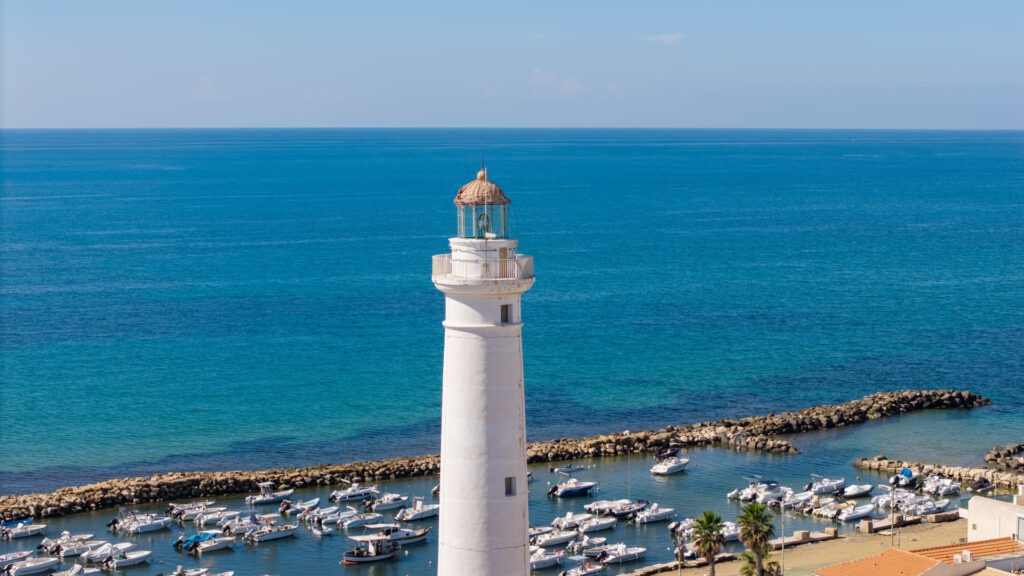
The Punta Secca lighthouse and its square

The Punta Secca Lighthouse, also known as Capo Scaramia, overlooks the scenic Amerigo Vespucci seafront and stands as a maritime and historical symbol of the area. Completed in 1859, it was designed by engineer Nicolò Diliberto D’Anna and built as a 36-meter-high cylindrical masonry tower, visible from afar and serving as a landmark for navigation in the Mediterranean Sea. The lighthouse emits two white flashes every eight seconds, with a light range of about 16 nautical miles, ensuring safe passage for vessels. At its base lies a U-shaped building that once housed the lighthouse keepers, guardians of this important coastal outpost. In front of it lies Piazza Torre, dominated by the historic Scalambri Tower, a 16th-century watchtower now repurposed as a venue, which recalls the coastal defensive history. The fame of the lighthouse and the village has grown thanks to the popular TV series Inspector Montalbano, which brought Punta Secca to national and international attention as a cultural and tourist destination, highlighting the historical, maritime, and scenic charm of this enchanting Sicilian location.

Baia Porto Ulisse

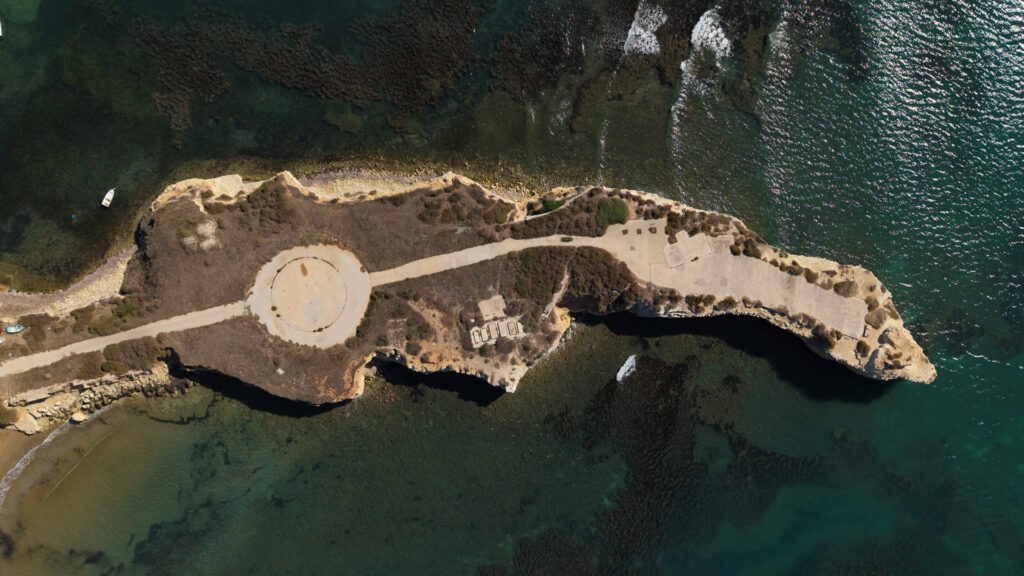
Baia Porto Ulisse is a charming natural cove located along the southeastern coast of the municipality of Ispica, set in an unspoiled landscape where sea, rock, and Mediterranean vegetation blend harmoniously. Known for its clear waters and seabeds alternating between rocky areas and small sandy stretches, the bay is a valuable habitat for marine flora and fauna, making it ideal for snorkeling, sport fishing, and diving. Archaeological remains in the area confirm the ancient use of this stretch of coastline as a natural landing site. Baia Porto Ulisse is cherished by those seeking peace, relaxation, and a genuine connection with nature. Far from mass tourism, it offers spectacular scenery and seaside sunsets, providing a rejuvenating experience deeply tied to the history and identity of the Ispica region.

The Gorgo Salato, Bruno and Longarini Marshes

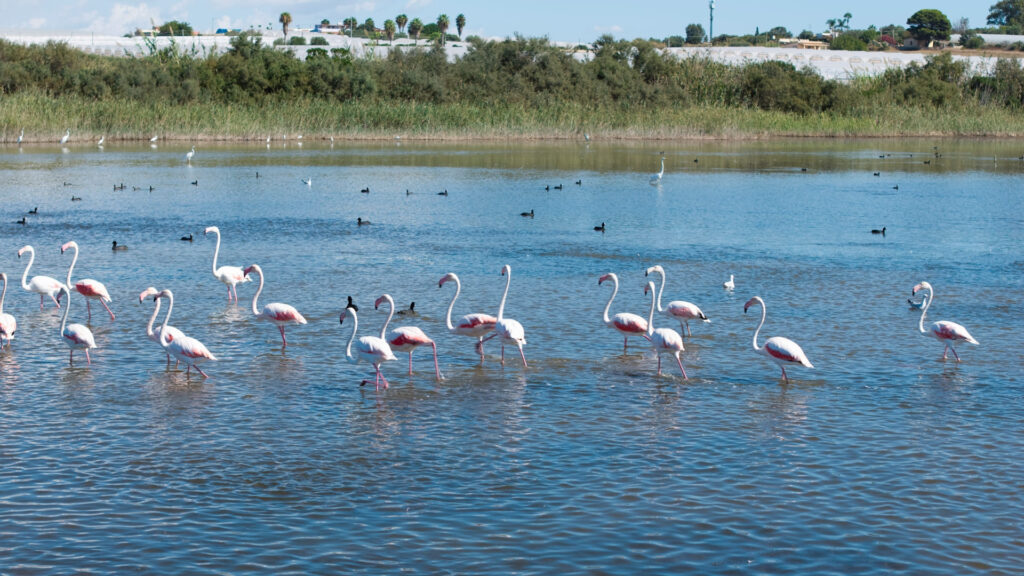
The Pantani Gorgo Salato, Bruno, and Longarini form an important system of coastal wetlands located along the southern stretch of the municipality of Ispica. They represent one of the most significant natural environments in southeastern Sicily. These brackish ponds, of natural origin, lie between sandy dunes and cultivated fields and provide valuable habitats for hundreds of migratory and resident bird species, including flamingos, herons, and black-winged stilts. The vegetation is typical of wetland areas, with reeds, rushes, and other halophytic plants. Once used for salt collection and agricultural activities, the pantani are now protected as Sites of Community Importance (SCIs) and are dedicated to sustainable uses. Popular with birdwatchers, photographers, and nature enthusiasts, they offer hiking trails and environmental education projects, actively contributing to the conservation of biodiversity and the promotion of the landscape and cultural heritage of the Ispica area.

Square dell’Unità d’Italia and the Church of San Bartolomeo

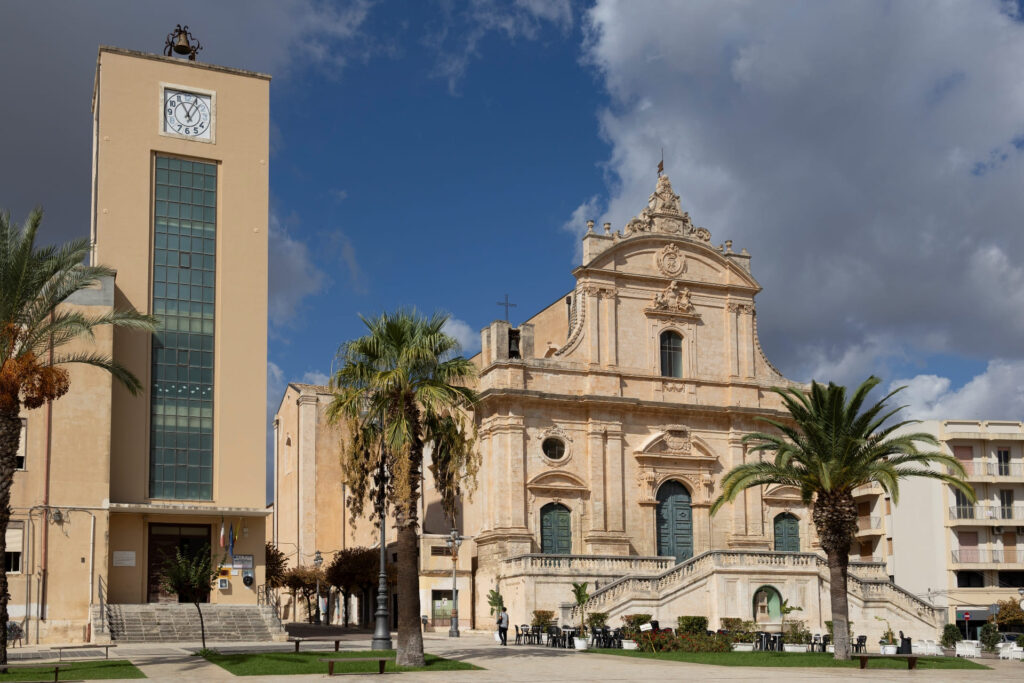
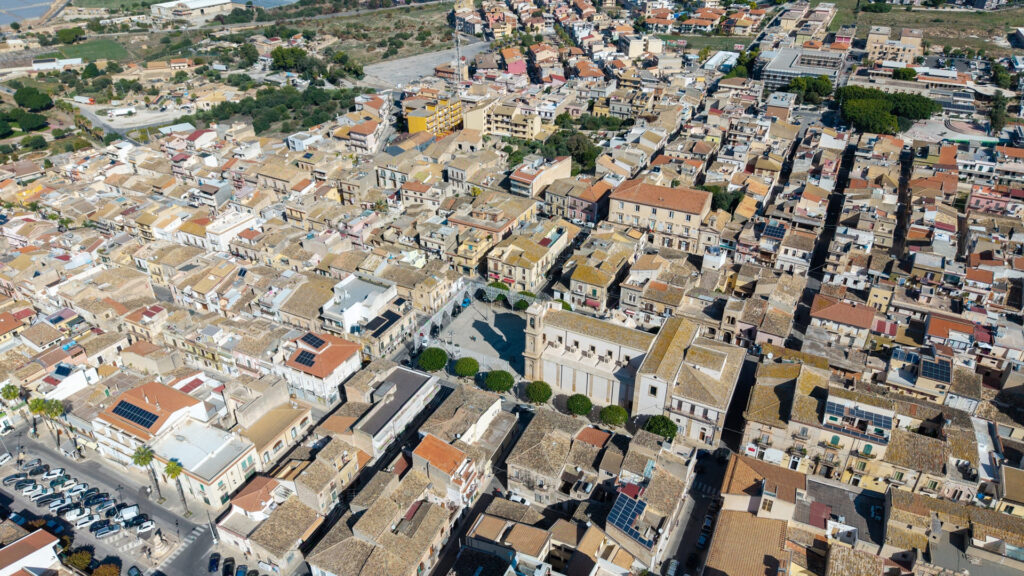
Square dell’Unità d’Italia is the beating heart of Ispica’s historic center, as well as the hub of the city’s social, religious, and cultural life. At the center of the square stands the Church of San Bartolomeo, dedicated to the patron saint, an imposing example of Sicilian Baroque architecture. Built in the 18th century, the church is distinguished by its majestic three-tiered façade, richly decorated with local stone, and its sumptuous interior, enriched with stucco, marble altars, and significant works of sacred art. The building houses the statue of the saint, the centerpiece of the solemn Feast of San Bartolomeo, which annually involves the entire community in a vibrant procession, religious, and civic events. The square is also a daily gathering place, hosting public events and markets. Constant attention to conservation, through restoration and enhancement projects, makes this space an emblem of Ispica’s historical and cultural identity.

Basilica of Santa Maria Maggiore and the Sinatra Loggia

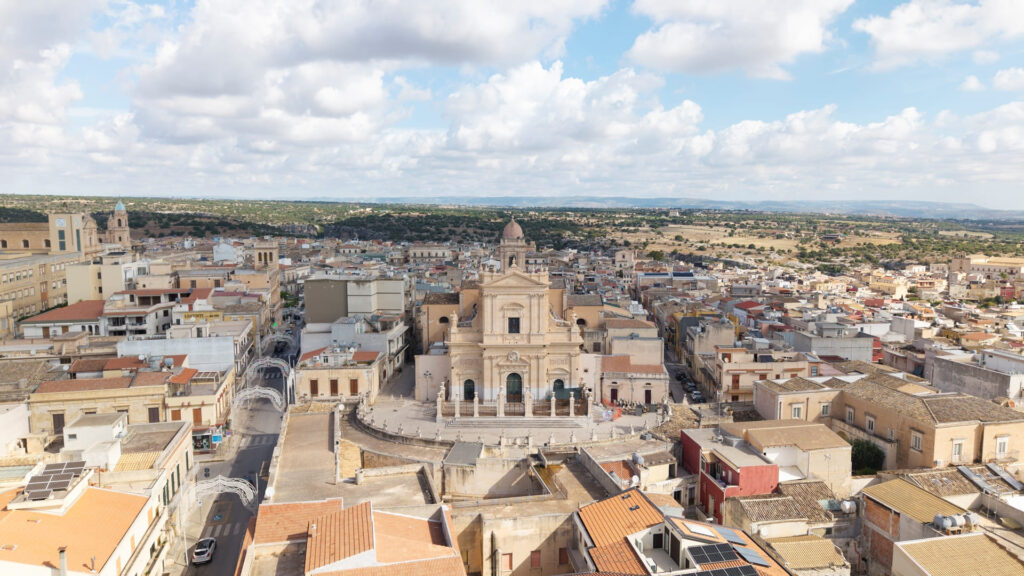
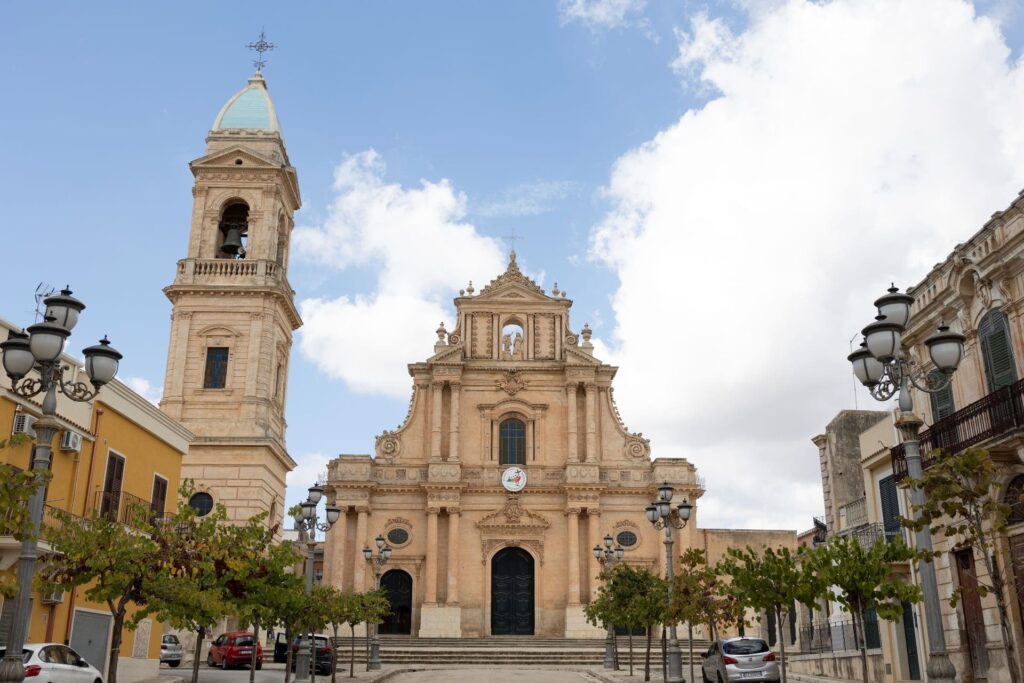
The Basilica of Santa Maria Maggiore in Ispica is one of the most significant examples of 18th-century Baroque architecture in Sicily. Located in the heart of the city, it was designed by Vincenzo Sinatra and stands out for its elegant façade in local stone, harmoniously divided into three tiers, and for the bell tower rising with sober grandeur. The single-nave interior is enriched with fine frescoes by Olivio Sozzi, marble altars, and important sacred artworks, among which the statue of the Immaculate Conception stands out. Adjacent to the church lies the famous Loggiato del Sinatra, a monumental colonnade that blends aesthetic and social functions, often used as a setting for cultural events, exhibitions, and celebrations. The complex has been declared a national monument and represents a cornerstone of local spirituality and culture. The basilica, together with the colonnade, is an essential stop for those wishing to explore Ispica’s artistic and religious history.

Church and Convent of Santa Maria di Gesù

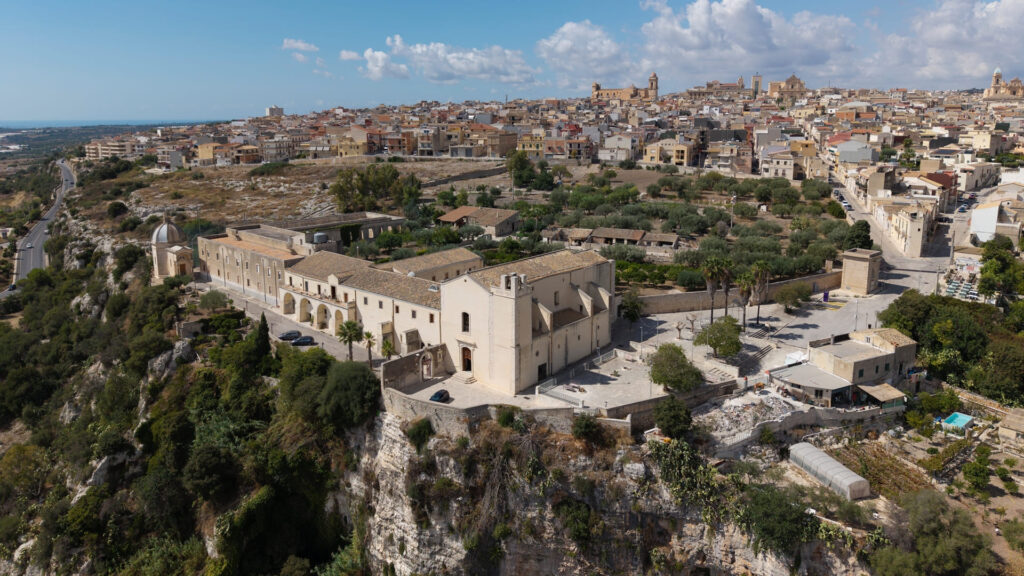
The Church and Convent of Santa Maria di Gesù, located on Via Roma in Ispica, were built around 1515 and represent one of the oldest religious sites in the city. The architectural complex combines elements of Sicilian Renaissance with late Gothic influences, visible in the pointed arch windows and the portal, alongside later Baroque additions following the 1693 earthquake restorations. The convent, historically home to the Observant Friars Minor, includes spacious cloisters, monastic cells, and areas for prayer and communal life. The church interior is richly adorned with frescoes, marble altars, and sacred statues, some attributed to renowned workshops of the time. This place maintains a strong bond with popular devotion and remains active in the spiritual and cultural life of the city, hosting religious celebrations, gatherings, and events that preserve its artistic and historical significance.

Church of Sant’Antonio Abate

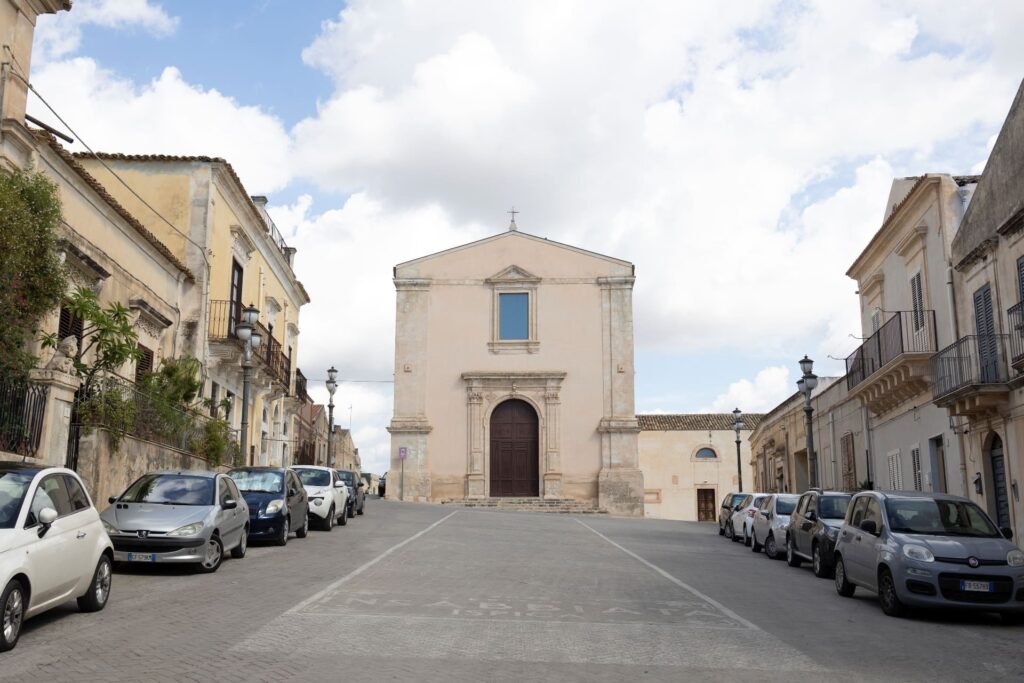
The Church of Saint Anthony the Abbot, located in the square of the same name in the historic center of Ispica, was built after the devastating earthquake of 1693, which destroyed much of the ancient city. It stands as an important example of late 17th-century Sicilian Baroque religious architecture. The simple and essential façade is enhanced by an elegant portal made of local stone and a bell tower that rises above the surrounding neighborhood. The single-nave interior is adorned with decorative stuccoes, side altars, wooden statues, and sacred paintings, including works dedicated to the patron saint. Saint Anthony the Abbot, protector of animals and farmland, is deeply venerated by the local population, especially during his feast day, which involves the entire community in religious rituals, blessings, and ancient traditions. Well preserved and still regularly officiated, the church remains a spiritual and cultural landmark for the people of Ispica, bearing witness to the city’s faith and history.

Palace of Bruno di Belmonte

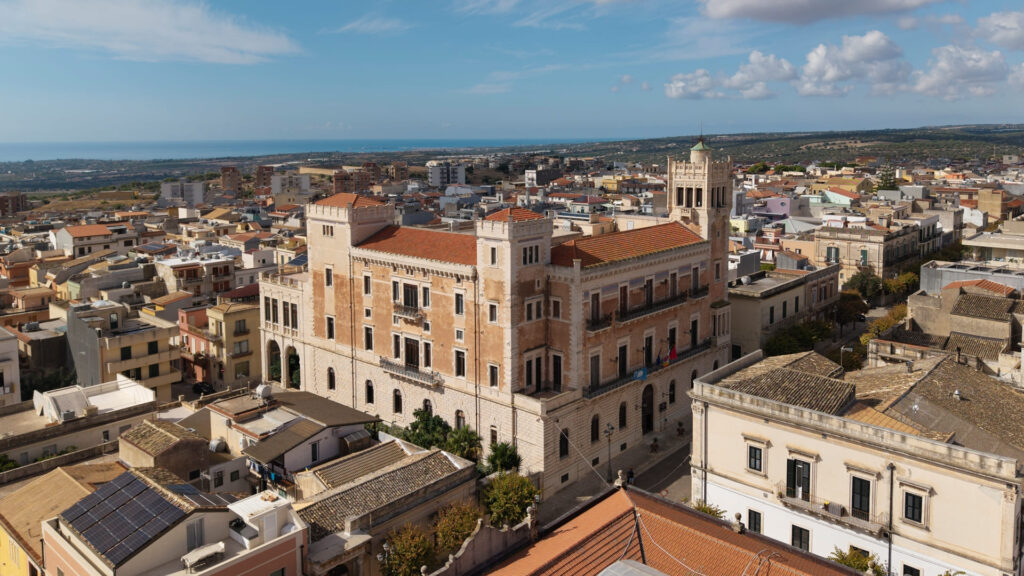
Palace of Bruno di Belmonte began in 1906, designed by architect Ernesto Basile, one of Italy’s leading exponents of the Art Nouveau style. Located in the heart of Ispica’s historic center, the palace is considered one of the most significant Art Nouveau buildings in Sicily. Its architecture is a refined blend of eclecticism and neo-Baroque, evident in the façade, which features wrought-iron balconies, floral decorations carved in stone, and Art Nouveau motifs in the windows and cornices. The interior still retains majolica floors, frescoes, and period architectural details that reflect the refined taste of the Bruno di Belmonte family. Currently serving as Ispica’s Town Hall, it also hosts cultural events, exhibitions, and institutional meetings, becoming a focal point for the city’s public and cultural life. The palace represents a masterpiece of early twentieth-century Sicilian architecture and a symbol of community identity.

The Basilica of the Most Holy Annunciation

The Basilica of the Most Holy Annunciation stands in Ispica’s Piazza Santissima Annunziata and is one of the city’s most significant religious buildings. Constructed between 1703 and 1720 following the devastating earthquake of 1693, the basilica features a three-tiered Baroque façade, crowned by a statue of the Annunciation in the third level. The interior, with its three naves, is enriched with stuccoes attributed to Giuseppe Gianforma, depicting biblical scenes. The church houses sacred artworks, including the Christ with the Cross, a stucco and papier-mâché statue dating back to the early 1700s, which is carried in procession every Good Friday. The 18th-century bell tower and loggia complete the architectural complex. The basilica is a center for religious celebrations and cultural events, and serves as an important point of reference for the community of Ispica.