Punta Ciriga

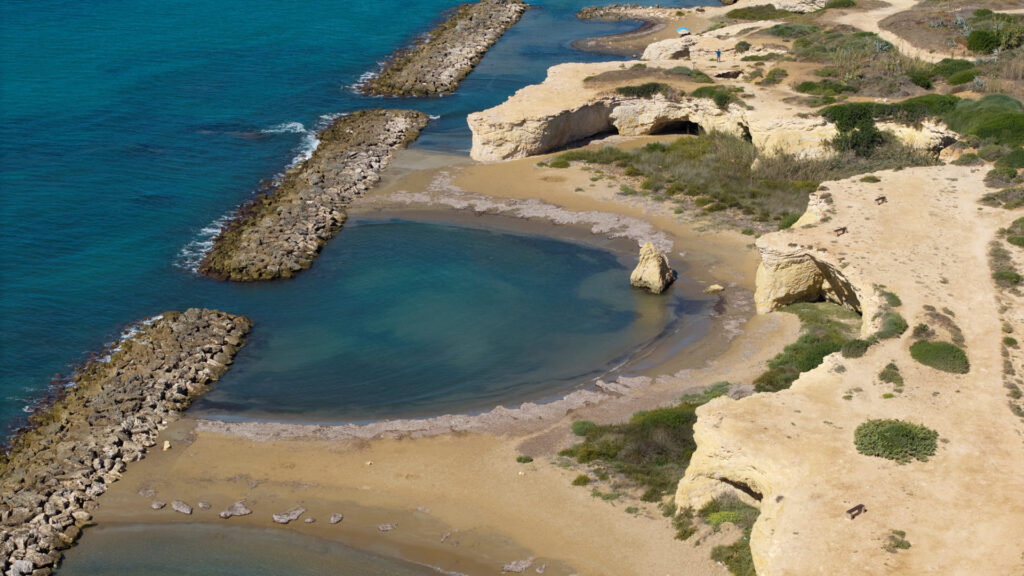
Punta Ciriga is a picturesque coastal promontory located along the Ionian coast in the municipality of Ispica, in southeastern Sicily. Characterized by rock formations sculpted by wind and sea, sandy coves, and cliffs overlooking the water, the landscape takes on a wild and captivating appearance. The area is surrounded by lush Mediterranean vegetation and is home to remarkable marine biodiversity, making it ideal for outdoor activities such as snorkeling, scenic walks, and sport fishing. The clear waters, rich seabed, and breathtaking sunsets make Punta Ciriga a favorite spot for hikers, photographers, and nature enthusiasts. Its proximity to important archaeological sites, such as Cava d’Ispica, and coastal nature reserves, enhances its historical and scenic interest. Punta Ciriga represents the perfect balance of natural beauty, silence, and discovery, offering an authentic and rejuvenating experience.
Marina di Marza

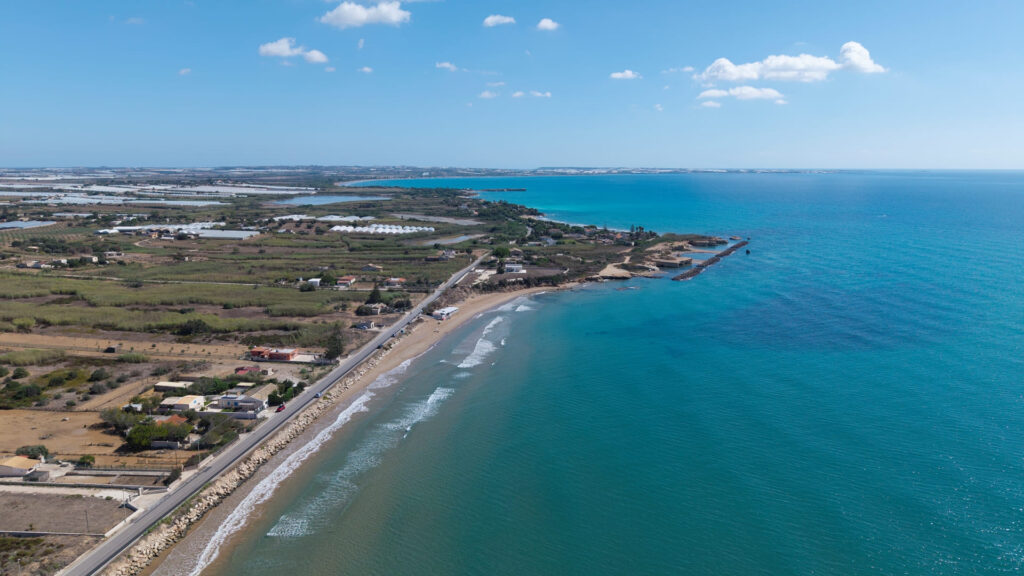
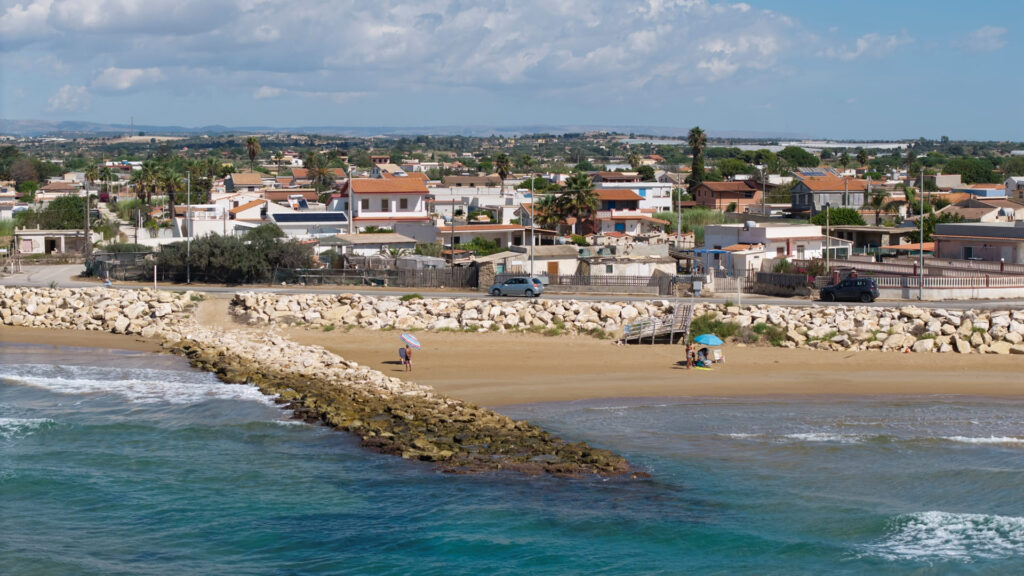
Marina di Marza is a peaceful and charming seaside locality in the territory of Ispica, nestled between Santa Maria del Focallo and the scenic area of Punta Ciriga. Characterized by wide golden beaches, shallow seabeds, and crystal-clear waters, it is an ideal destination for families, children, and those seeking relaxation in an unspoiled natural environment. The cliffs and coves along the coast preserve traces of ancient settlements and historical remains, adding cultural interest and charm to the landscape. Just a short distance away are important archaeological and natural sites, making Marina di Marza a perfect starting point for excursions exploring the Hyblean territory. Today, despite growing tourism and residential development, the locality retains an authentic lifestyle, marked by a slow pace and deep-rooted traditions. It is a corner of Sicily where nature, history, and tranquility harmoniously blend.

Santa Maria del Focallo

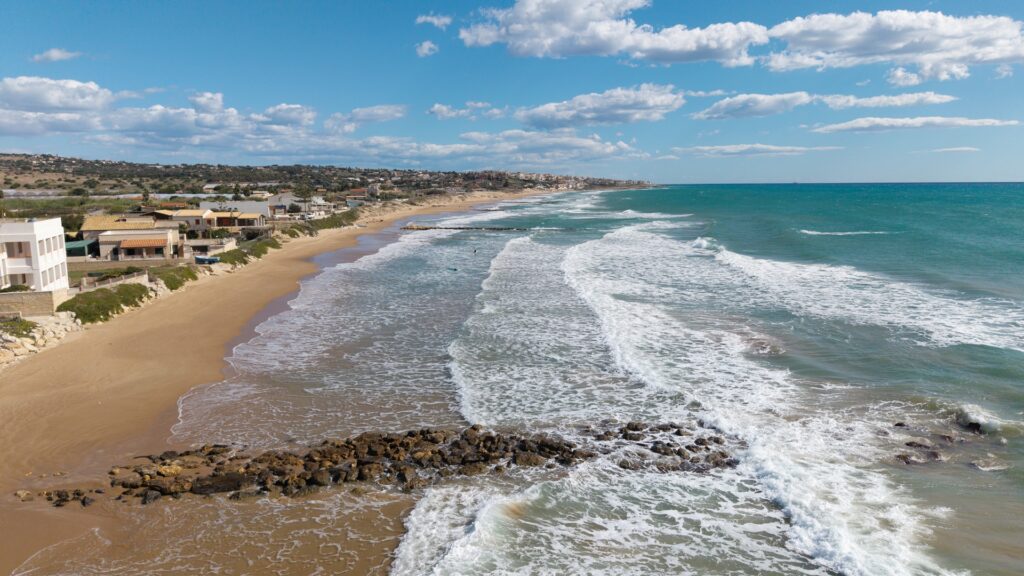
Santa Maria del Focallo is a renowned seaside resort located along the beautiful coast of the municipality of Ispica, in southeastern Sicily. Especially famous for its long beach of fine golden sand, the area is distinguished by its evocative coastal dunes and rich Mediterranean scrubland that surrounds it, creating a natural environment of great value and beauty. Its crystal-clear waters and consistently clean beaches have earned it the prestigious Blue Flag several times, a symbol of environmental quality and excellent tourist services. Today, Santa Maria del Focallo is a popular destination for tourists and families seeking a place to combine sea, relaxation, and nature, also thanks to a solid network of accommodation, well-equipped beach establishments, and green areas. The location offers a peaceful and welcoming atmosphere, ideal for a regenerating summer holiday immersed in the Mediterranean landscape.

Church of Sant’Anna

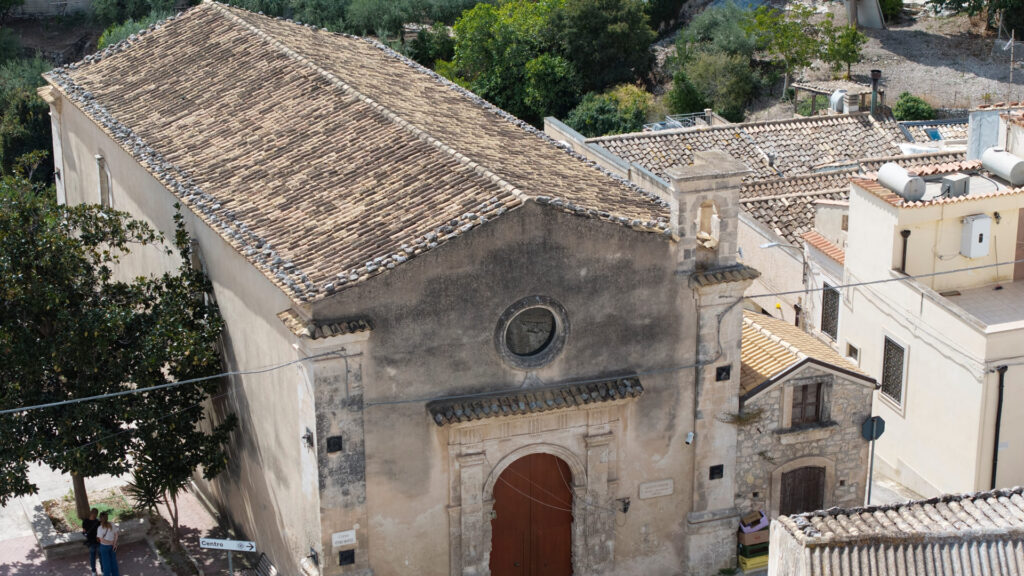
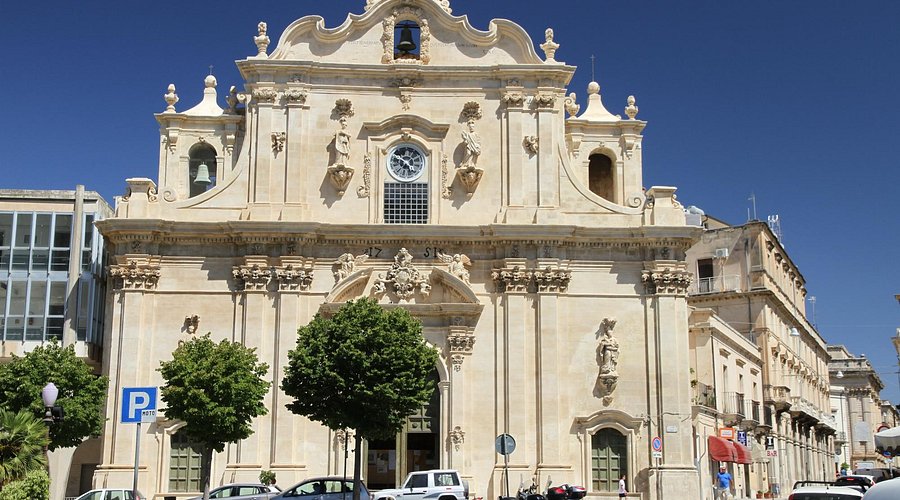
The Church of Sant’Anna, located on Corso Vittorio Emanuele in the historic center of Ispica, was rebuilt in the 17th century after the 1693 earthquake. This building is a remarkable example of Sicilian Baroque architecture, with a simple façade and an interior adorned with altars, sacred statues, and frescoes. It is an important religious and cultural landmark for the local community, who celebrate liturgical services there and organize cultural events to keep historical traditions alive. The church remains well preserved thanks to ongoing restoration.

Palace Modica

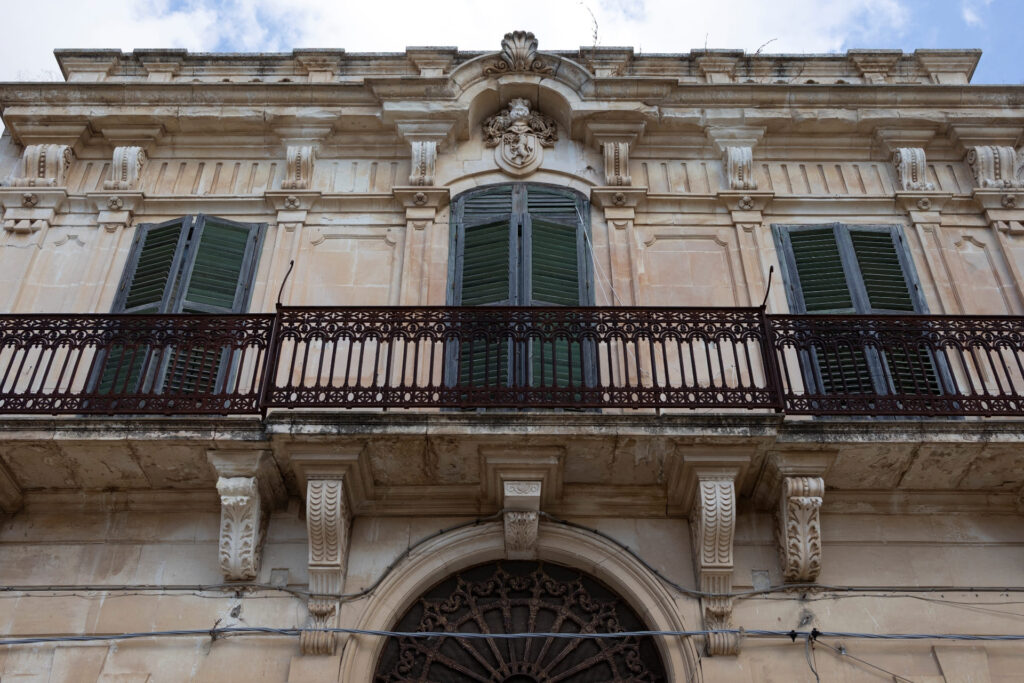
Palace Modica, located in Piazza Antonio Brancati in the heart of Ispica’s historic center, is a refined example of noble architecture dating back to the late 19th and early 20th centuries. Its imposing façade stands out for its finely crafted wrought-iron balconies and stone decorations, which highlight its elegance and connection to the local tradition. Inside, spacious halls with high ceilings and carefully designed architectural details reflect the lifestyle of the aristocratic families who once lived there, bearing witness to a time of prestige and culture. Today, Palazzo Modica serves as a vibrant space for the city, hosting cultural events, exhibitions, and artistic performances that enhance the value of the local historical heritage. The palace remains an important point of reference for the community of Ispica, preserving and promoting the city’s historical and artistic traditions.

Ancient crafts of the Ispica Quarry

The Ancient Crafts Trail of the Cava d’Ispica retraces the traditional rock-based economy of the region, where, for centuries, artisans and farmers worked among tunnels and natural ravines. Carved into the calcarenite rock, water mills, oil presses, and kilns bear witness to the processing of grains and olives, while bakeries and tanneries reflect everyday life in the caves. Original tools and guided reconstructions revive the manual skills of an era when stone was both workshop and home. The trail also passes through ancient troglodyte dwellings and rock-hewn chapels. Today, this open-air museum serves as an educational and tourist route that blends nature, history, and technology, enhancing a unique heritage in the heart of the Val di Noto.

Quarry of Ispica and Forza Park

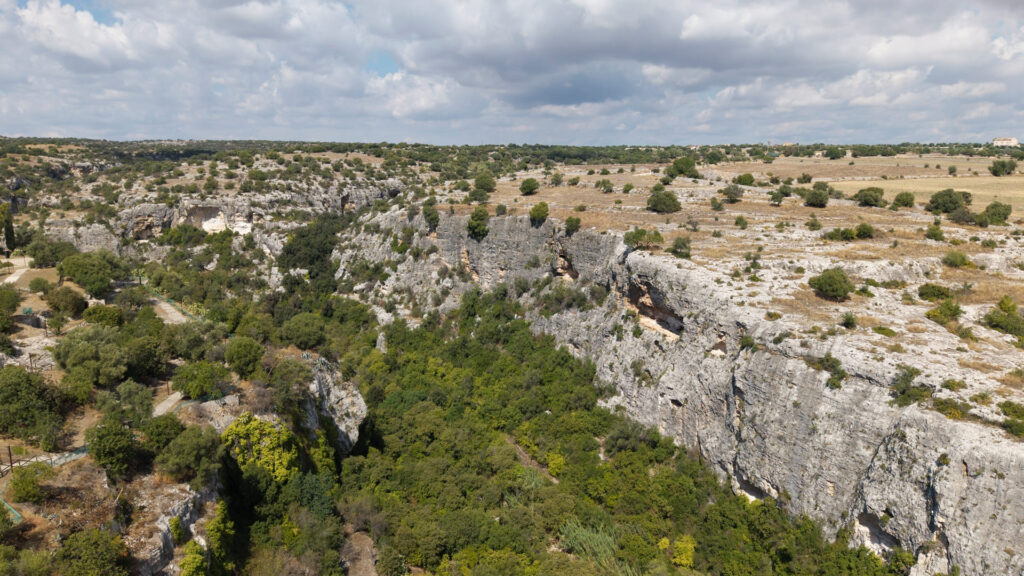
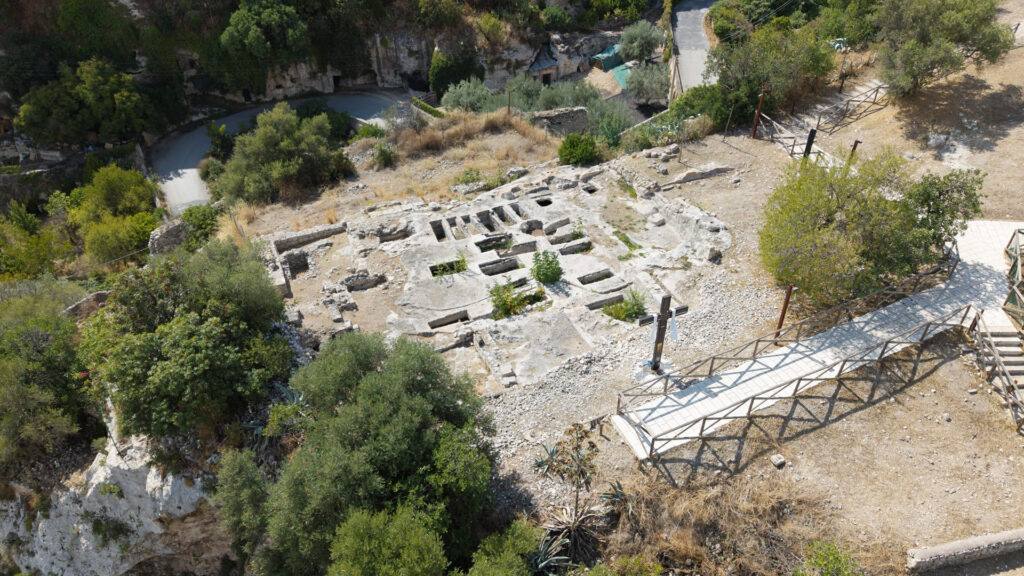
Quarry of Ispica is a river valley stretching about 13 km between Modica and Ispica, featuring rock-cut settlements that date from the Bronze Age (ca. 3000 BC) to the 14th century. The most significant area is Parco Forza, located on a fortified rocky spur known as the Fortilitium. Here you’ll find the remains of the Marchional Palace, medieval walls, the Church of the Annunziata, and hypogean structures such as stables and the famous “Centoscale” (Hundred Stairs) carved into the rock. The area is surrounded by caves, mills, rock carvings, catacombs, and an antiquarium. Today, the site is an open-air museum enhanced by cultural routes, nature excursions, and events like the living nativity scene, making it an essential destination for those who wish to explore the millennia-old relationship between humans and the environment in Sicily.

Church of San Bartolomeo

The Church of San Bartolomeo is one of the oldest and most evocative churches in Scicli, nestled in a narrow valley at the foot of the San Matteo hill, surrounded by rocky cliffs that enhance its mystical atmosphere. The original building was destroyed in the 1693 earthquake and rebuilt during the 18th century in the Sicilian Baroque style, featuring sober and elegant forms. The interior, divided into three naves, is enriched with marble altars, late Baroque decorations, and sacred sculptures — most notably the group of the Virgin of Sorrows with the dead Christ, which is carried in procession during Holy Week. The quiet and intimate setting invites meditation and contemplation, offering visitors a deep spiritual experience. The church is a significant point of reference for both popular devotion and the artistic heritage of the city.

Square Italia and the Mother Church of sant’Ignazio di Loyola

Piazza Italia is the heart of modern-day Scicli — a broad urban space surrounded by historic buildings and bourgeois architecture that reflect the city’s urban development between the 19th and early 20th centuries. The square is dominated by the majestic Mother Church of Saint Ignatius of Loyola, built starting in the 18th century, and it represents a perfect balance between religious tradition and contemporary life. The church, in late Baroque style, features a harmonious façade and a three-nave interior enhanced by elegant yet understated decorations. Today, Piazza Italia hosts civic events, markets, religious celebrations, and social gatherings, serving as the main meeting point for residents and visitors. Its central role, combined with its architectural value and everyday vitality, makes it one of the symbolic places of present-day Scicli, deeply rooted in its past.

Arizza Beach

Arizza Beach, located just a few kilometers from Scicli, is a secluded and rarely crowded bay that retains an authentic and wild charm. The gently curving shoreline is made up of golden sand mixed with fine gravel, with rocky sections ideal for snorkeling or for those seeking relaxation far from the crowds. The shallow and gently sloping seabed makes it suitable for families with children. Behind the beach, shifting sand dunes covered with Mediterranean scrub create a natural setting perfect for walks and peaceful moments. Although there are no permanent beach facilities, small mobile kiosks are present during the summer. Access is via a dirt parking area and a short walk downhill, which helps preserve its pristine character. Arizza is the perfect choice for those seeking relaxation, nature, and silence — far from the more crowded beaches of the Hyblean coast.