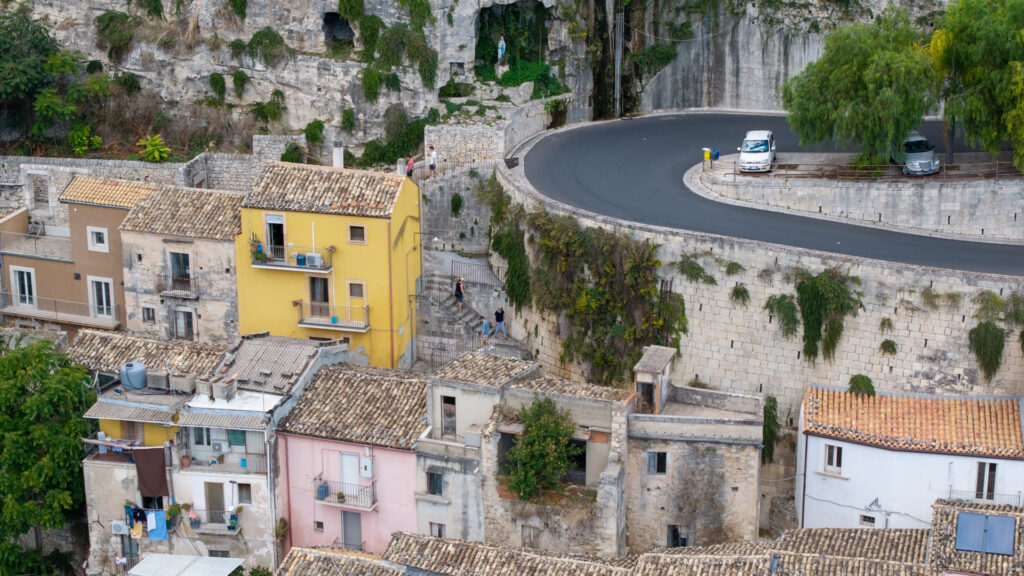
The Ragusa Staircase Route

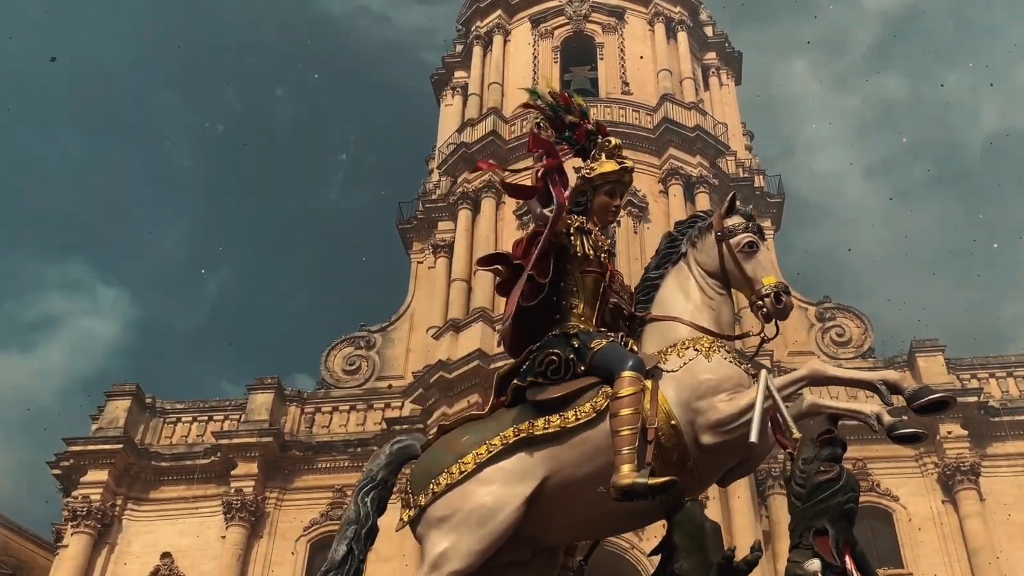
The Ragusa Staircase Route is a sequence of monumental staircases that connect Ragusa Ibla to Ragusa Superiore, reflecting the Baroque reconstruction following the 1693 earthquake. Made of local limestone, the regular ramps and landings are adorned with elegant wrought-iron railings and sculpted parapets, offering continuous perspectives on the buildings and churches below. Small balconies and viewpoints alternate along the way, ideal for admiring the maze of alleyways and surrounding cultivated valleys. Today the route is one of the most suggestive places for tourist walks, photo-shoots and moments of contemplation of the Hyblean Baroque, enjoying the atmosphere that has inspired filmmakers and painters. Not accessible to wheelchairs, it has side streets with pedestrian ramps for those who need a less steep alternative.
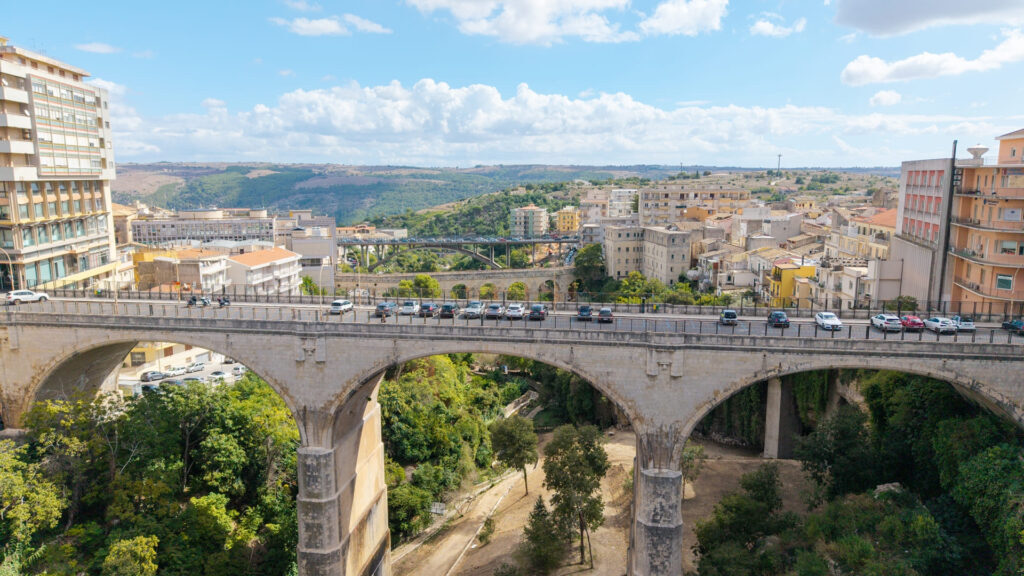
New Bridge

The Ponte Nuovo (New Bridge), located along Via Roma in Ragusa, is one of the main city infrastructures built in the 20th century. Inaugurated in 1937 and designed in the rationalist style, it was conceived to improve the connection between Ragusa Superiore and the Palazzello district. Built in reinforced concrete, it is characterised by its three elegant arches and local stone parapets, combining functionality and aesthetic sobriety. With a length of more than 100 metres and a height of more than 40 metres, the bridge dominates the valley of the San Leonardo river, offering striking views of the surrounding landscape. It still represents a key element for urban mobility in Ragusa and an important symbol of the city’s infrastructural progress, bearing witness to the architectural and engineering evolution of the period.

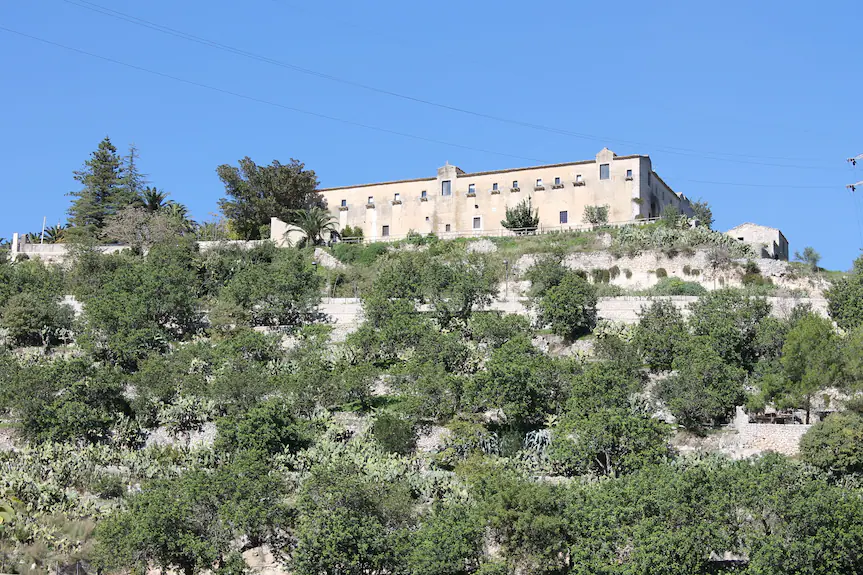
The Old Capuchin Convent

The Old Capuchin Convent, at Viale Margherita 41 in Ragusa Ibla, is a significant example of 17th century convent architecture. Founded according to the rule of the Capuchin Friars Minor, the complex has a simple and sober structure, with a cloister, monastic cells and spaces dedicated to prayer and community life. The façade and interior reflect the austere spirituality of the order, without excessive decoration. Situated in a panoramic position, the convent is surrounded by green areas and offers a suggestive view of the lower part of Ragusa Ibla. Recently restored, today it hosts cultural events, exhibitions and workshops, contributing to the enhancement of the historical and religious heritage of the city. It represents an important link between the monastic tradition and Ragusa’s contemporary cultural life.

The Archaeological Park of Kamarina

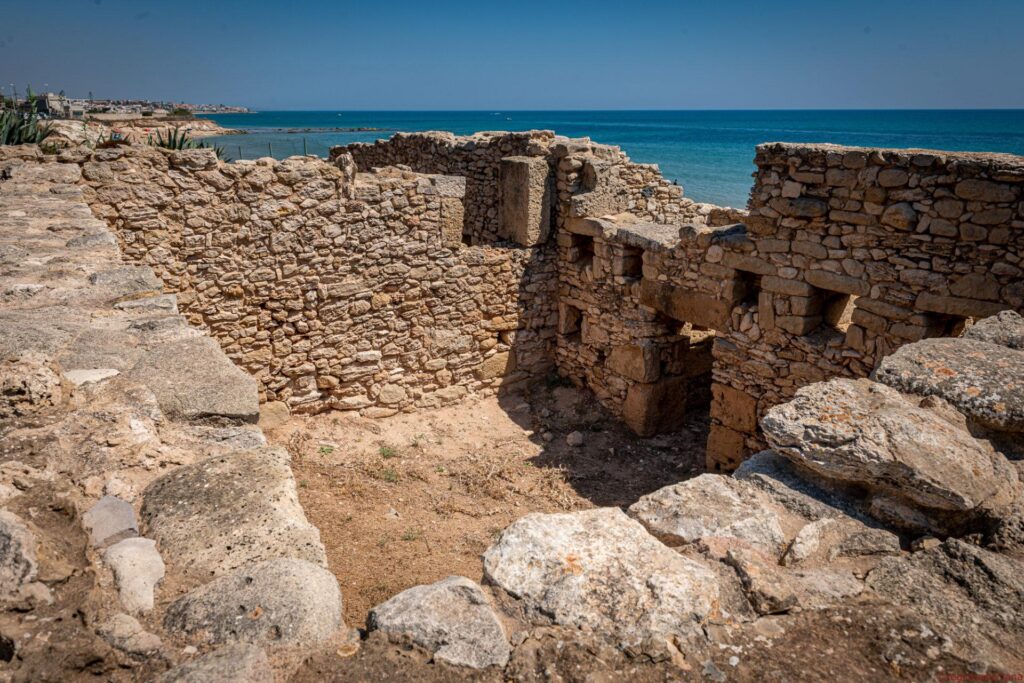
The Archaeological Park of Kamarina preserves the remains of the ancient Greek colony founded by Syracuse in 598 BC, which was destroyed and rebuilt several times over the centuries. Located on a panoramic plateau overlooking the sea, the site includes the remnants of the Greek settlement, with fortifications, necropolises, the agora, kilns, and a small temple. The Regional Archaeological Museum exhibits artifacts uncovered during excavations, including ceramics, amphorae, coins, and statues that illustrate the daily and religious life of the time. Kamarina is a precious testimony to the ancient history of southern Sicily, combining historical, archaeological, and landscape value. The visit offers a unique experience that blends culture and nature, immersed in the evocative setting of the Hyblean coastline.

Casa di Montalbano

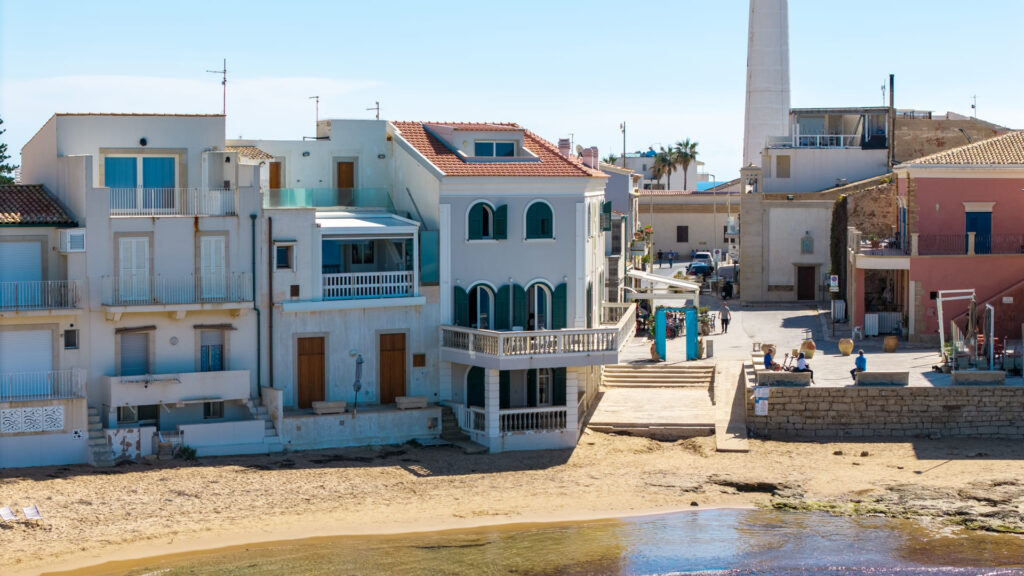
La “Casa di Montalbano” si trova in Corso Aldo Moro 44, nella suggestiva località costiera di Punta Secca, nel comune di Santa Croce Camerina. Costruita nei primi decenni del Novecento, originariamente serviva per la dissalazione delle sarde, ma nel 1904 fu trasformata in abitazione privata. Dal 1998, con le riprese della celebre serie TV ispirata ai romanzi di Andrea Camilleri, la casa è diventata la dimora del commissario Salvo Montalbano, guadagnandosi un posto speciale nel cuore dei fan. Oggi è anche un Bed & Breakfast, che permette ai visitatori di soggiornare in questo luogo iconico. La veranda con vista mare offre scorci suggestivi, mentre l’edificio mantiene intatta la sua autenticità, rappresentando un perfetto esempio di edilizia marinara tradizionale trasformata in set televisivo e meta culturale molto amata.

Convento del Carmine

Il Convento del Carmine di Ispica, fondato nel 1534, è uno dei complessi religiosi più significativi della città. Dopo il terremoto del 1693, che colpì duramente la Sicilia sud-orientale, fu completamente ricostruito, assumendo l’attuale aspetto in stile barocco siciliano, seppur con una facciata sobria ed elegante che riflette lo spirito dell’ordine carmelitano. L’interno della chiesa annessa presenta altari in marmo finemente lavorati, statue votive e opere d’arte sacra risalenti al XVIII e XIX secolo, che raccontano la profonda devozione popolare e la continuità della vita religiosa nel tempo. Il convento, con i suoi ambienti raccolti e storicamente abitati dai padri carmelitani, ha rappresentato per secoli un centro spirituale e sociale per la comunità. Ancora oggi mantiene un ruolo attivo, ospitando funzioni religiose, attività culturali e momenti di riflessione, contribuendo alla valorizzazione del patrimonio storico e religioso di Ispica.

Antica Farmacia Cartia

Fondata nel 1902 dal dottor Guglielmo Cartia, l’Antica Farmacia Cartia si trova lungo via Francesco Mormina Penna, una delle strade più caratteristiche nel cuore del barocco di Scicli. La farmacia è perfettamente conservata e rappresenta un autentico scrigno di storia, con arredi originali in noce, scaffalature, vetrine in legno intagliato, contenitori in vetro soffiato e strumenti farmaceutici d’epoca che raccontano la pratica medica dei primi del Novecento. Trasformata oggi in museo, offre ai visitatori un’esperienza immersiva che permette di rivivere atmosfere di un tempo, tra profumi, luci soffuse e oggetti preziosi. L’Antica Farmacia Cartia è uno dei pochi esempi in Sicilia di farmacia storica visitabile, un luogo di grande valore culturale che testimonia la storia della medicina, della farmacia e della vita quotidiana a Scicli. Questo patrimonio unico contribuisce a valorizzare il tessuto urbano e culturale della città, attirando studiosi, turisti e appassionati di storia.

Exotic Garden “ITimpi”

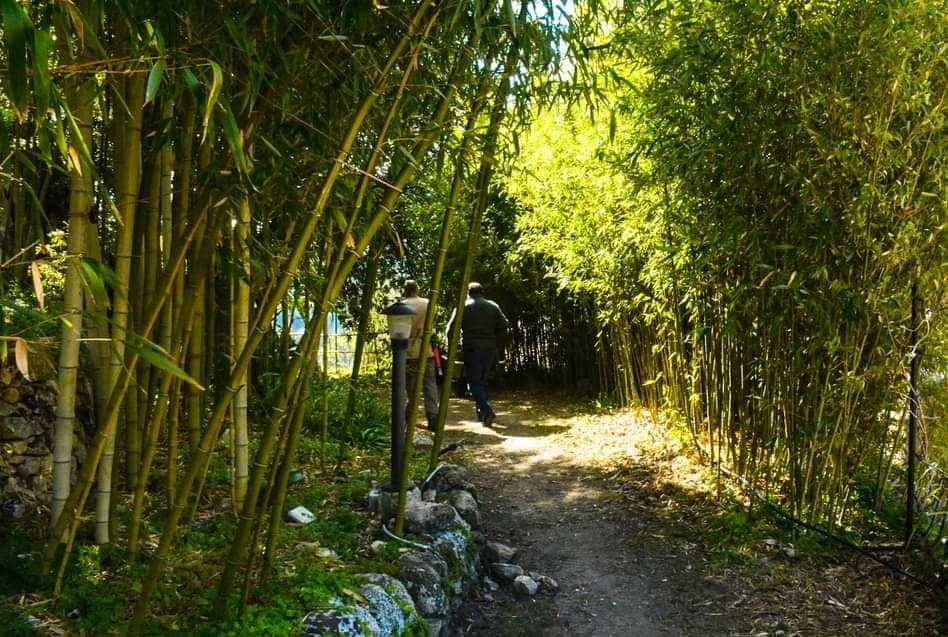
The “I Timpi” Exotic Garden is a secret green oasis nestled in the heart of the Casale district, a stone’s throw from Modica’s historic centre. Arranged on a natural terrace, it is a harmonious combination of Mediterranean vegetation and exotic plants, including over 40 species of bamboo from all over the world, including the precious Bambusa vulgaris “Wamin”. Created at the behest of Michelangelo Ferlanti and continued by his grandson Napolitano, the garden is now managed by the Movimento Azzurro, which opens it up to visits by appointment, educational workshops, sunset concerts and sensory trails. It offers an evocative and relaxing view of the city, representing an extraordinary combination of nature, environmental culture and urban regeneration. The “I Timpi” Garden is a green, usable, educational lung and symbol of sustainable regeneration. It is an unmissable stop for those seeking a different experience, immersed in greenery and contemplation, a stone’s throw from the Baroque heart of Modica.