Church and Convent of Santa Maria della Croce

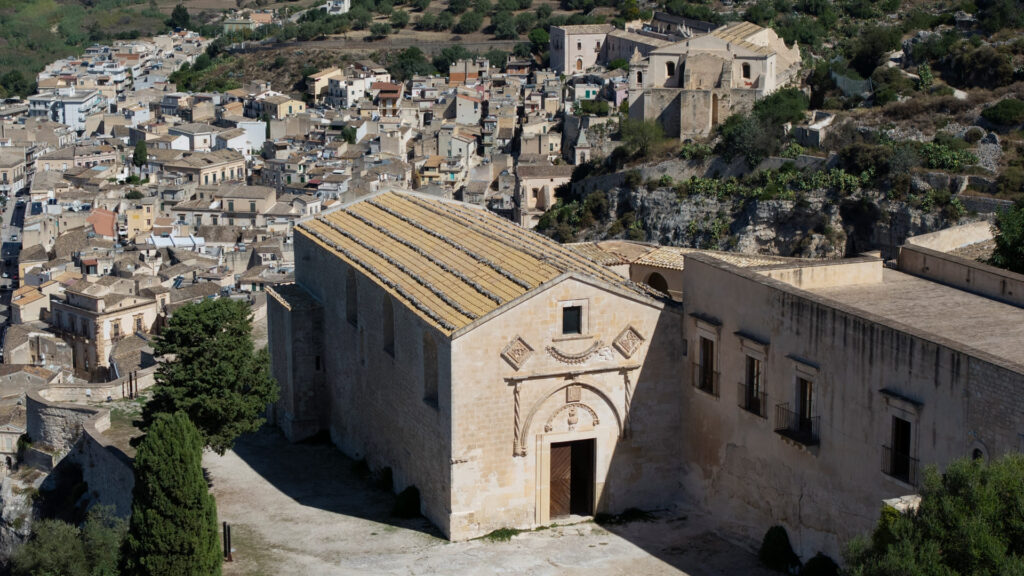
The Church and Convent of Santa Maria della Croce stand atop the hill of the same name—known as the “Hill of the Cross”—in the heart of Scicli’s historic center. The complex likely dates back to the late 15th or early 16th century, as suggested by the inscription “1528” found on a decorative element on the side. Over the centuries, the site has undergone several transformations that shaped its Renaissance and Baroque appearance, especially following the damage caused by the 1693 earthquake. The complex includes a single-nave church and a convent featuring a distinctive inner cloister, historically associated with the religious order of the Crociferi. The richly decorated interiors contain frescoes, stuccoes, and sacred artworks of great artistic and spiritual value, making this site a significant religious, cultural, and historical landmark for the city of Scicli and its people.
Church of San Matteo

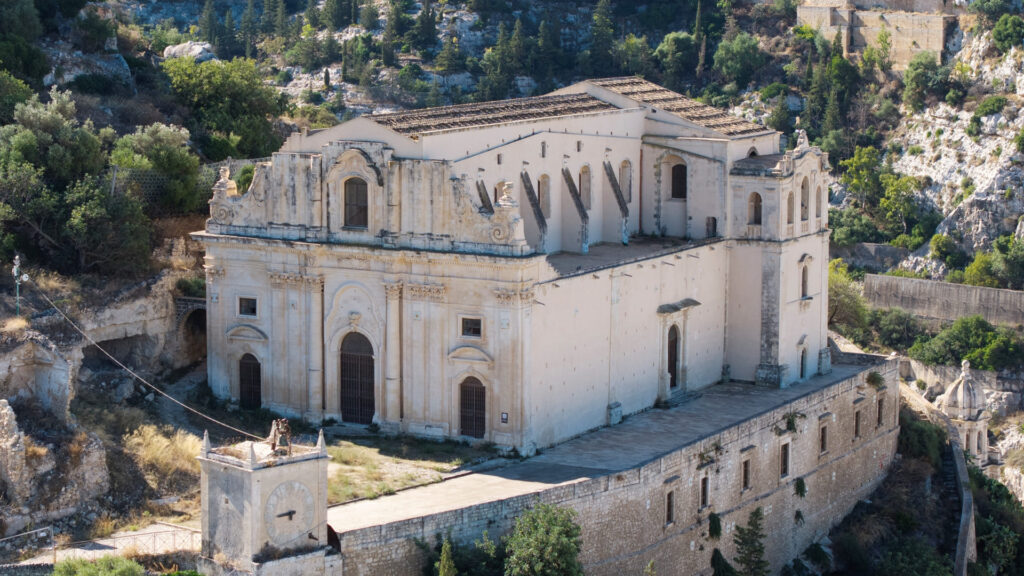
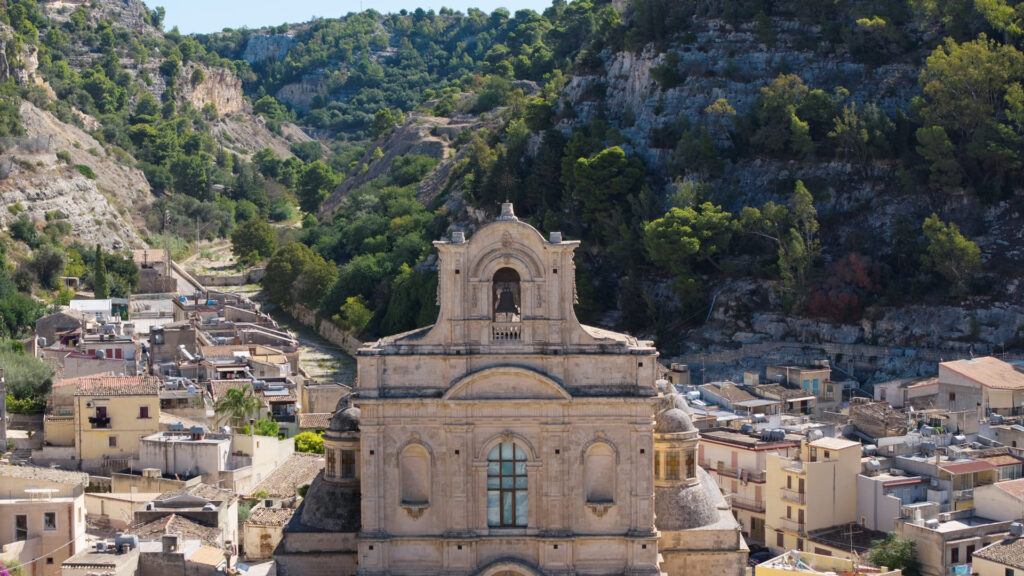
A historical and cultural symbol of Scicli, the Church of San Matteo stands atop the hill of the same name, offering a breathtaking panoramic view of the city and the surrounding landscape. Its origins date back to the 11th century, making it one of the oldest and most important churches in the area. After suffering severe damage in the 1693 earthquake, the church was rebuilt in Baroque style, although the façade was never completed, giving the structure a unique and distinctive appearance. For many centuries, it served as the mother church of Scicli, a spiritual center and reference point for the community, until it was replaced in the 19th century by the larger and more modern Church of Santa Maria La Nova. Although now closed for worship, with bare yet historically rich interiors, the Church of San Matteo remains an important symbol of the city’s historical identity and a scenic viewpoint cherished by both visitors and locals.

Church of Santa Maria La Nova

The Church of Santa Maria La Nova, located in the historic center of Scicli, has ancient origins, with documented references dating back to the 14th century. The building suffered severe damage during the 1693 earthquake that struck the entire Hyblean region, making a long and complex reconstruction necessary. Work began in the second half of the 18th century and was completed only in 1857, when the church was reopened for worship. The current façade, in neoclassical style, is the result of 19th-century interventions that gave it its sober and elegant appearance. Inside, the Latin cross layout unfolds into three naves, richly decorated with refined stuccoes and housing sacred artworks of great value. On the main altar stands the statue of Our Lady of the Snow, a particularly venerated figure by the local community. The church remains an important religious and cultural landmark for the city of Scicli.

Montalbano’s Cinematic Itineraries

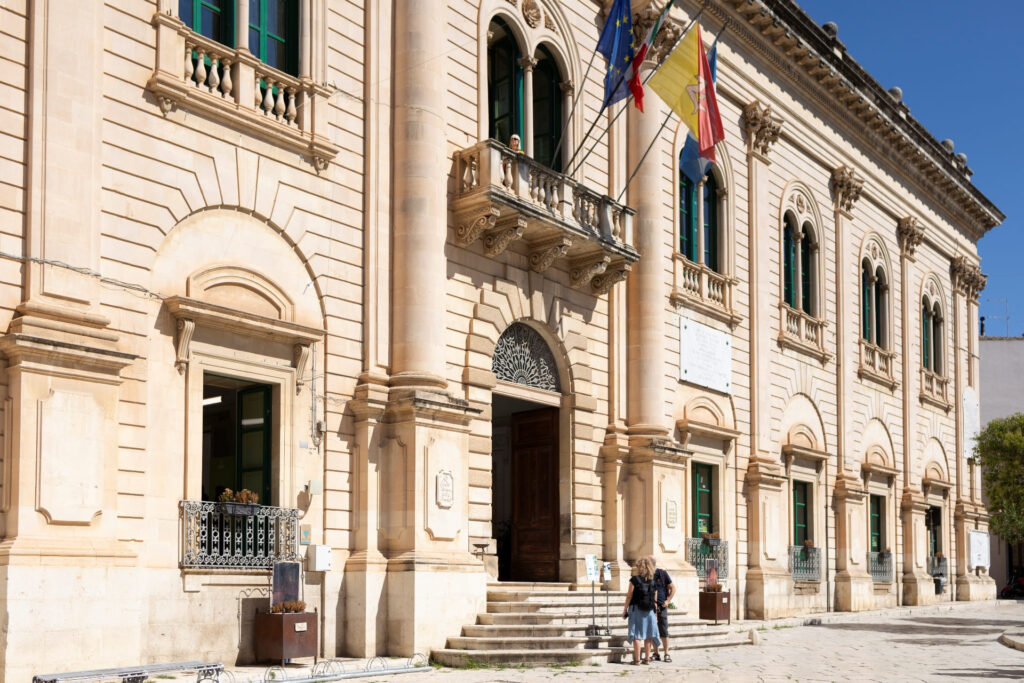
The film-themed tours dedicated to Inspector Montalbano in Scicli guide visitors through the evocative streets, squares, and monuments that served as the backdrop for the investigations and adventures of the famous inspector created by Andrea Camilleri. The baroque historic center of Scicli thus becomes a large open-air set, offering a unique experience that blends art, history, and entertainment. Among the most well-known stops are Piazza Italia, with its lively urban atmosphere, the Church of San Bartolomeo, and the Antica Farmacia Cartia, a true historical and cultural gem. These locations allow fans of the series to relive its most iconic scenes by immersing themselves in the real settings of the TV fiction. These themed tours not only enhance Scicli’s rich architectural and artistic heritage but also promote experiential tourism, helping to solidify the city’s international fame through the Montalbano phenomenon. It is a cultural and tourist offering that attracts visitors from all over the world—enthusiasts of literature, cinema, and unique landscapes.

The panoramic viewpoints of Scicli

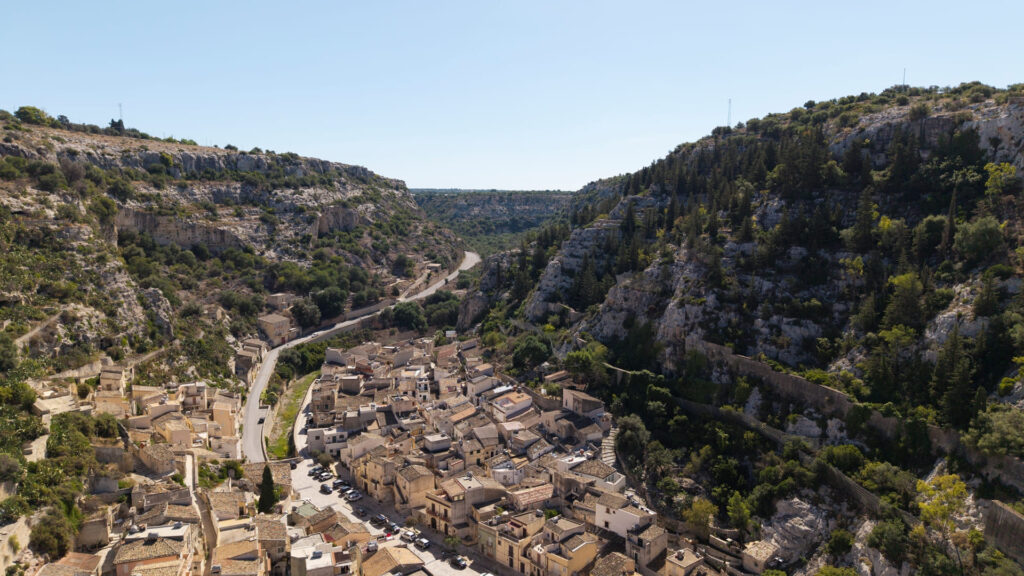
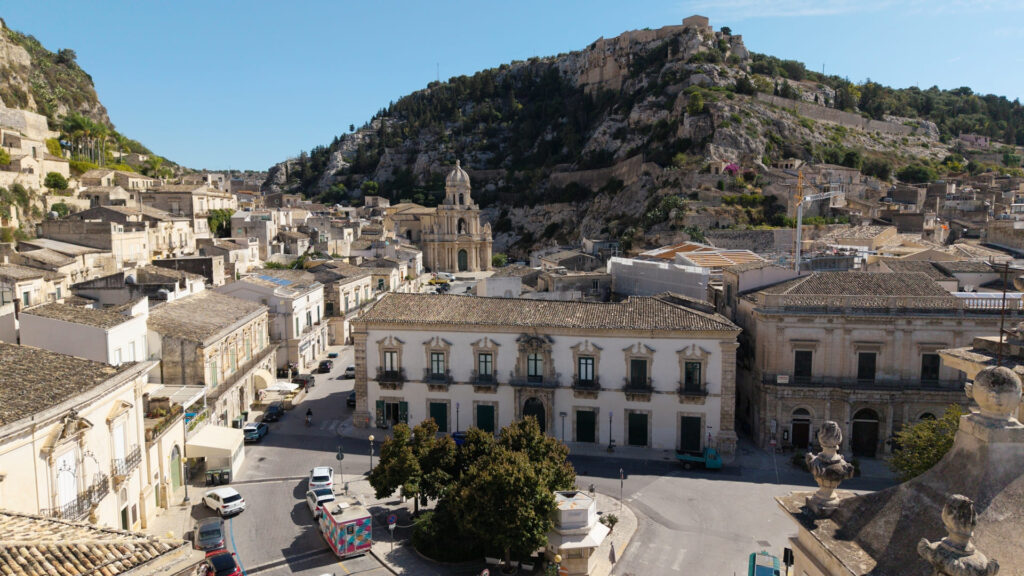
The panoramic viewpoints of Scicli are true natural balconies from which one can admire the baroque heart of the city and the evocative surrounding valleys. Climbing to the hill of San Matteo, one of the most iconic places, offers a breathtaking view of the historic center, where churches, palaces, and winding alleys form a fascinating urban tapestry. From the hill of La Croce, the gaze stretches over lush countryside and the rolling Iblean Mountains, a landscape that reveals the natural richness of the territory. Other viewpoints, such as those near Chiafura, offer stunning views of the sea and rural expanses, blending nature and architecture into a harmonious picture. These places are not only destinations for tourists and photography enthusiasts but are also an essential part of Scicli’s identity, telling its story and culture through the landscape. They are perfect for moments of relaxation, contemplative walks, and for admiring unforgettable sunsets that bathe the sky and the city’s baroque stones in warm hues.

San Bartolomeo Caves

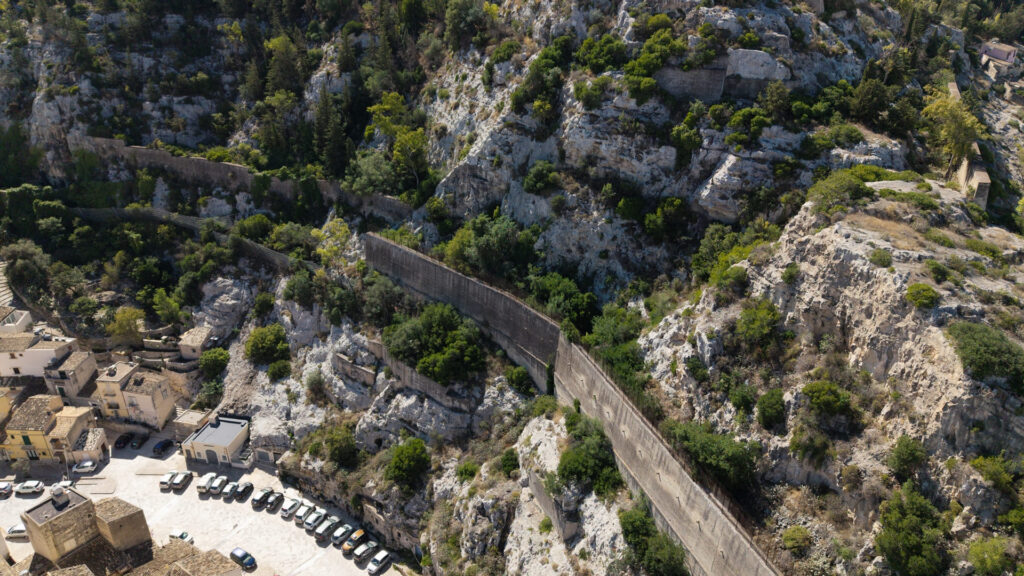
The San Bartolomeo Caves are located in a narrow and lush valley in Scicli, nestled between imposing calcarenite walls that enhance their natural charm. This rock-cut complex consists of numerous hand-carved cavities in the stone, which were used in past centuries as troglodyte dwellings, temporary shelters, and storage spaces by local communities. Some of the caves still display traces of architectural elements and functional excavations, bearing witness to a continuous use adapted to the needs of the rural population. The surrounding area, with terraced fields and nature trails, creates a landscape of rare beauty where nature and history blend harmoniously. Today, the caves offer valuable testimony to traditional forms of habitation and daily life in the Iblean territory, providing a unique opportunity to immerse oneself in the rural past of this part of Sicily.

Church of San Michele Arcangelo

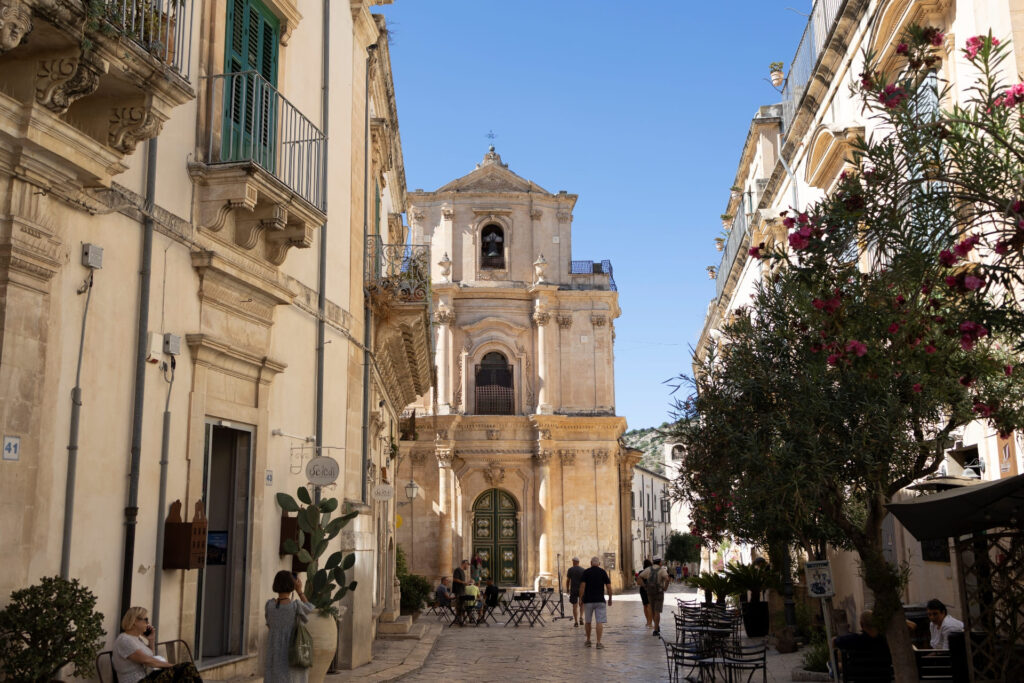
The Church of Saint Michael the Archangel is located in the heart of Scicli’s historic center, along the charming Via Francesco Mormina Penna, recognized as a UNESCO World Heritage Site for its exceptional artistic and cultural value. Completely rebuilt after the devastating 1693 earthquake that struck the Val di Noto, construction began in the 18th century and was completed around 1750. The building features a simple and harmonious façade made of local stone, blending perfectly with the surrounding architectural context. The interior, with a single nave, is free from excessive ornamentation, yet preserves a strong sense of spirituality and contemplation. The church is dedicated to Saint Michael the Archangel, a symbolic figure of protection and justice, and is considered a significant example of Baroque religious architecture, reflecting the faith and history of Scicli.

Palace Fava

Located in Scicli’s Piazza Italia, Palace Fava is a historic residence dating back to the late 18th century. The building is notable for its unique urban layout, with two main façades facing Via San Bartolomeo and Via Castellana, highlighting its importance within the city’s monumental and historical fabric. Built in the Sicilian late Baroque style, the palace is distinguished by elegant wrought iron balconies, moulded cornices, and understated local stone portals, which enhance its refined architectural presence. Although currently privately owned and not regularly open to the public, Palazzo Fava remains a significant contributor to the identity and prestige of Scicli’s historic center, one of the jewels of the Val di Noto, renowned for its exceptional artistic and cultural heritage.

Donnalucata

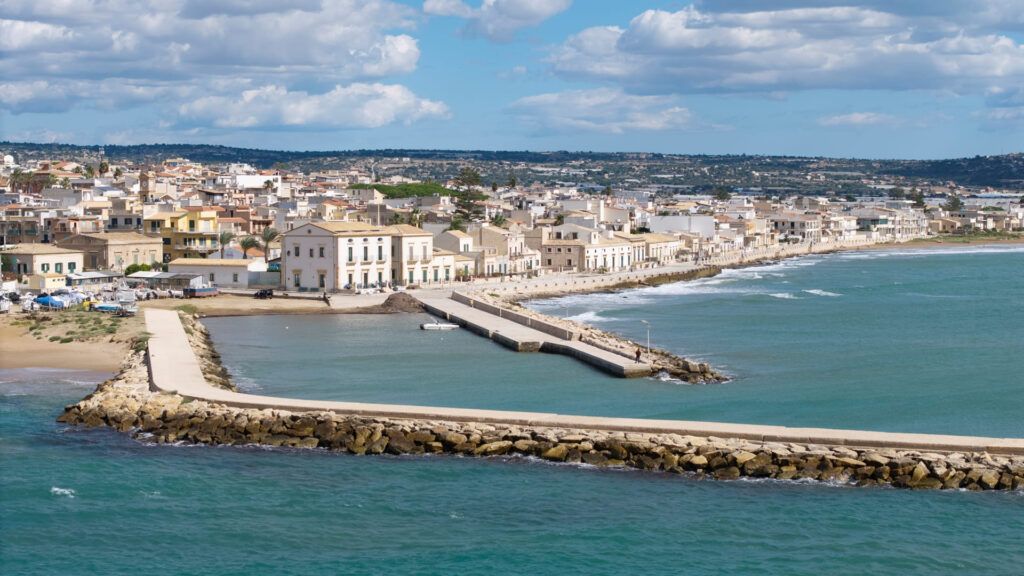
Donnalucata, a seaside hamlet of Scicli, is a charming village overlooking the Mediterranean Sea, renowned for its golden beaches, fishing port, and authentic atmosphere. Its name likely derives from a freshwater spring that emerges near the shoreline, around which the first settlement developed. Historically tied to fishing and maritime trade, the village has preserved its traditional character over time. One of its landmarks is the Church of Saint Catherine of Siena, built in the 19th century in a panoramic position. Donnalucata also gained widespread fame thanks to the TV series Inspector Montalbano, which showcased its timeless charm. Even today, the village retains a genuine spirit, with colorful boats, fish markets, and the scents of seafood cuisine, offering an experience rich in sea, history, and Sicilian culture.

The Pino d’Aleppo Oriented Nature Reserve

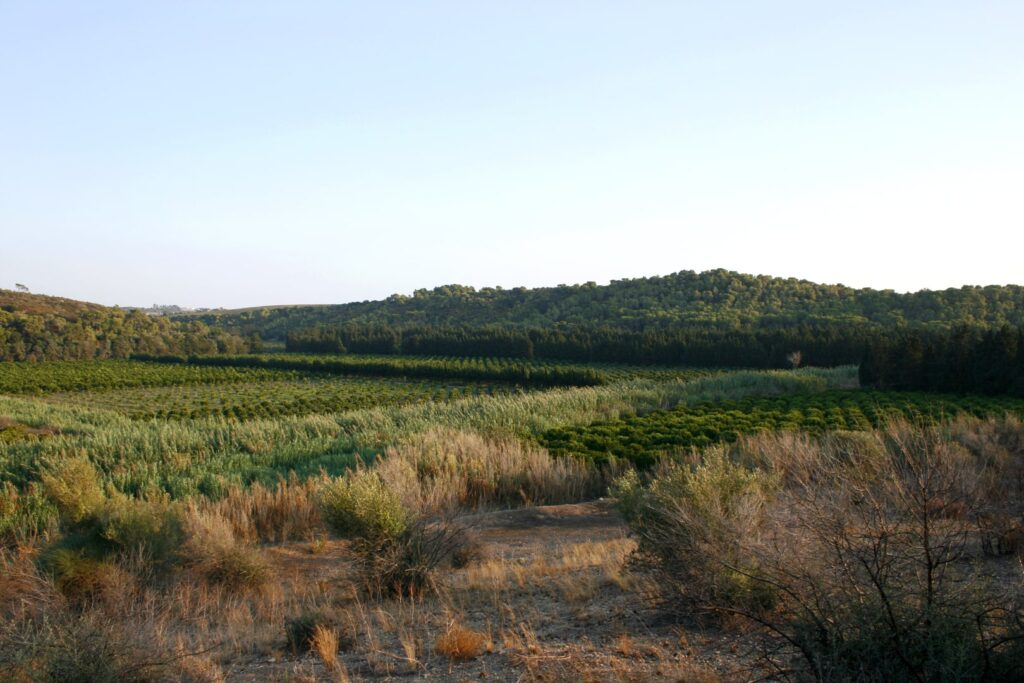
The Pino d’Aleppo Oriented Nature Reserve spans approximately 3,000 hectares across the territories of Vittoria, Comiso, and Ragusa. Established in 1990, it is one of the largest protected regional areas and is home to the last natural stand of Pinus halepensis (Aleppo pine) in Sicily, part of the Natura 2000 Network (SCI Vallata del fiume Ippari). The vegetation includes pine forests, Mediterranean scrub, riparian zones, and extensive colonies of wild orchids. The fauna is highly diverse: many mammals and birds — including birds of prey and migratory species — coexist with reptiles and amphibians. The reserve is a valuable center for environmental studies, education, and sustainable tourism, offering hiking trails through woods and along the Ippari riverbanks. Managed by the Free Consortium of Ragusa, it faces challenges such as wildfires and river maintenance but remains a vital green lung for the Hyblean area.