Marina di Modica

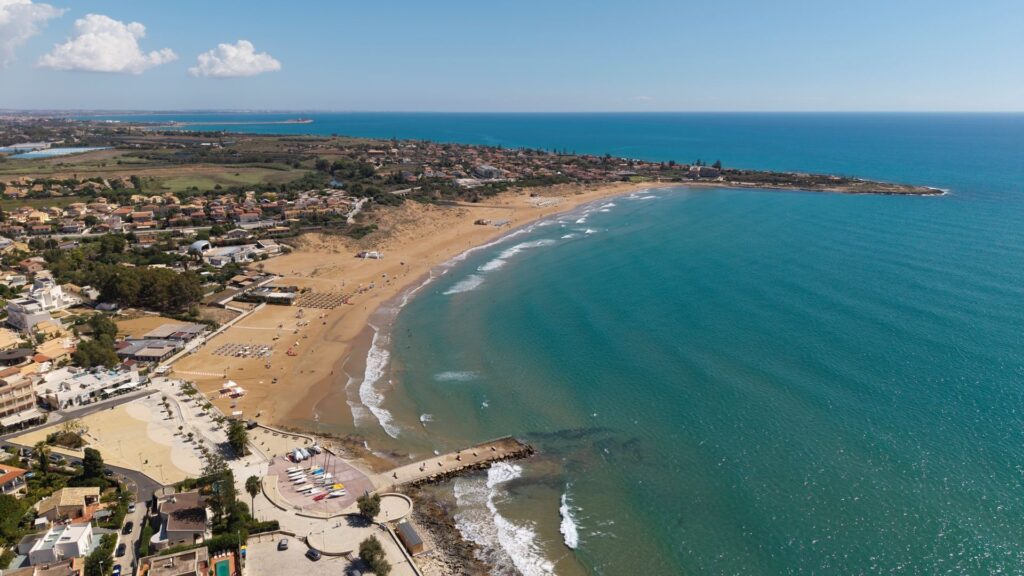
Marina di Modica is a lively and welcoming seaside resort located on the south-eastern coast of Sicily, overlooking the Mediterranean Sea and belonging to the municipality of Modica. Born as a small fishing village, over time it has developed into one of the most popular tourist destinations in the area, without losing its authenticity and relaxed character. It is known for its long, golden beach, lapped by crystal-clear waters and framed by a wind-shaped shoreline that attracts surfing, windsurfing and water sports enthusiasts every year. The mild climate for much of the year and the quality of the marine environment make it ideal for relaxing holidays and contact with nature. The heart of the resort is the central square, the hub of social life, and the waterfront, which in summer comes alive with cultural events, markets, concerts and moments of conviviality. Marina di Modica is the perfect place for those seeking sun, sea and authentic Hyblean hospitality.
Quarry of “Servi”

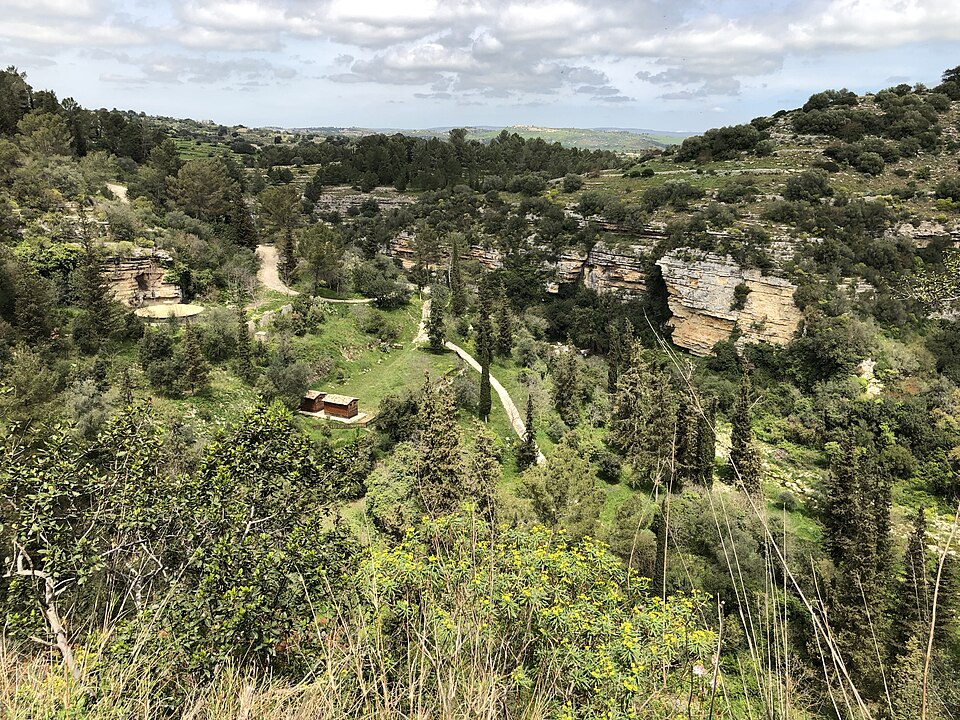
Quarry of “Servi” is an evocative natural gorge nestled in the Monti Iblei, modelled over the millennia by the Tellesimo torrent, which has carved its bottom, creating spectacular landscapes. It lies on the border between the territories of Modica and Rosolini and is distinguished by its typically Mediterranean lush vegetation, limestone cliffs and a still unspoilt environment where nature reigns supreme. This fascinating place preserves important archaeological evidence dating back to the Bronze Age, including dolmens, cave tombs and remains attributed to the Castelluccio culture, attesting to the ancient human presence in this area. Of particular note is the Gorgo della Campana, an evocative natural cavity rich in water and legend. Cava dei Servi is today a privileged destination for hikers, scholars, naturalists and archaeology enthusiasts, who can enjoy a unique experience here in contact with the history and landscape of the Hyblean mountains.

The Pizzo Belvedere

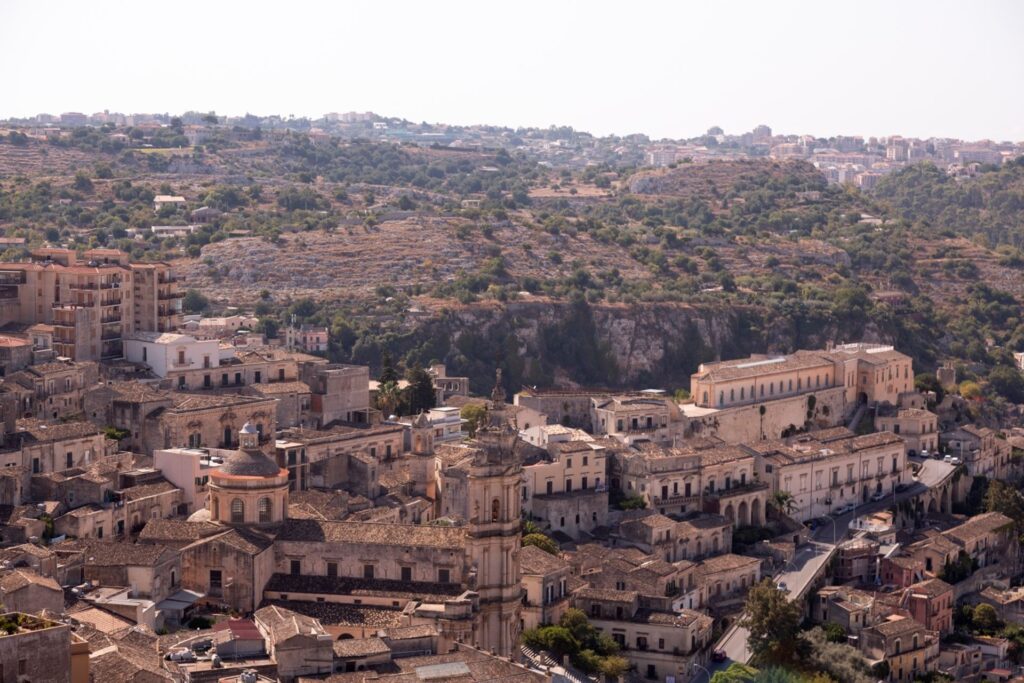
The Pizzo Belvedere is one of Modica’s most iconic and representative viewpoints, a place that captures the very essence of the Baroque city. Located in the upper part of the town, the belvedere majestically overlooks the entire historic center, offering an unparalleled view that encompasses the main monuments, the winding medieval alleys, the stairways carved into the rock, and the characteristic houses built of local stone, cascading down the hills. From this natural terrace, you can admire the Duomo of San Giorgio in all its magnificence, the symbol of the city, its dramatic façade rising above the urban fabric below. The panorama from here, especially at sunset, is intensely emotional: the golden light enhances the architectural details and the landscape takes on warm, enveloping hues. It is an unmissable destination for photographers, travelers, and enthusiasts of Sicilian beauty.

The Belvedere dell’Idria

The Belvedere dell’Idria is one of Modica’s most fascinating and evocative viewpoints, set in the heart of the historic centre and located right next to the Baroque church of the same name, dedicated to the Madonna dell’Idria. This place offers a breathtaking view of the town of Modica Alta, characterised by a dense network of houses perched on the rock, winding alleys, red tile roofs, ancient stairways and golden limestone façades that reflect the sunlight in a unique way. From this privileged vantage point, one can admire the complex and articulated urban layout of the town, created by adaptation to the orography of the terrain, and appreciate the harmonious balance between nature, architecture and historical memory. It is an ideal destination for those who wish to observe the authentic soul of Modica from above, perfect for photographers, visitors and enthusiasts of the Iblei Baroque heritage.

The “Franco Libero Belgiorno” Civic Museum

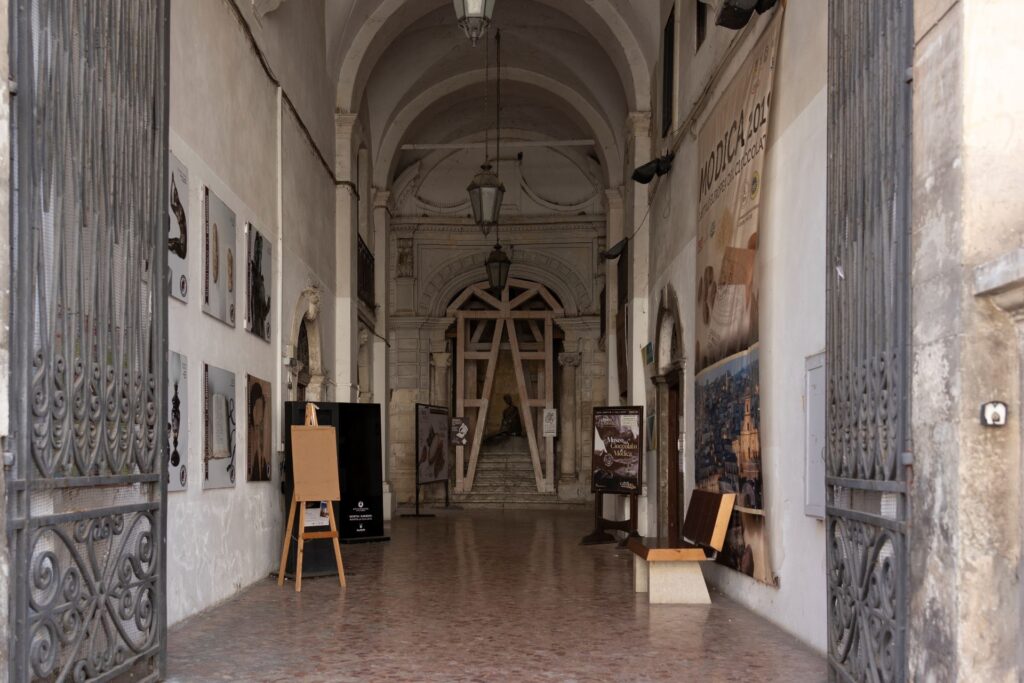
The “Franco Libero Belgiorno” Civic Museum, established in the 1950s and housed in the evocative Palazzo della Cultura in Modica, holds one of the most important archaeological and historical collections in the Hyblean territory. The collections, mainly from the excavations in Cava Ispica, cover a time span from prehistory to the Middle Ages and include ceramics, votive objects, coins, utensils and religious artefacts, thus offering a complete and fascinating picture of the life and culture of the territory’s ancient populations. The museum is named after Modican archaeologist Franco Libero Belgiorno, a key figure in the promotion of excavations and the protection of local heritage. In addition to the permanent exhibition, the museum regularly hosts temporary exhibitions and educational activities for schools and visitors, establishing itself as a fundamental point of reference for the culture and history of Modica and the entire Hyblean area.

The Water Mill – Cave Museum

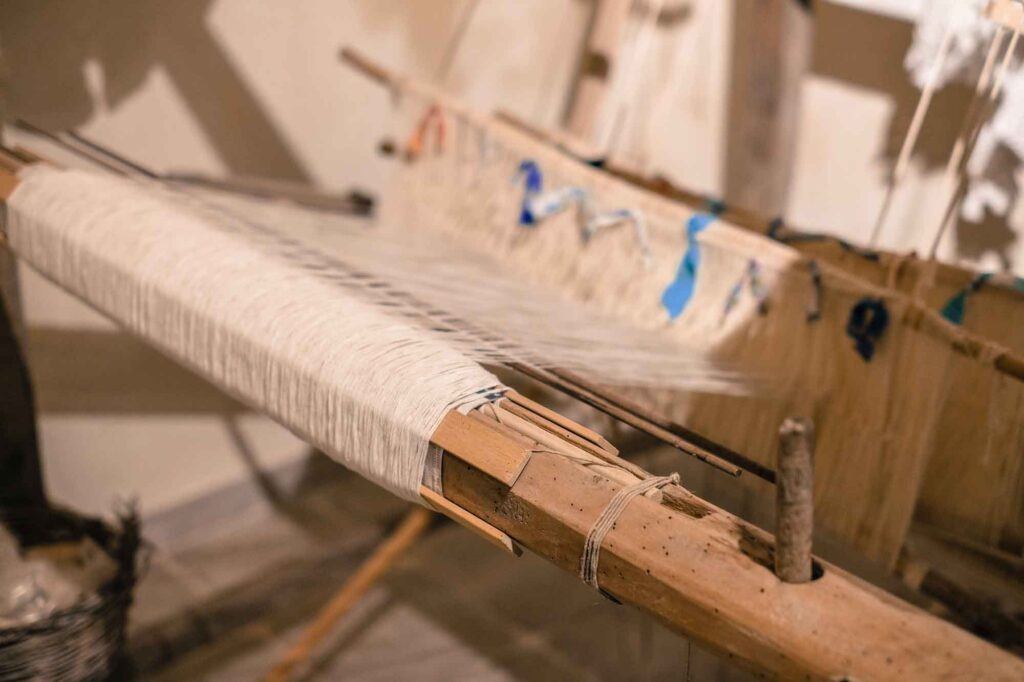
The Water Mill – Cave Museum, located in the picturesque Cava Ispica in Modica, is an extraordinary example of rural archaeology and local farming tradition. Built in the 18th century and remaining operational until the 20th century, it represents the last working water mill in the area, bearing witness to ancient farming techniques. The museum is developed in a system of rooms excavated in the rock and stone structures, including cave dwellings, stables and rooms dedicated to milling. Inside, original tools from the period are on display and practical demonstrations are organised to tell the story of daily life and farming activities in historic Modica. This site offers visitors an authentic immersion in local culture and traditions, enhancing the balanced relationship between nature and history that profoundly characterises the area.

The Church of Santa Maria del Soccorso

The Church of Santa Maria del Soccorso, located in Corso Umberto I in Modica Bassa, is a precious testimony to the town’s religious and architectural history. With ancient origins, it was rebuilt in Baroque style after the devastating earthquake of 1693, which deeply marked the area. The building is characterised by a sober but elegant façade, made of local stone, with a finely decorated Baroque portal and a bell gable tower that rises discreetly above the urban skyline. Inside, the single nave is enriched with refined stuccoes and side altars that testify to the devotion and sacred art of Modica. Among the most important works is the wooden statue of Our Lady of Succour, an object of deep veneration by the local population. Even today, the church plays an active role in the religious life of the city, representing a significant presence and a landmark along the main axis of Modica’s historical centre.

Church of San Nicola

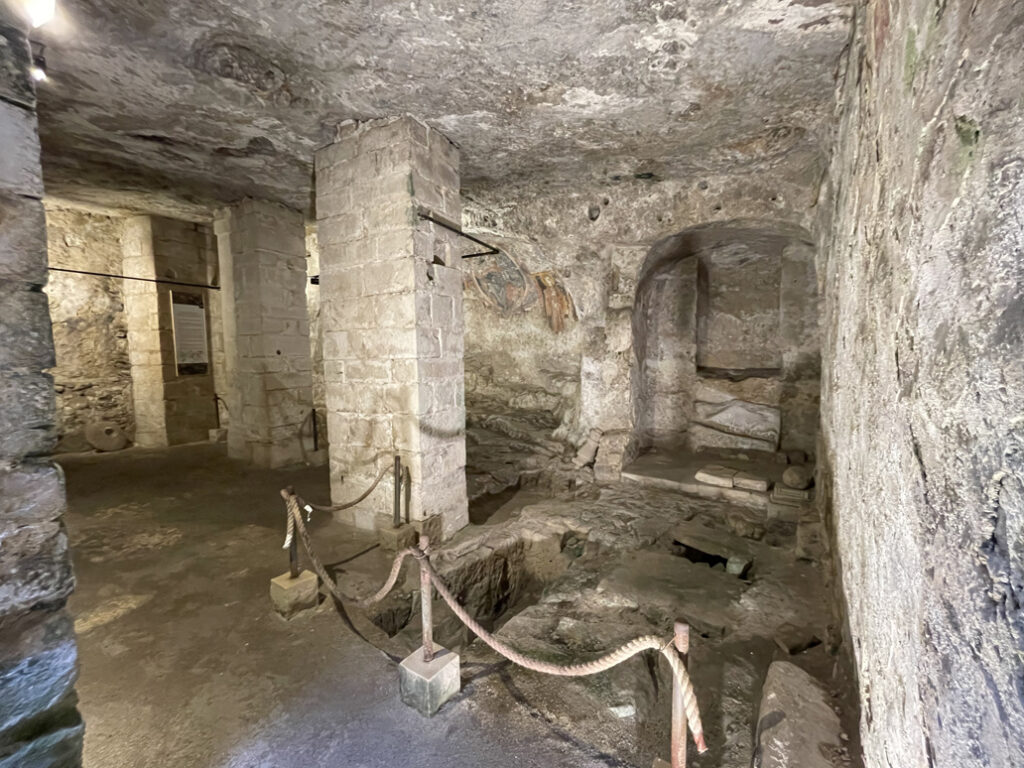
The church of San Nicola, located in the picturesque Cava Ispica in Modica, is one of the most fascinating and ancient examples of religious rock architecture in the Hyblean territory. Excavated entirely in the rock between the 6th and 9th centuries, this small church presents a simple but significant structure, with a semicircular apse and several votive niches that testify to the intense devotion of the faithful at the time. The interior, essential and cosy, preserves traces of Byzantine frescoes that tell the religious and artistic history of the place. Set in a natural and archaeological context of great value, the church is no longer officiated at but remains a precious spiritual and cultural legacy, a symbol of the spread of Christianity in the rural areas of Modica and a living testimony to the historical roots of the territory.

Palace Napolino-Tommasi Rosso

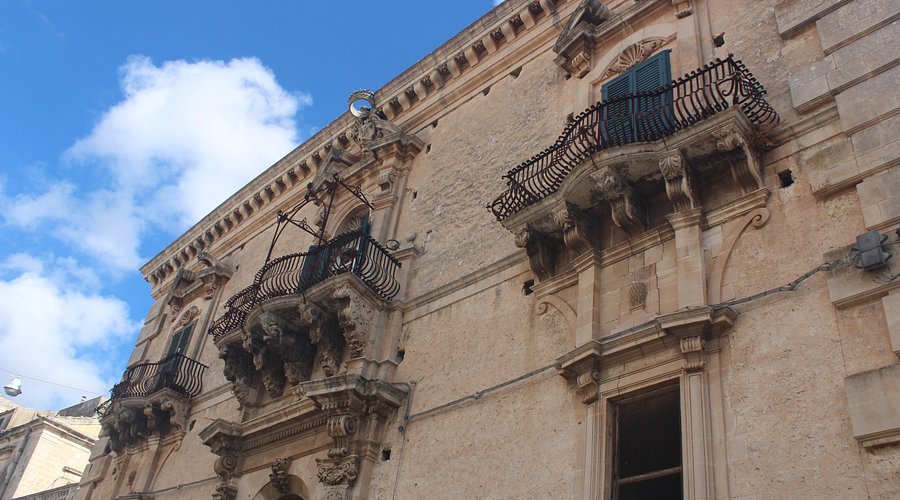
The Palace Napolino-Tommasi Rosso, located on Corso Francesco Crispi in the historic centre of Modica, is a fine example of 18th-century civil Baroque architecture that testifies to the prestige and elegance of the local noble families. The local stone façade is characterised by finely worked wrought iron balconies and a carefully sculpted entrance portal, elements that give the building a harmonious and refined appearance. Inside, when accessible, the rooms are distinguished by their frescoed ceilings and stucco decorations, skilfully crafted and capable of conveying the cultural and artistic richness of an era. The palace thus represents a precious testimony to Modica’s historical and artistic heritage, remaining one of the most important buildings in the city’s 18th-century urban fabric, helping to preserve Modica’s identity and historical memory.

Palace Grimaldi

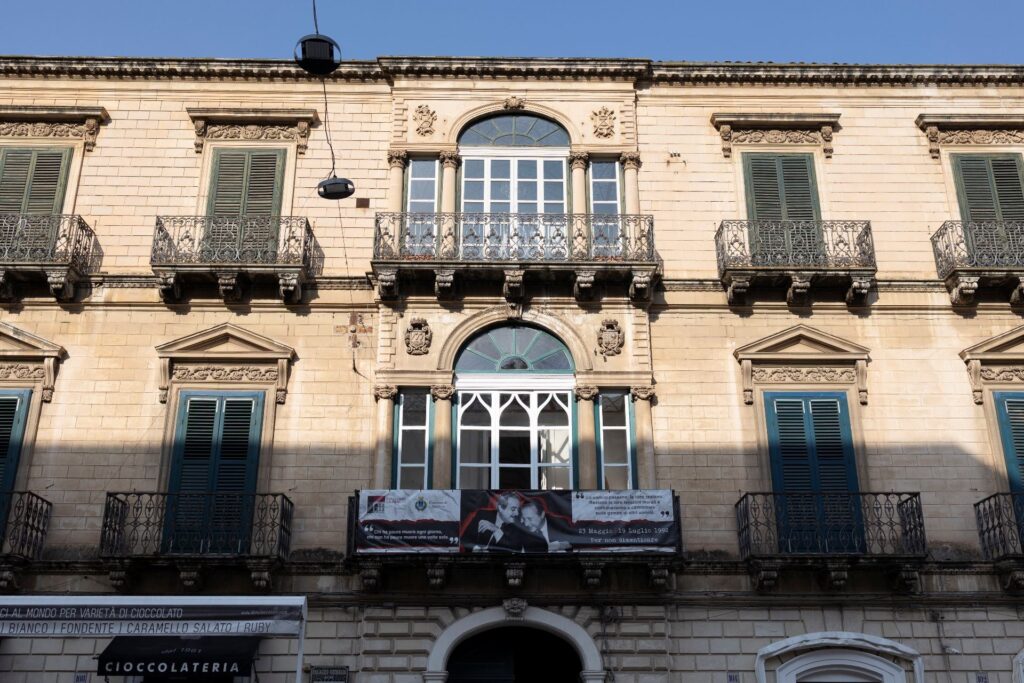
The Palazzo Grimaldi, located along the prestigious Corso Umberto I in Modica, is a splendid example of 18th-century civil Baroque architecture, reflecting the taste and high status of Modica’s nobility. The façade is distinguished by elaborate carved stone decorations and wrought-iron balconies, skilfully crafted and enriched with ornamental motifs typical of the period. The monumental, wide and scenic entrance leads to refined interiors, characterised by frescoes, fine stucco work and carefully decorated ceilings, which testify to the elegance and wealth of the original owners, the Grimaldi family. The interior also features an inner courtyard and grand staircases, which contribute to an atmosphere of nobility and prestige. Today the palace is used as a private residence or for cultural events, keeping alive the link with Modica’s aristocratic and artistic history, and is an important testimony to the city’s Baroque civil heritage.