Republic Square

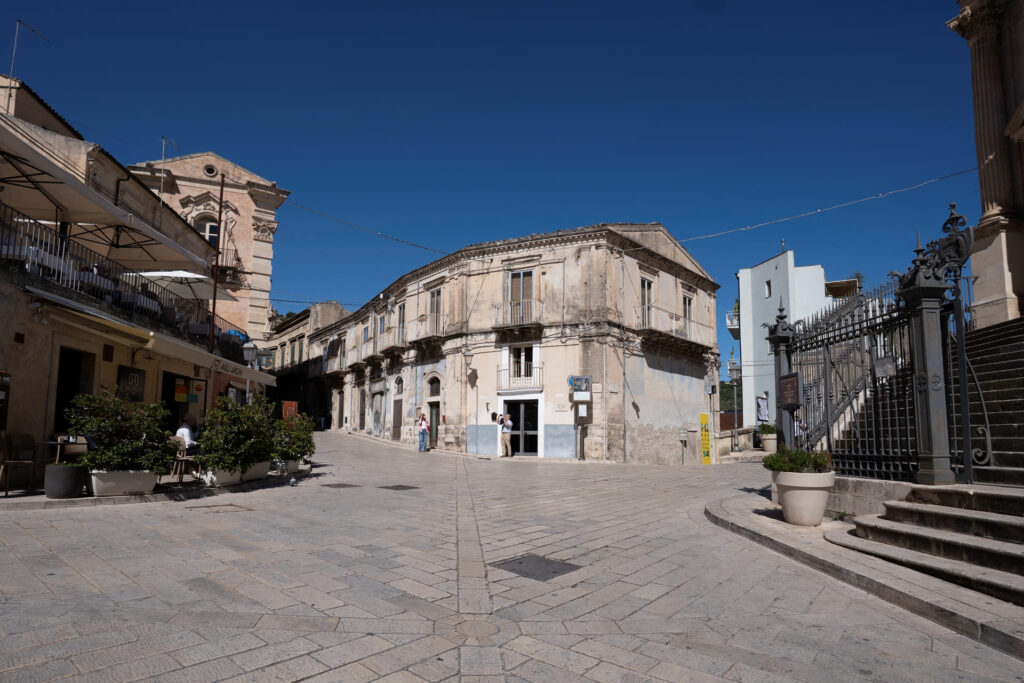
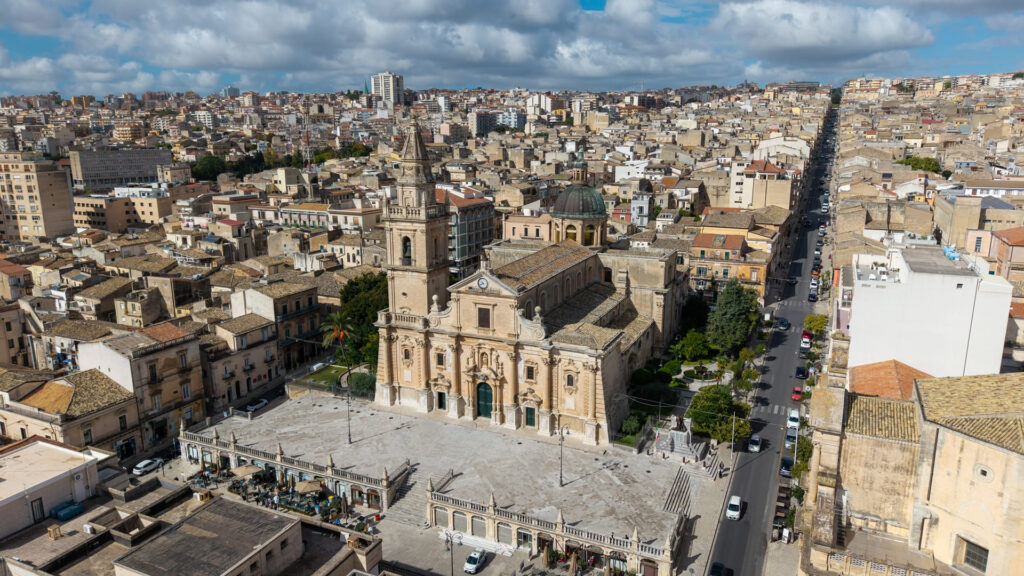
Republic Square is one of the most significant and popular public spaces in Ragusa Ibla, the true historical, social and cultural heart of the city. This large and scenic square is surrounded by elegant Baroque buildings of great artistic value, emphasising its importance and central role in the urban fabric. Frequented daily by residents and tourists alike, the square hosts numerous public events, traditional markets, festivals and events that contribute to keeping local culture and traditions alive. A meeting, strolling and socialising point, Piazza della Repubblica is an emblematic place where the identity and history of Ragusa Ibla is reflected, offering a suggestive and authentic glimpse of Baroque architecture and the community life of the city. It is an essential stop for those who wish to get to know the charm and soul of the historic centre.
Zacco Palace

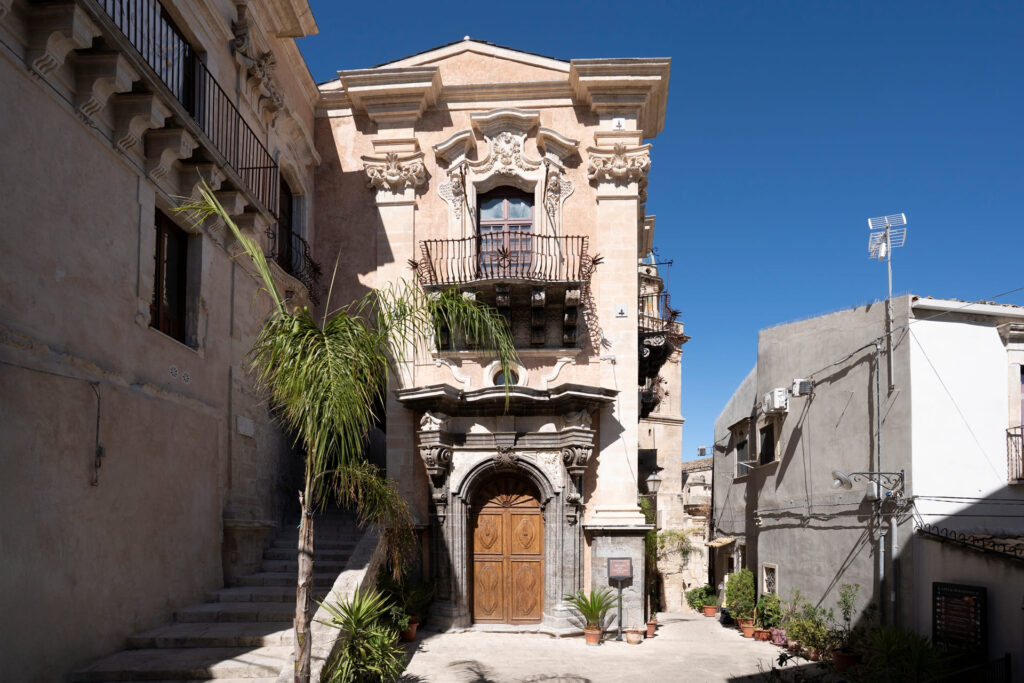
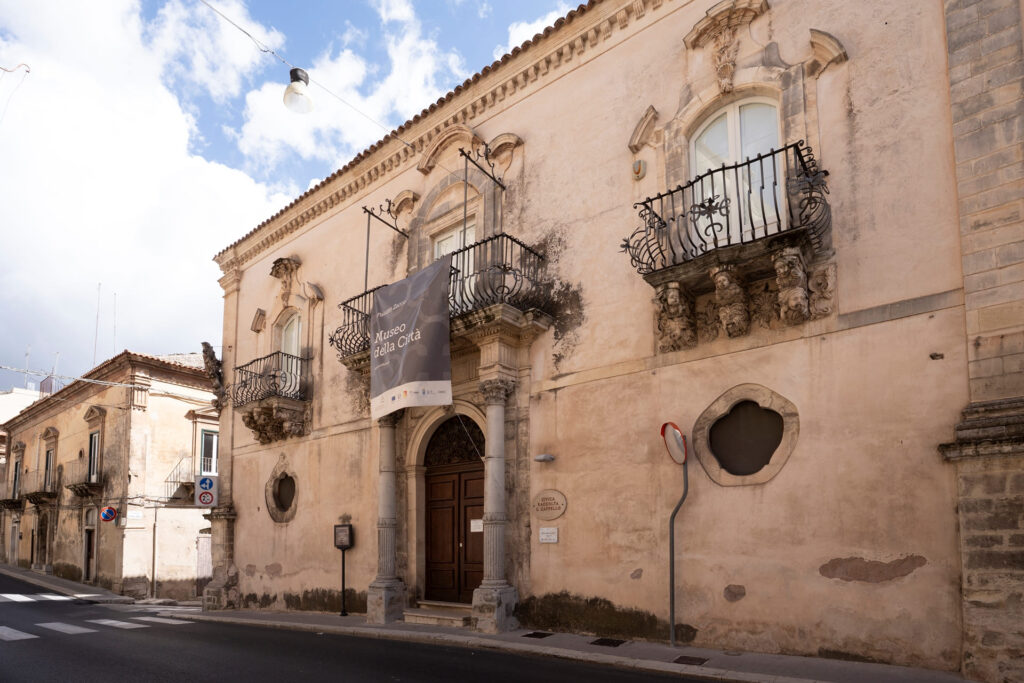
Zacco Palace, located on Via San Vito in Ragusa, is one of the finest and most representative examples of Sicilian Baroque. Built in the second half of the 18th century, it was the residence of the noble Zacco family, prominent members of the Ragusa aristocracy. The building is distinguished by its majestic façade, characterised by six monumental balconies supported by corbels sculpted with grotesque masks, anthropomorphic figures, fantastic animals and floral motifs, typical of the Ibleo Baroque inspiration. These decorative elements, lively and theatrical, give the building a scenographic and suggestive appearance. The interior preserves frescoes, decorated wooden ceilings and architectural details that testify to the taste and refinement of the period. Today, Palazzo Zacco is home to cultural institutions and hosts exhibitions and events, becoming a point of reference for the appreciation of Ragusa’s historical and artistic heritage. An essential stop for those exploring the Baroque heart of the city.

San Giovanni Square and San Giovanni Cathedral

Square San Giovanni is one of Ragusa’s main public spaces and is the beating heart of the city’s social, religious and cultural life. Large and scenic, the square is dominated by the majestic Cathedral of St John the Baptist, the city’s patron saint, built in the 18th century after the 1693 earthquake. The cathedral is distinguished by its imposing Baroque façade, decorated with sculptures, pilasters and stuccoes that testify to the high level of artistry of the time. The three-nave interior is embellished with monumental altars, important paintings and an 18th-century organ of great historical value. Piazza San Giovanni has always been the site of important religious celebrations, solemn processions, cultural events and concerts, becoming not only a spiritual but also a community reference point for the citizens of Ragusa. A symbol of identity, it is an essential stop for anyone visiting the city.

Old Bridge

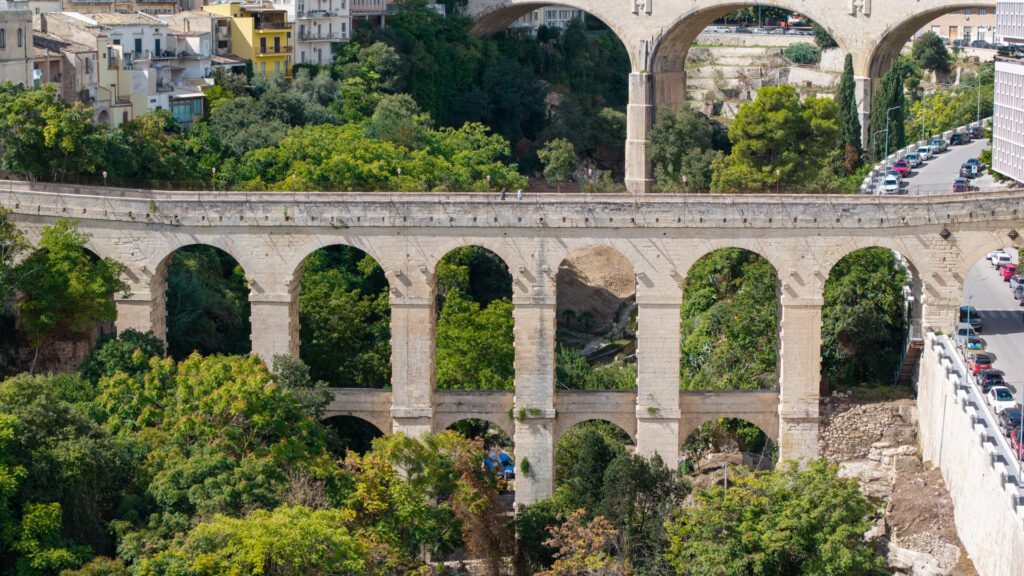
Ragusa’s Old Bridge, also known as the Capuchin Bridge, is located on Via Traspontino and is one of the city’s historical symbols. Constructed between 1837 and 1843, it represents an important work of 19th-century engineering, built in local stone with an arched structure that harmoniously links two historical city districts, facilitating communication between the urban areas divided by the valley. The bridge is distinguished by its sober elegance and landscape integration that makes it perfectly consistent with the architecture of the historic centre. Used for over a century as the main transit route, today it has been partially pedestrianised, becoming a popular place for citizens and tourists alike for scenic walks, photographic glimpses and moments of relaxation. The Ponte Vecchio is thus not only a historical infrastructure, but also an identity and evocative point that tells the urban and social history of Ragusa.

The Palace Vescovile Schininà di Sant’Elia

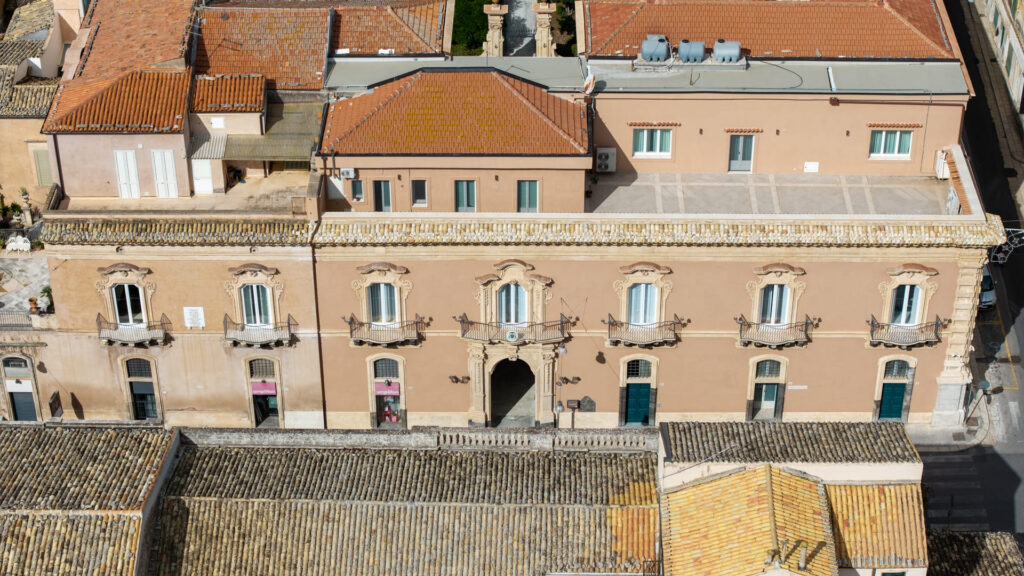
The Palace Vescovile Schininà di Sant’Elia, located on Via Roma in the heart of Ragusa, was built in the late 18th century as the elegant residence of the noble Schininà family. The façade is sober and austere, enriched by finely carved balconies and cornices in local stone, emphasising its stately character. Inside are refined rooms with frescoed ceilings, original decorations and period furnishings that tell the aristocratic history of the city. After World War II, the building was used as the seat of the Bishop’s Curia, becoming the official residence of the Bishop of Ragusa. This transition from private residence to ecclesiastical centre made the palace an important symbol of the city’s cultural and social transformation. Today, Palazzo Schininà continues to be an important reference point for Ragusa’s religious and cultural life, hosting events and official functions.

Palace La Rocca

Palazzo La Rocca, located on Via Capitano Bocchieri in Ragusa Ibla, is a fine example of late Baroque Sicilian architecture. Built between 1760 and 1780 at the behest of Baron Don Saverio La Rocca di Sant’Ippolito, the building has two floors with a façade approximately 50 metres long, enriched by eight balconies supported by pitch-stone corbels, each decorated with anthropomorphic figures and scenes of daily life. The main entrance features a portal with a goose-breasted upper balcony. Inside, an atrium with a double flight of pitchstone stairs and a floor decorated with white limestone inserts and majolica tiles leads to the noble rooms, which preserve 18th-century furnishings. The palace houses the MUSAC (Museum of the History of Architecture and Construction in the Mediterranean), managed by the A.St.R.A.Co. association, which promotes the local architectural heritage through exhibitions and cultural activities.

The Palace of Cancelleria

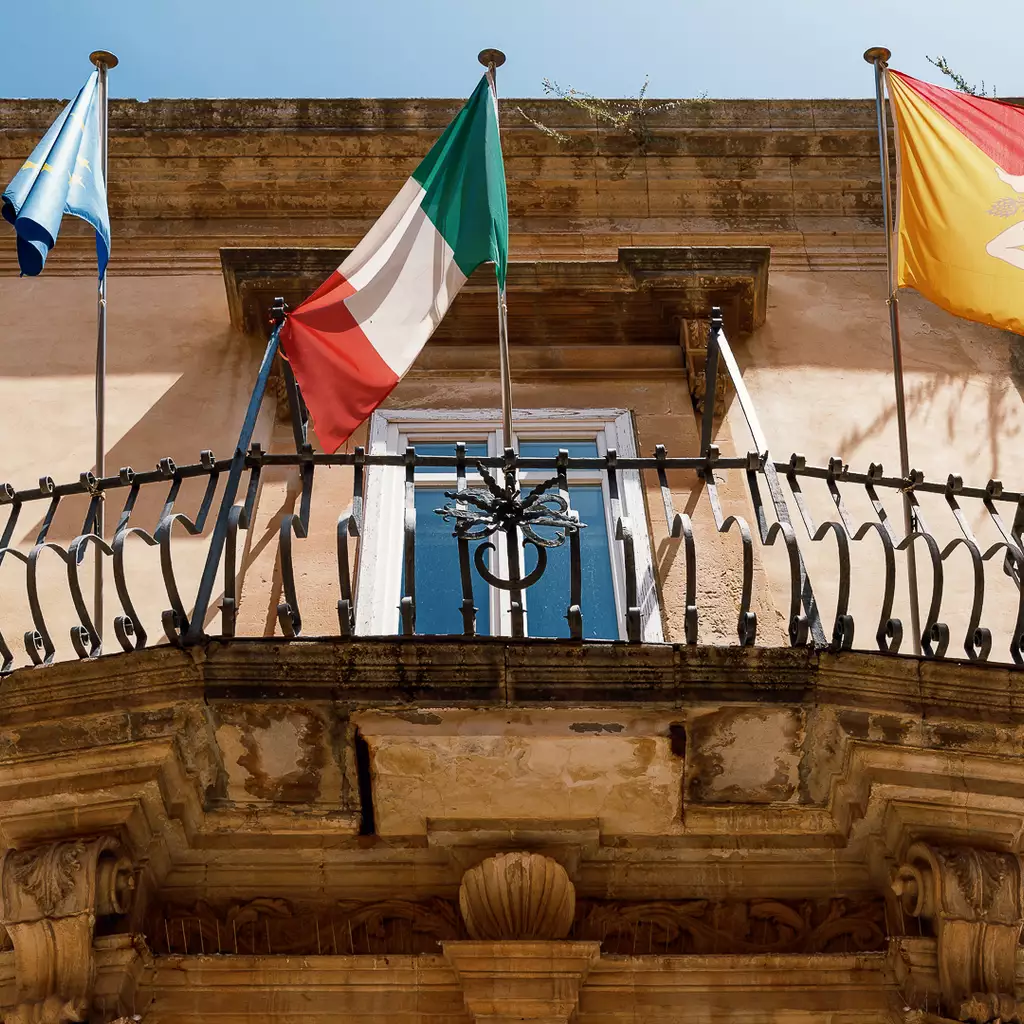
The Palazzo della Cancelleria, located along the charming Salita Commendatore in Ragusa Ibla, was erected in the 18th century to house the city’s administrative and judicial offices. Characterised by an elegant Sicilian Baroque style, the palace is distinguished by a sober but refined façade, enriched by a rusticated portal and a central balcony that emphasise its nobility and institutional function. After the devastating earthquake of 1693, the Palazzo della Cancelleria became one of the symbols of Ragusa’s civil rebirth, embodying secular power and the community’s desire for reconstruction. Over the centuries, it has maintained a central role in the city’s administration and today still houses municipal offices. In addition, it is sometimes used as a venue for temporary cultural exhibitions, thus reinforcing its connection to the social and cultural life of the city. It is one of the key monuments for understanding Ragusa’s institutional and architectural history.

The Castle of the Counts of Modica

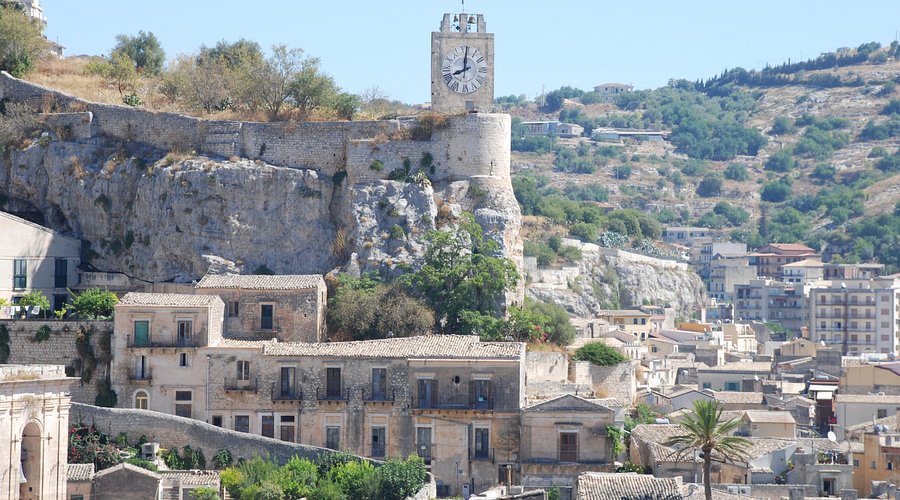
The Castle of the Counts of Modica is one of the city’s symbolic monuments and represents an important historical and architectural testimony. It stands in a dominant position on a rocky spur, whose sheer walls give the building a majestic and imposing appearance. The origins of the castle date back to medieval times, but the current structure is the result of later reconstructions, particularly after the devastating earthquake of 1693. For centuries, from the 14th to the 19th century, it was the seat of power of the County of Modica, one of the most important and influential fiefdoms of the Kingdom of Sicily. Of the ancient fortified structure, a 14th-century polygonal tower remains visible, as well as bastions, underground chambers and underground passages that add to its charm. From its summit there is a splendid view of Modica Alta and Bassa, among the most beautiful in the area. Today, thanks to recent restoration work, the castle can be visited and is part of the Val di Noto UNESCO heritage site.

The Valle del Tellaro

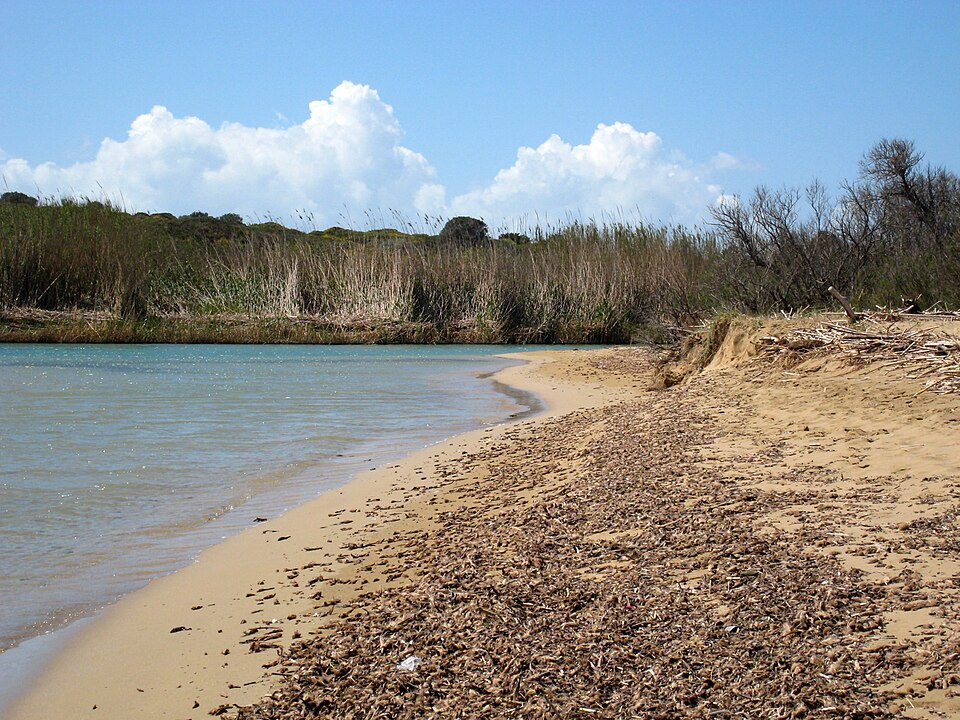
The Valle del Tellaro is an evocative river corridor that meanders between Modica and Noto, crossing deep gorges and calcarenitic cliffs and hosting a millenary heritage. In its rocks are Bronze Age tombs of the Castelluccio civilisation and the ruins of an ancient Sican fortress, while near the mouth is a refined Roman villa from the 4th century with extraordinary polychrome mosaics depicting hunting scenes and mythology. The Tellaro river flows clear among plane trees, willows, downy oaks and carobs, home to the macrostigma trout and a fauna typical of Sicilian river canyons. A fourth valley between Ragusa and Siracusa, historically a crossroads of cultures, today it is a destination for hikers, scholars and lovers of archaeology, trekking and birdwatching. A place where nature and history dialogue in an intact landscape, it offers immersive experiences among erosion, ancient mosaics and local biodiversity, with potential for development as a protected river reserve.

Maganuco

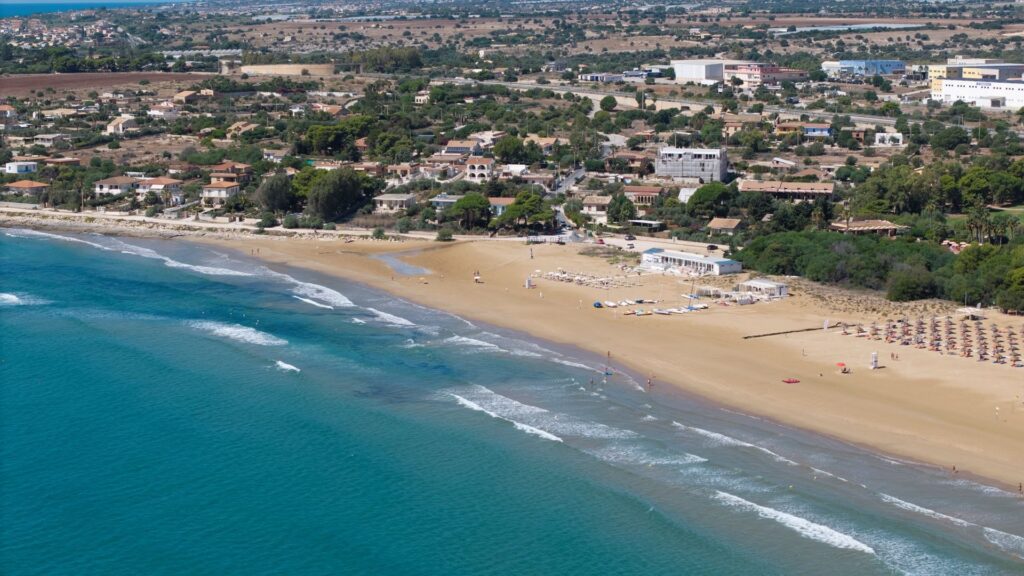
Maganuco is a small but significant coastal hamlet in the municipality of Modica, located along the south-eastern coast of Sicily, near the port of Pozzallo. Characterised by a wide beach of golden sand and clear, shallow waters, Maganuco is a popular destination during the summer season for those seeking tranquillity, clean sea and wide natural spaces. Although it has no historical buildings or monuments of note, the locality is of interest due to its role in the recent evolution of the area, particularly its proximity to the industrial and commercial pole of the port, which marked the economic development of the area. Here there are also some testimonies of industrial archaeology that tell of the transformation of the landscape and local production activities. The contrast between the natural landscape, the seaside presence and the industrial infrastructure gives Maganuco a unique identity, suspended between relaxation, modernity and contemporary memory.