
Dai resti greci di Kamarina alle grotte preistoriche della Cava d’Ispica, questo itinerario è perfetto per chi ama la storia più antica della Sicilia.
The Castle of the Counts of Modica
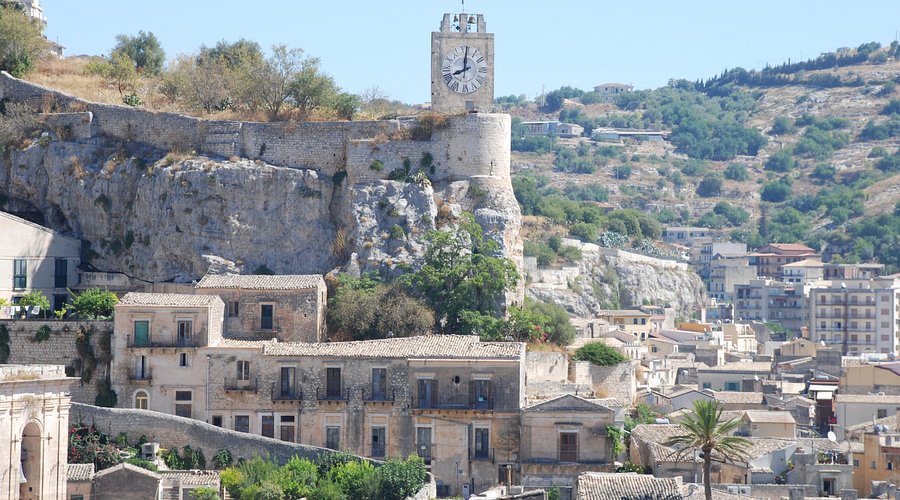
The Castle of the Counts of Modica is one of the city's symbolic monuments and represents an important historical and architectural testimony. It stands in a dominant position on a rocky spur, whose sheer walls give the building a majestic and imposing appearance. The origins of the castle date back to medieval times, but the current structure is the result of later reconstructions, particularly after the devastating earthquake of 1693. For centuries, from the 14th to the 19th century, it was the seat of power of the County of Modica, one of the most important and influential fiefdoms of the Kingdom of Sicily. Of the ancient fortified structure, a 14th-century polygonal tower remains visible, as well as bastions, underground chambers and underground passages that add to its charm. From its summit there is a splendid view of Modica Alta and Bassa, among the most beautiful in the area. Today, thanks to recent restoration work, the castle can be visited and is part of the Val di Noto UNESCO heritage site.
The Archaeological Park of Kamarina
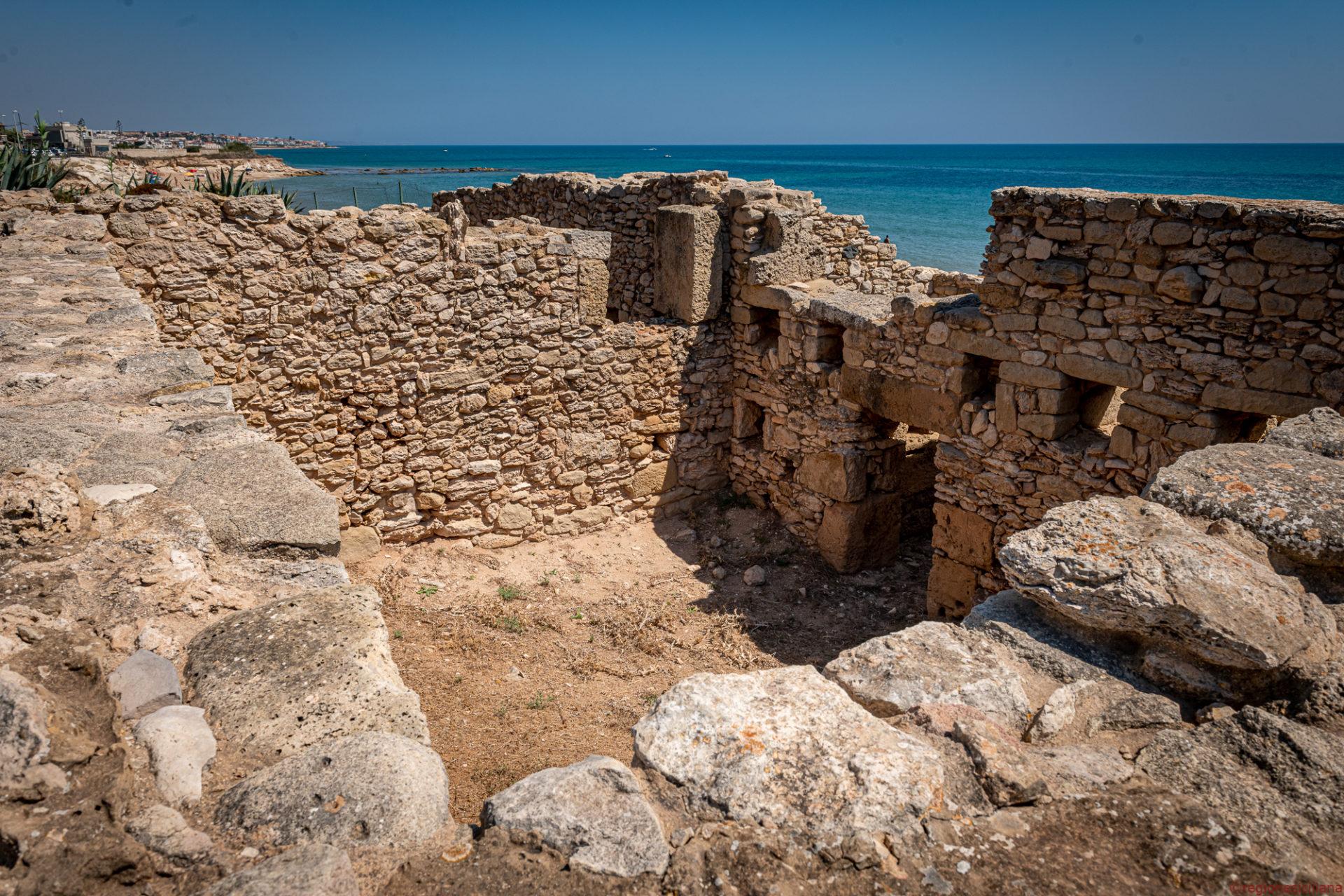
The Archaeological Park of Kamarina preserves the remains of the ancient Greek colony founded by Syracuse in 598 BC, which was destroyed and rebuilt several times over the centuries. Located on a panoramic plateau overlooking the sea, the site includes the remnants of the Greek settlement, with fortifications, necropolises, the agora, kilns, and a small temple. The Regional Archaeological Museum exhibits artifacts uncovered during excavations, including ceramics, amphorae, coins, and statues that illustrate the daily and religious life of the time. Kamarina is a precious testimony to the ancient history of southern Sicily, combining historical, archaeological, and landscape value. The visit offers a unique experience that blends culture and nature, immersed in the evocative setting of the Hyblean coastline.
Donnafugata Castle
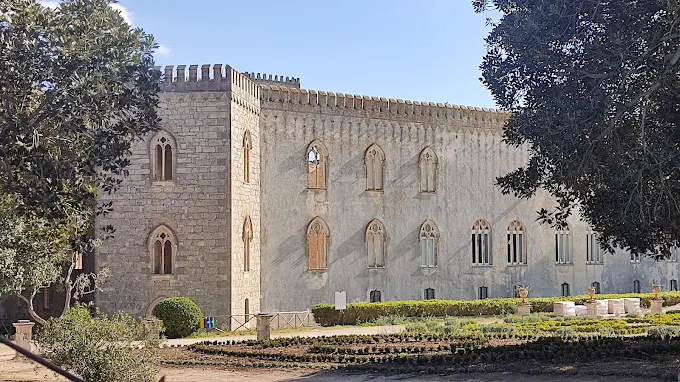
The Donnafugata Castle, located in the district of the same name a few kilometres from Ragusa, is a sumptuous 19th-century aristocratic residence built on pre-existing medieval structures. Its scenic neo-Gothic façade, with battlements and turrets, overlooks a charming rural landscape. Inside there are more than 120 rooms, many of which preserve original furnishings, frescoes and period objects that tell of the life of the Sicilian nobility. The castle is surrounded by a vast park in the English romantic style, embellished with artificial grottoes, an impressive stone maze, fountains and decorative pavilions. Now open to the public as a museum, it hosts cultural events and guided tours. The castle is also known for being the film set of the TV series “Il Commissario Montalbano”. A fascinating place where history, art and landscape come together in a unique way.
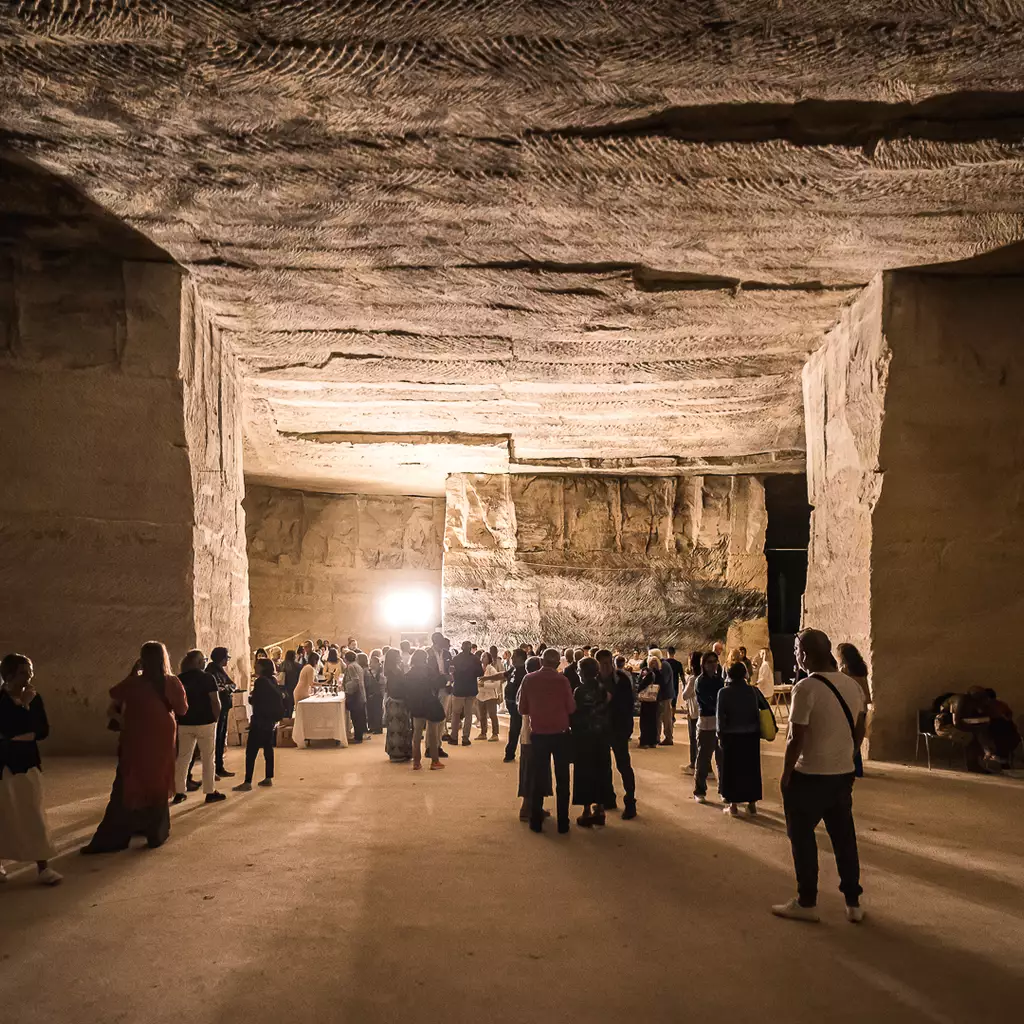
The Latomie of Ragusa
The Latomie of Ragusa are ancient limestone quarries, precious witnesses to the mining activity that took place after the 1693 earthquake. Located on the outskirts of the city, these rock-cut cavities have provided the fundamental material for the construction of the historical monuments, Baroque churches and traditional buildings that characterise the architectural landscape of the Hyblean territory. The latomie are distinguished by their vast underground tunnels and vertical walls, which reveal the skill and mastery of the ancient stonemasons in modelling the stone. In addition to their archaeological and historical value, they represent an important natural and cultural heritage, immersed in an environment of great charm. Today, the latomie are a site of tourist interest enhanced by guided tours detailing the history, the stone extraction techniques and the fundamental role these quarries have played in shaping local identity.

Quarry of Ispica and Forza Park
Quarry of Ispica is a river valley stretching about 13 km between Modica and Ispica, featuring rock-cut settlements that date from the Bronze Age (ca. 3000 BC) to the 14th century. The most significant area is Parco Forza, located on a fortified rocky spur known as the Fortilitium. Here you’ll find the remains of the Marchional Palace, medieval walls, the Church of the Annunziata, and hypogean structures such as stables and the famous "Centoscale" (Hundred Stairs) carved into the rock. The area is surrounded by caves, mills, rock carvings, catacombs, and an antiquarium. Today, the site is an open-air museum enhanced by cultural routes, nature excursions, and events like the living nativity scene, making it an essential destination for those who wish to explore the millennia-old relationship between humans and the environment in Sicily.