Church and Convent of Santa Maria della Croce

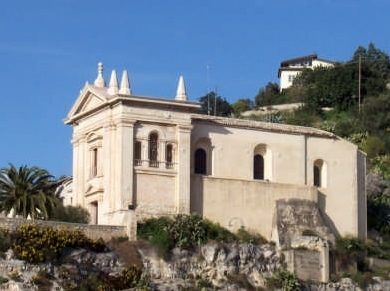
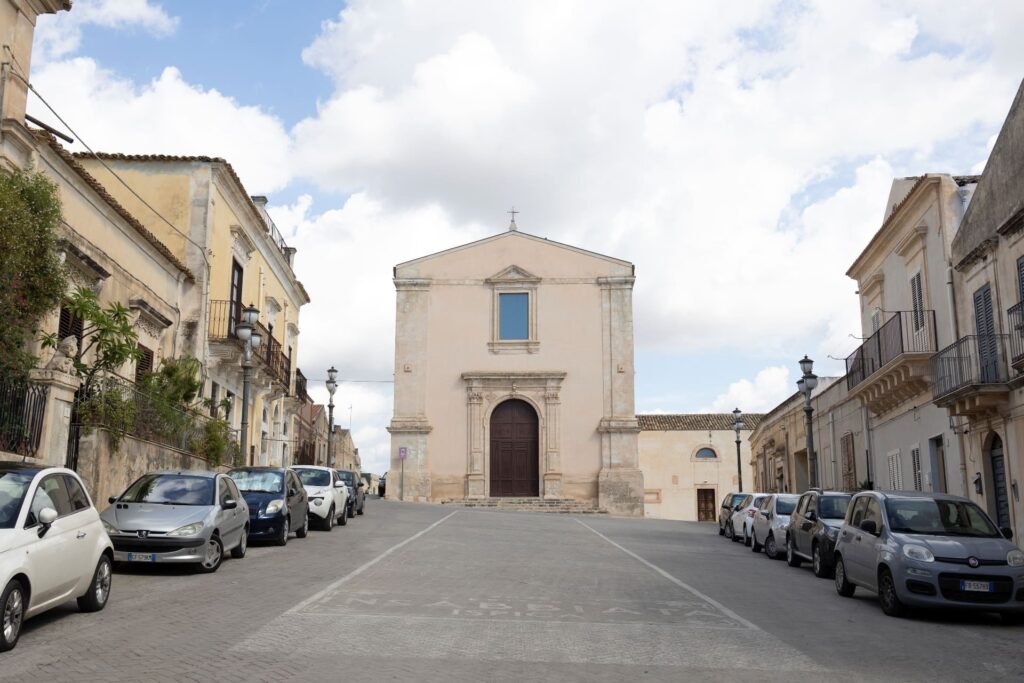
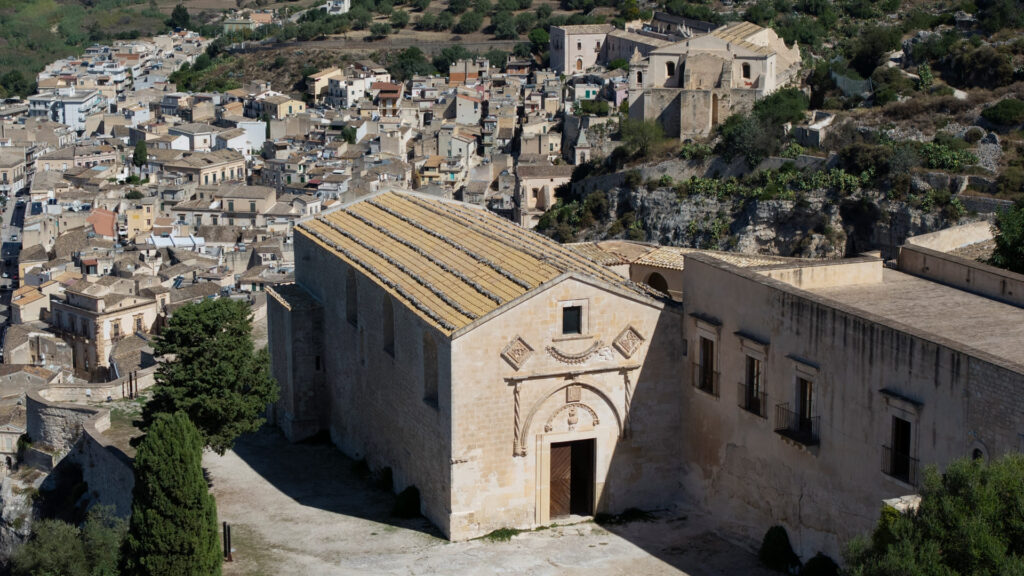
The Church and Convent of Santa Maria della Croce stand atop the hill of the same name—known as the “Hill of the Cross”—in the heart of Scicli’s historic center. The complex likely dates back to the late 15th or early 16th century, as suggested by the inscription “1528” found on a decorative element on the side. Over the centuries, the site has undergone several transformations that shaped its Renaissance and Baroque appearance, especially following the damage caused by the 1693 earthquake. The complex includes a single-nave church and a convent featuring a distinctive inner cloister, historically associated with the religious order of the Crociferi. The richly decorated interiors contain frescoes, stuccoes, and sacred artworks of great artistic and spiritual value, making this site a significant religious, cultural, and historical landmark for the city of Scicli and its people.
Busacca Square

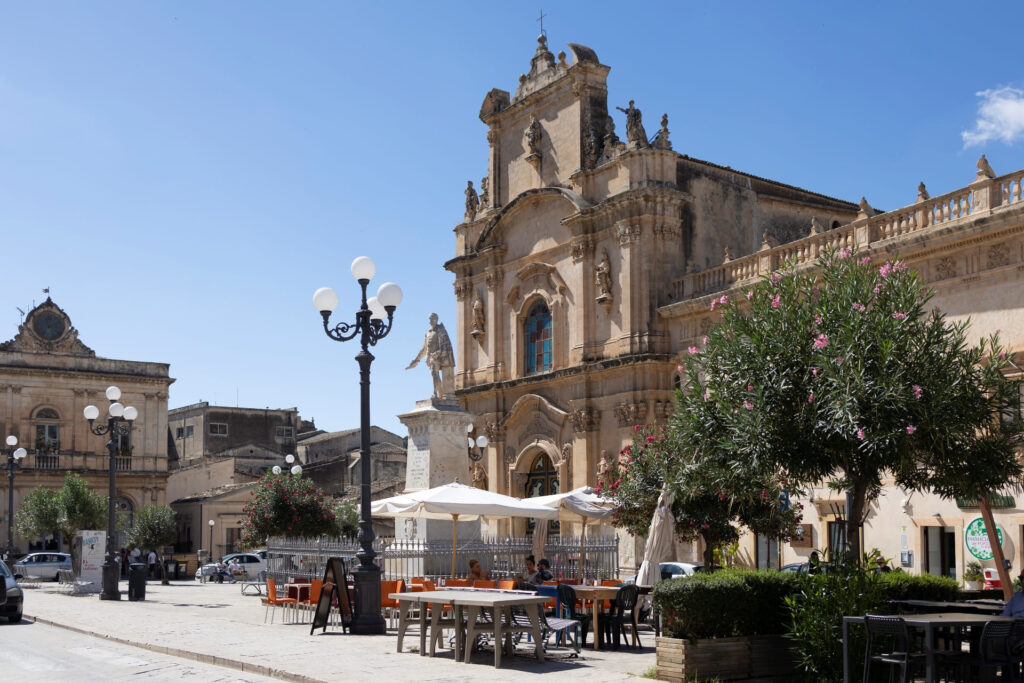
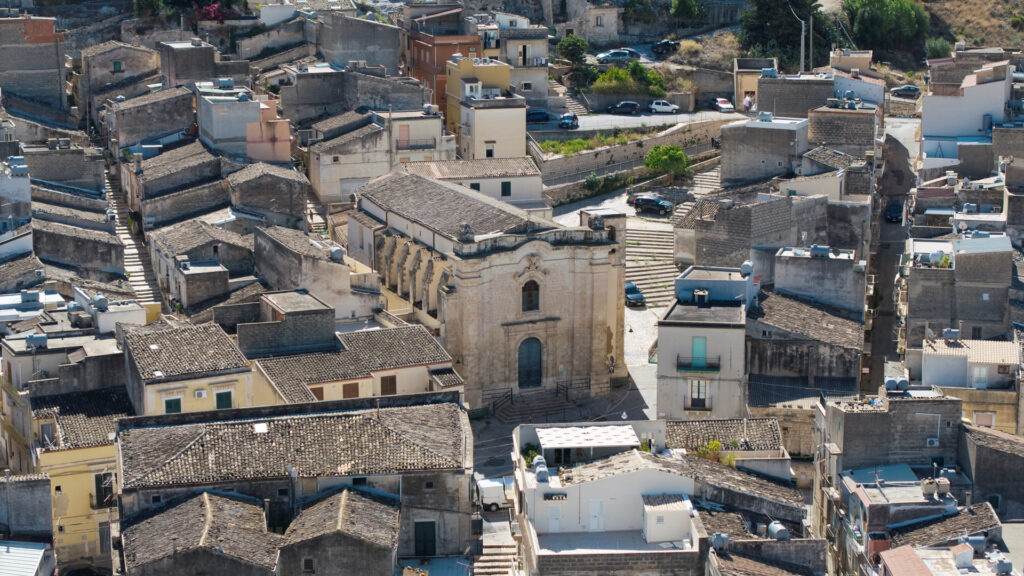
Busacca Square, located in the heart of Scicli, is one of the city’s most significant urban spaces, a crossroads of history, art, and everyday life. The square took on its current urban layout at the end of the 19th century, when in 1884 the monument to Pietro Di Lorenzo Busacca, a wealthy benefactor from Scicli, was placed there. Historic buildings surround the square, including the Church of the Carmine, built after the 1693 earthquake. The ogival portal and Gothic rose window are among the original elements that survived the quake, bearing witness to medieval architecture. The adjacent former Carmelite convent, now home to the municipal library, further enhances the cultural value of the site. Today, Piazza Busacca is a vibrant and lively space, hosting both civic and religious events, and remains a key meeting point for locals and tourists wishing to immerse themselves in the historical and social identity of the city.

Church of San Giuseppe

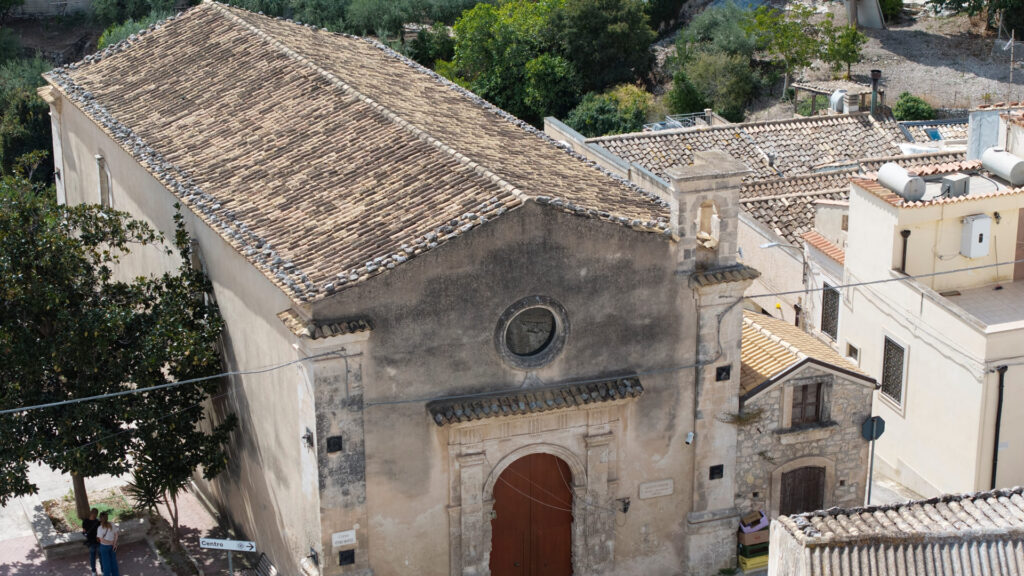
Founded around 1500 by Giannantonio Miccichè in the district then known as Pendino, now called San Giuseppe, the church was elevated to the rank of grange of the Mother Church in 1598 by will of Bishop Don Giovanni Orosco. The 1693 earthquake caused serious damage to the building, which was, however, quickly rebuilt following sober and essential architectural lines. This gives the church a restrained yet elegant grandeur, still clearly visible today. The single-nave structure is an example of balanced Baroque, harmoniously integrated into the urban fabric of Scicli. The church remains an important spiritual landmark for the San Giuseppe district community and stands as a valuable testament to post-earthquake architecture and the resilience of the city.

Convent of the Rosario

The Church and Convent of the Rosario, originally dedicated to Our Lady of Monserrato, is one of the oldest and most significant places of worship in Scicli. The church was built in 1516, as reported by the historian Rocco Pirri and documented in a 1539 notarial deed by Militello. Over the centuries, thanks to the deep devotion of the local population, the structure was expanded and enriched. Located at the top of Monte Campagna, the church overlooks a breathtaking landscape that embraces the surrounding countryside and the sea, offering a deeply evocative and spiritual setting. Next to the church, the convent was built, which for centuries served as a religious and cultural landmark for the area. Today, the complex is still used for worship and is enhanced through cultural initiatives that preserve its historical charm and spiritual significance.

Square Italia and the Mother Church of sant’Ignazio di Loyola

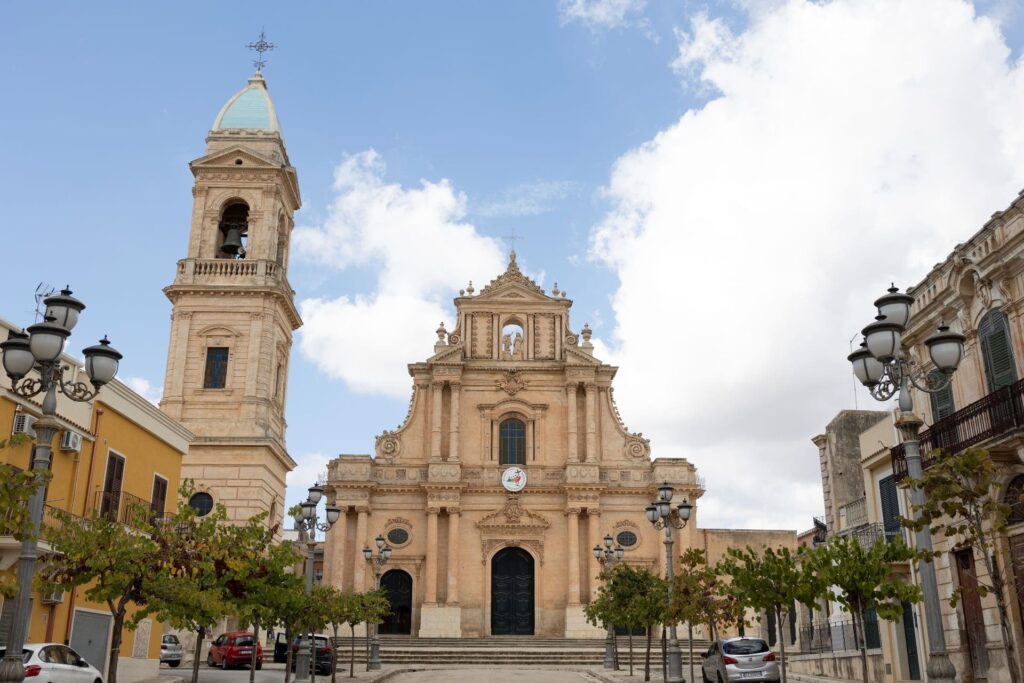
Piazza Italia is the heart of modern-day Scicli — a broad urban space surrounded by historic buildings and bourgeois architecture that reflect the city’s urban development between the 19th and early 20th centuries. The square is dominated by the majestic Mother Church of Saint Ignatius of Loyola, built starting in the 18th century, and it represents a perfect balance between religious tradition and contemporary life. The church, in late Baroque style, features a harmonious façade and a three-nave interior enhanced by elegant yet understated decorations. Today, Piazza Italia hosts civic events, markets, religious celebrations, and social gatherings, serving as the main meeting point for residents and visitors. Its central role, combined with its architectural value and everyday vitality, makes it one of the symbolic places of present-day Scicli, deeply rooted in its past.

Church of San Bartolomeo

The Church of San Bartolomeo is one of the oldest and most evocative churches in Scicli, nestled in a narrow valley at the foot of the San Matteo hill, surrounded by rocky cliffs that enhance its mystical atmosphere. The original building was destroyed in the 1693 earthquake and rebuilt during the 18th century in the Sicilian Baroque style, featuring sober and elegant forms. The interior, divided into three naves, is enriched with marble altars, late Baroque decorations, and sacred sculptures — most notably the group of the Virgin of Sorrows with the dead Christ, which is carried in procession during Holy Week. The quiet and intimate setting invites meditation and contemplation, offering visitors a deep spiritual experience. The church is a significant point of reference for both popular devotion and the artistic heritage of the city.

Church of Sant’Anna

The Church of Sant’Anna, located on Corso Vittorio Emanuele in the historic center of Ispica, was rebuilt in the 17th century after the 1693 earthquake. This building is a remarkable example of Sicilian Baroque architecture, with a simple façade and an interior adorned with altars, sacred statues, and frescoes. It is an important religious and cultural landmark for the local community, who celebrate liturgical services there and organize cultural events to keep historical traditions alive. The church remains well preserved thanks to ongoing restoration.

Convento del Carmine

Il Convento del Carmine di Ispica, fondato nel 1534, è uno dei complessi religiosi più significativi della città. Dopo il terremoto del 1693, che colpì duramente la Sicilia sud-orientale, fu completamente ricostruito, assumendo l’attuale aspetto in stile barocco siciliano, seppur con una facciata sobria ed elegante che riflette lo spirito dell’ordine carmelitano. L’interno della chiesa annessa presenta altari in marmo finemente lavorati, statue votive e opere d’arte sacra risalenti al XVIII e XIX secolo, che raccontano la profonda devozione popolare e la continuità della vita religiosa nel tempo. Il convento, con i suoi ambienti raccolti e storicamente abitati dai padri carmelitani, ha rappresentato per secoli un centro spirituale e sociale per la comunità. Ancora oggi mantiene un ruolo attivo, ospitando funzioni religiose, attività culturali e momenti di riflessione, contribuendo alla valorizzazione del patrimonio storico e religioso di Ispica.

The Basilica of the Most Holy Annunciation

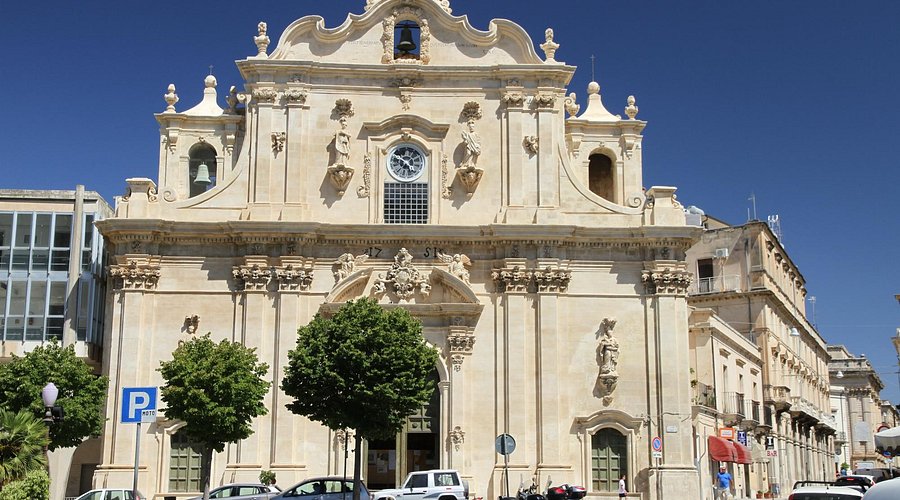
The Basilica of the Most Holy Annunciation stands in Ispica’s Piazza Santissima Annunziata and is one of the city’s most significant religious buildings. Constructed between 1703 and 1720 following the devastating earthquake of 1693, the basilica features a three-tiered Baroque façade, crowned by a statue of the Annunciation in the third level. The interior, with its three naves, is enriched with stuccoes attributed to Giuseppe Gianforma, depicting biblical scenes. The church houses sacred artworks, including the Christ with the Cross, a stucco and papier-mâché statue dating back to the early 1700s, which is carried in procession every Good Friday. The 18th-century bell tower and loggia complete the architectural complex. The basilica is a center for religious celebrations and cultural events, and serves as an important point of reference for the community of Ispica.

Church of Sant’Antonio Abate

The Church of Saint Anthony the Abbot, located in the square of the same name in the historic center of Ispica, was built after the devastating earthquake of 1693, which destroyed much of the ancient city. It stands as an important example of late 17th-century Sicilian Baroque religious architecture. The simple and essential façade is enhanced by an elegant portal made of local stone and a bell tower that rises above the surrounding neighborhood. The single-nave interior is adorned with decorative stuccoes, side altars, wooden statues, and sacred paintings, including works dedicated to the patron saint. Saint Anthony the Abbot, protector of animals and farmland, is deeply venerated by the local population, especially during his feast day, which involves the entire community in religious rituals, blessings, and ancient traditions. Well preserved and still regularly officiated, the church remains a spiritual and cultural landmark for the people of Ispica, bearing witness to the city’s faith and history.