Palace Beneventano

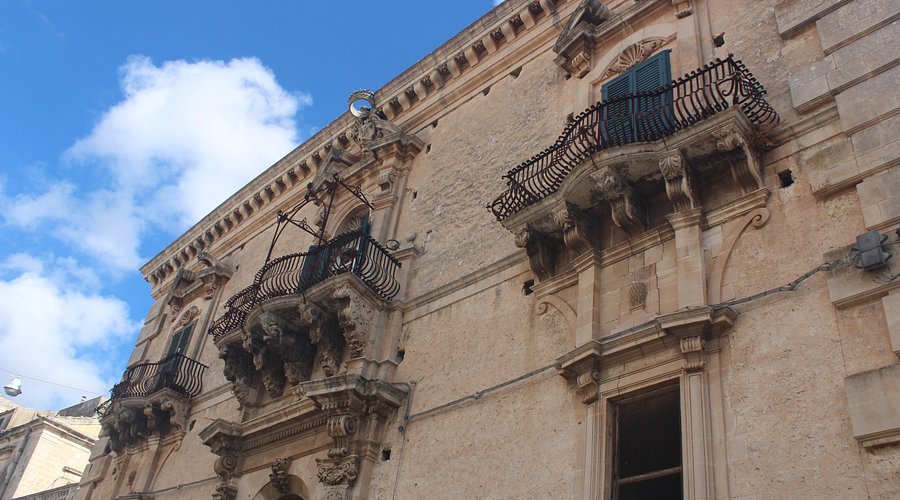
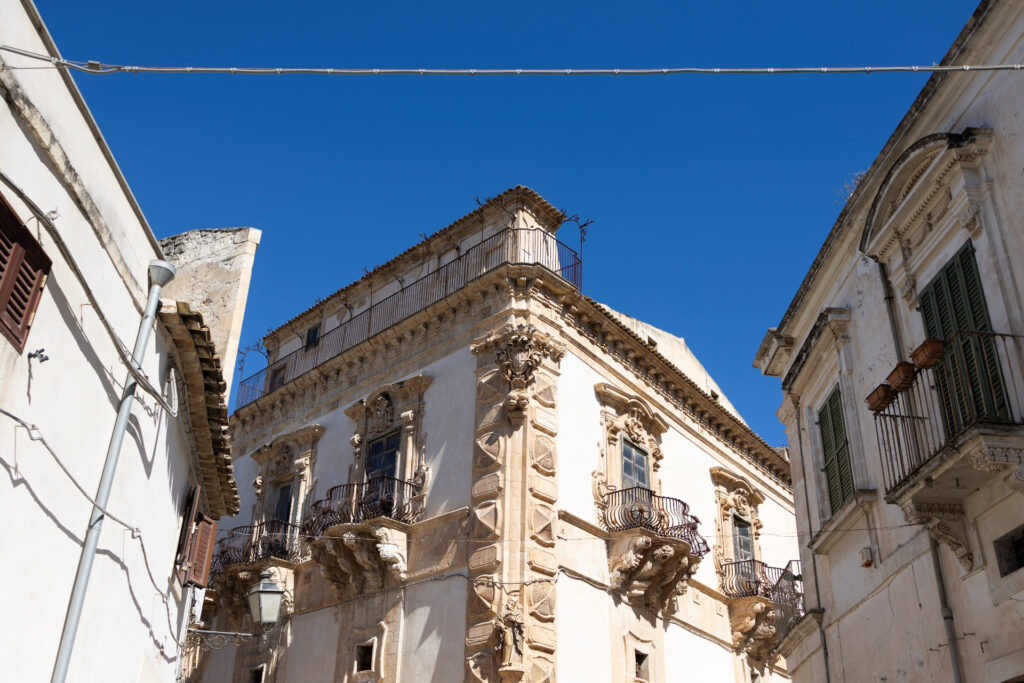
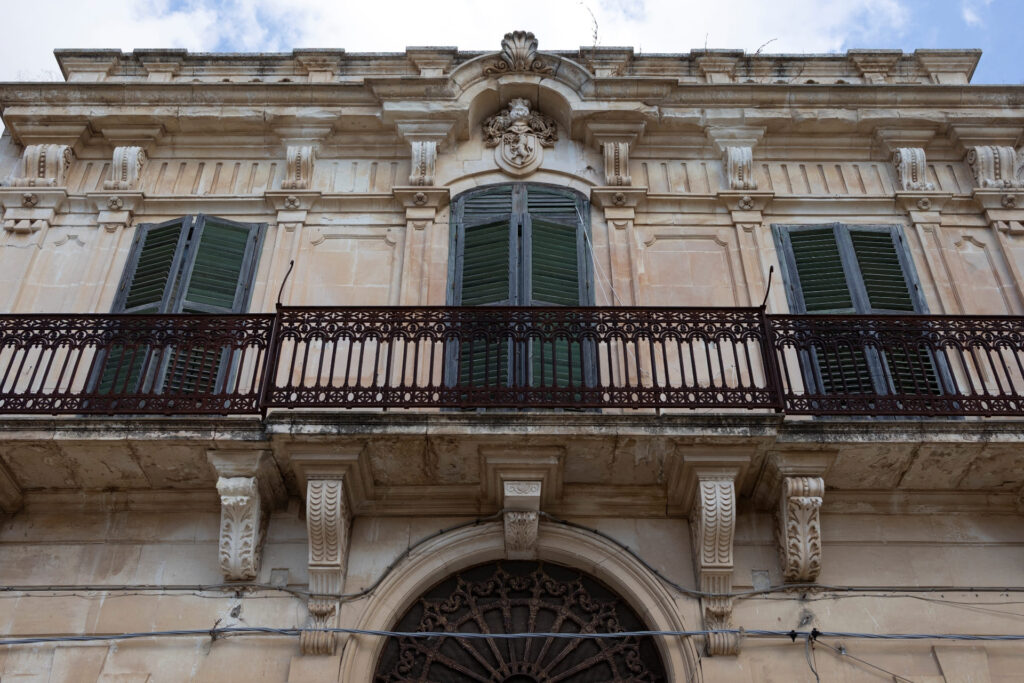
Palace Beneventano is one of the finest expressions of Sicilian Baroque, located on Via Duca D’Aosta in Scicli, in the heart of the historic center. Built in the 18th century, the palace stands out for the extraordinary artistic quality of its façade, adorned with grotesque masks, sculpted corbels, allegorical figures, and curved wrought-iron balconies. This combination of elements creates a dramatic visual effect that blends symbolism, irony, and fantasy in a unique synthesis. Cited by scholars and art historians as one of the most significant examples of Iblean Baroque, the palace is not currently open to the public but continues to attract visitors, photographers, and enthusiasts for its exceptional beauty. It is considered one of the symbolic monuments of Scicli and a noteworthy piece of international architectural heritage.
Quarry of Ispica and Forza Park

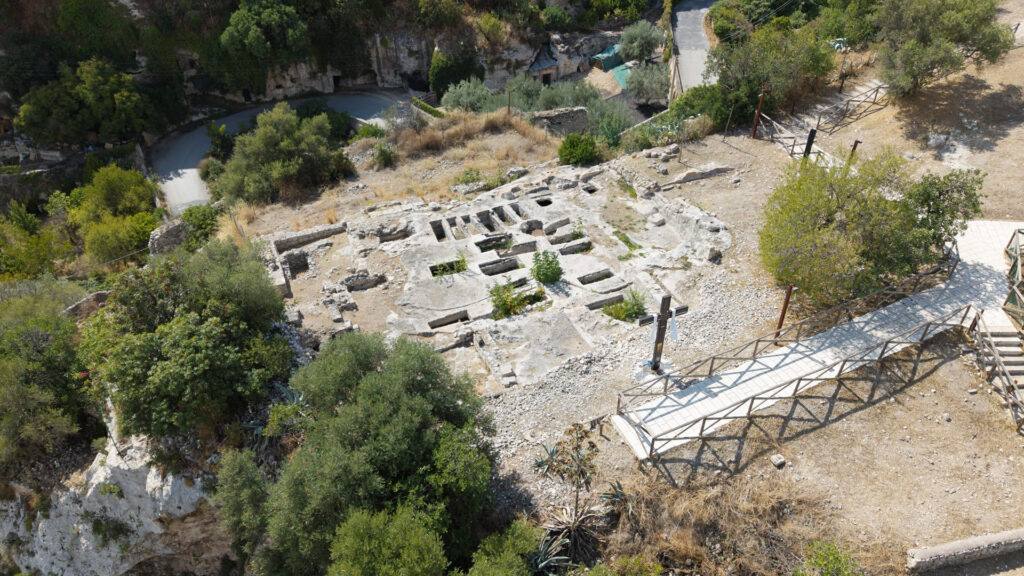
Quarry of Ispica is a river valley stretching about 13 km between Modica and Ispica, featuring rock-cut settlements that date from the Bronze Age (ca. 3000 BC) to the 14th century. The most significant area is Parco Forza, located on a fortified rocky spur known as the Fortilitium. Here you’ll find the remains of the Marchional Palace, medieval walls, the Church of the Annunziata, and hypogean structures such as stables and the famous “Centoscale” (Hundred Stairs) carved into the rock. The area is surrounded by caves, mills, rock carvings, catacombs, and an antiquarium. Today, the site is an open-air museum enhanced by cultural routes, nature excursions, and events like the living nativity scene, making it an essential destination for those who wish to explore the millennia-old relationship between humans and the environment in Sicily.

Palace Modica

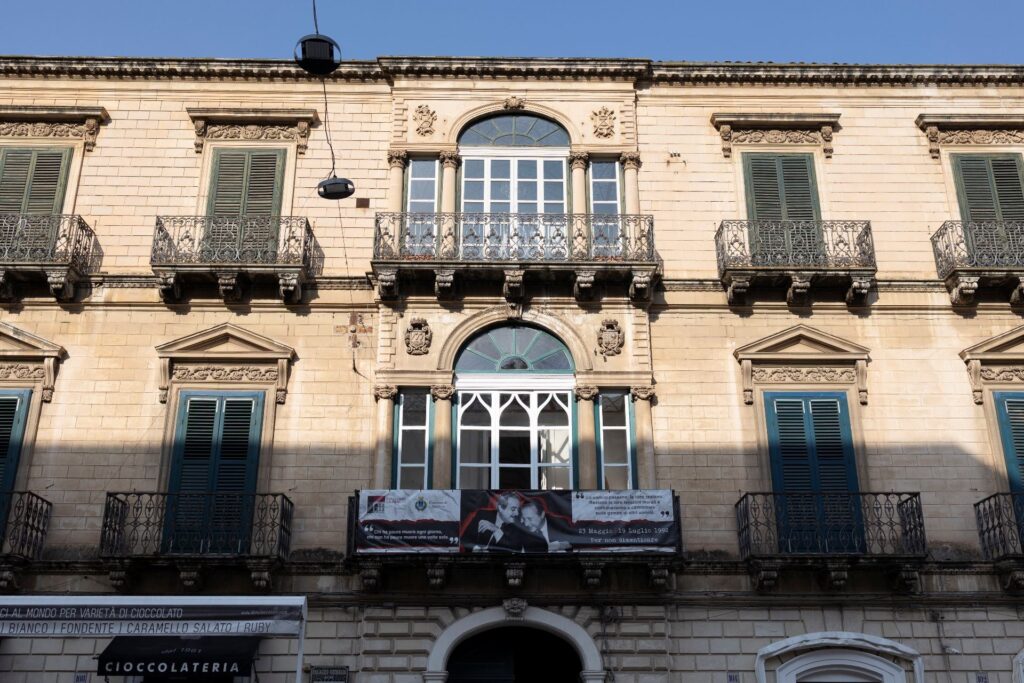
Palace Modica, located in Piazza Antonio Brancati in the heart of Ispica’s historic center, is a refined example of noble architecture dating back to the late 19th and early 20th centuries. Its imposing façade stands out for its finely crafted wrought-iron balconies and stone decorations, which highlight its elegance and connection to the local tradition. Inside, spacious halls with high ceilings and carefully designed architectural details reflect the lifestyle of the aristocratic families who once lived there, bearing witness to a time of prestige and culture. Today, Palazzo Modica serves as a vibrant space for the city, hosting cultural events, exhibitions, and artistic performances that enhance the value of the local historical heritage. The palace remains an important point of reference for the community of Ispica, preserving and promoting the city’s historical and artistic traditions.

Palace of Bruno di Belmonte

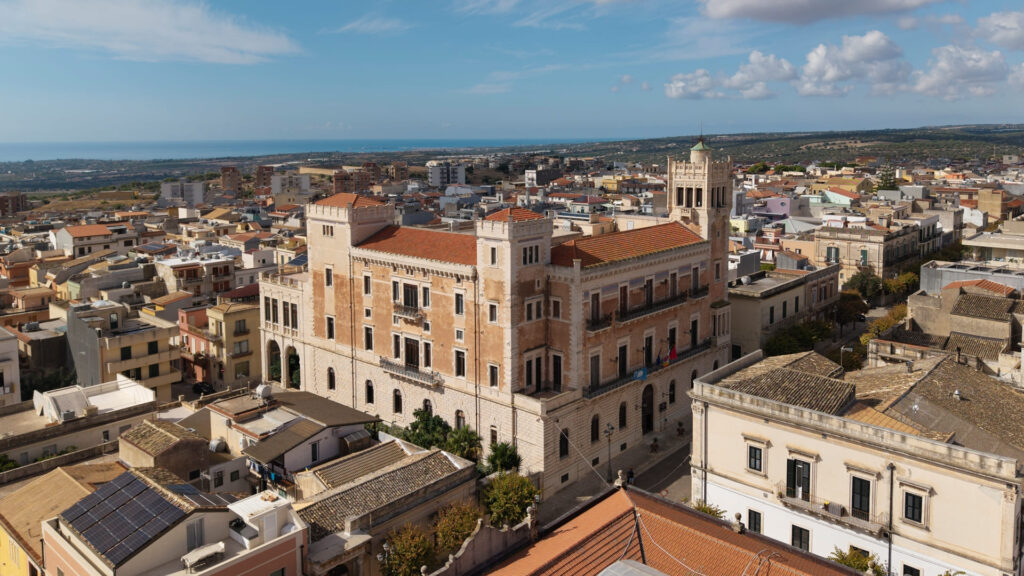
Palace of Bruno di Belmonte began in 1906, designed by architect Ernesto Basile, one of Italy’s leading exponents of the Art Nouveau style. Located in the heart of Ispica’s historic center, the palace is considered one of the most significant Art Nouveau buildings in Sicily. Its architecture is a refined blend of eclecticism and neo-Baroque, evident in the façade, which features wrought-iron balconies, floral decorations carved in stone, and Art Nouveau motifs in the windows and cornices. The interior still retains majolica floors, frescoes, and period architectural details that reflect the refined taste of the Bruno di Belmonte family. Currently serving as Ispica’s Town Hall, it also hosts cultural events, exhibitions, and institutional meetings, becoming a focal point for the city’s public and cultural life. The palace represents a masterpiece of early twentieth-century Sicilian architecture and a symbol of community identity.

Historic Center of Santa Croce Camerina

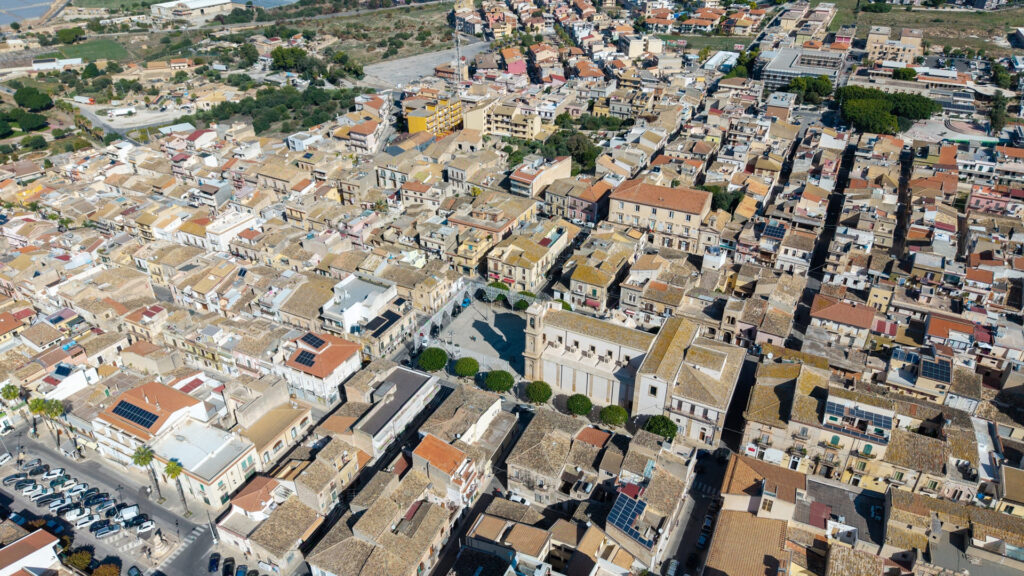
The Historic Center of Santa Croce Camerina develops around Piazza Vittorio Emanuele II, following a medieval layout later reworked after the 1693 earthquake with refined Baroque and Neoclassical interventions between the 18th and 19th centuries. The area is home to iconic monuments: the Mother Church of Saint John the Baptist with its late Baroque façade, and noble palaces such as Vitale–Ciarcià, Rinzivillo–Portelli, Carratello, and Celestri–Sant’Elia, all distinguished by wrought-iron balconies, sculpted portals, and family crests. Framed by alleys, loggias, and courtyards, the architecture uses local limestone and polychrome stucco, creating a striking play of light and shadow. Today, the center is a vibrant residential and cultural hub: walking through its streets means discovering the historical evolution of the town—between devotion, noble power, and TV fiction scenery—in a perfectly preserved and enhanced setting for tourism and local festivities.

Palace Grimaldi

The Palazzo Grimaldi, located along the prestigious Corso Umberto I in Modica, is a splendid example of 18th-century civil Baroque architecture, reflecting the taste and high status of Modica’s nobility. The façade is distinguished by elaborate carved stone decorations and wrought-iron balconies, skilfully crafted and enriched with ornamental motifs typical of the period. The monumental, wide and scenic entrance leads to refined interiors, characterised by frescoes, fine stucco work and carefully decorated ceilings, which testify to the elegance and wealth of the original owners, the Grimaldi family. The interior also features an inner courtyard and grand staircases, which contribute to an atmosphere of nobility and prestige. Today the palace is used as a private residence or for cultural events, keeping alive the link with Modica’s aristocratic and artistic history, and is an important testimony to the city’s Baroque civil heritage.

The Church of San Giorgio Vecchio

The Church of San Giorgio Vecchio stood at the eastern end of Ragusa Ibla and is one of the oldest religious buildings in the city. Largely destroyed by the 1693 earthquake, today mainly the 15th-century portal, the only surviving element, and some of the walls of the side chapels and the presbytery remain visible. The site, located near the suggestive Hyblean Garden, has undergone major consolidation and archaeological excavations that have brought to light the original layout and foundations of the church. Today, the area can be freely visited, enriched by explanatory panels that guide visitors to discover the history and medieval architecture of Ragusa and its territory. The pedestrian path around the site offers a fascinating insight into the thousand-year history of the city, enhancing this important cultural and religious heritage. The Church of San Giorgio Vecchio thus represents a symbol of the historical continuity and collective memory of the Ragusa community.

Palace Napolino-Tommasi Rosso

The Palace Napolino-Tommasi Rosso, located on Corso Francesco Crispi in the historic centre of Modica, is a fine example of 18th-century civil Baroque architecture that testifies to the prestige and elegance of the local noble families. The local stone façade is characterised by finely worked wrought iron balconies and a carefully sculpted entrance portal, elements that give the building a harmonious and refined appearance. Inside, when accessible, the rooms are distinguished by their frescoed ceilings and stucco decorations, skilfully crafted and capable of conveying the cultural and artistic richness of an era. The palace thus represents a precious testimony to Modica’s historical and artistic heritage, remaining one of the most important buildings in the city’s 18th-century urban fabric, helping to preserve Modica’s identity and historical memory.

The Latomie of Ragusa

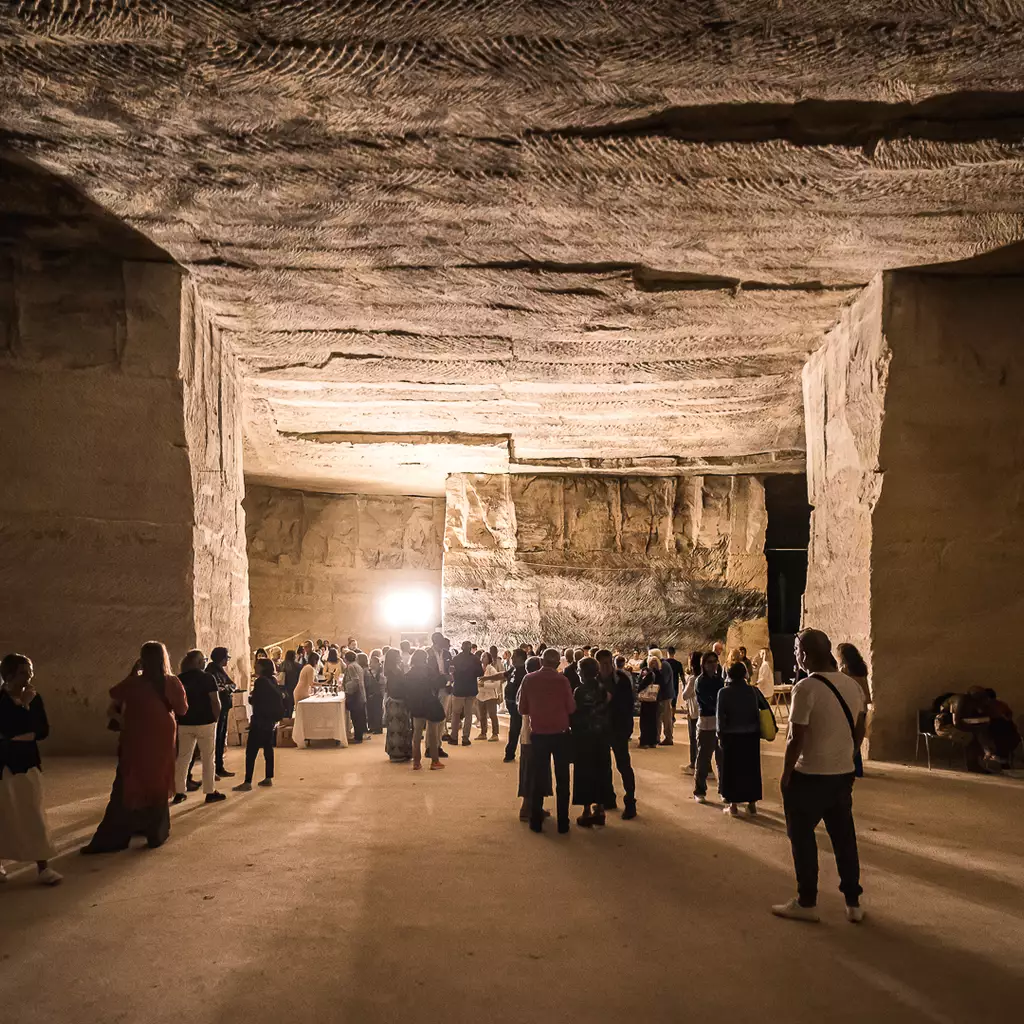
The Latomie of Ragusa are ancient limestone quarries, precious witnesses to the mining activity that took place after the 1693 earthquake. Located on the outskirts of the city, these rock-cut cavities have provided the fundamental material for the construction of the historical monuments, Baroque churches and traditional buildings that characterise the architectural landscape of the Hyblean territory. The latomie are distinguished by their vast underground tunnels and vertical walls, which reveal the skill and mastery of the ancient stonemasons in modelling the stone. In addition to their archaeological and historical value, they represent an important natural and cultural heritage, immersed in an environment of great charm. Today, the latomie are a site of tourist interest enhanced by guided tours detailing the history, the stone extraction techniques and the fundamental role these quarries have played in shaping local identity.

The Castle of the Counts of Modica

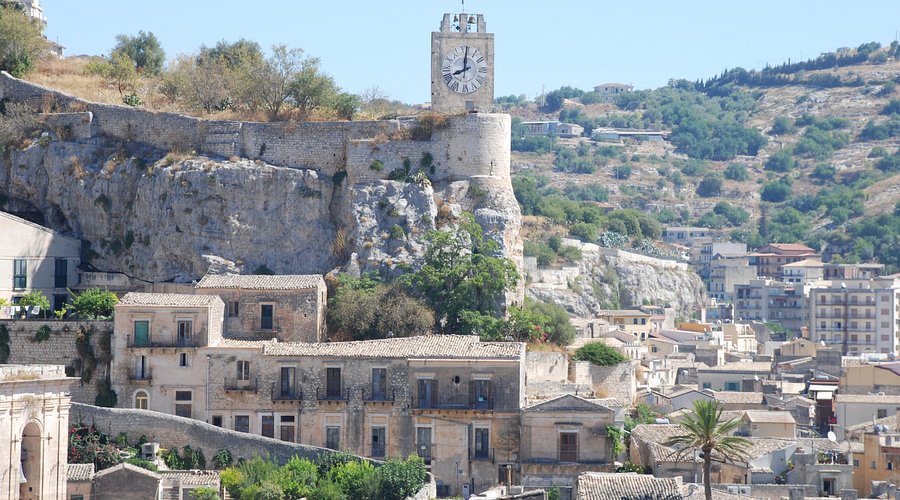
The Castle of the Counts of Modica is one of the city’s symbolic monuments and represents an important historical and architectural testimony. It stands in a dominant position on a rocky spur, whose sheer walls give the building a majestic and imposing appearance. The origins of the castle date back to medieval times, but the current structure is the result of later reconstructions, particularly after the devastating earthquake of 1693. For centuries, from the 14th to the 19th century, it was the seat of power of the County of Modica, one of the most important and influential fiefdoms of the Kingdom of Sicily. Of the ancient fortified structure, a 14th-century polygonal tower remains visible, as well as bastions, underground chambers and underground passages that add to its charm. From its summit there is a splendid view of Modica Alta and Bassa, among the most beautiful in the area. Today, thanks to recent restoration work, the castle can be visited and is part of the Val di Noto UNESCO heritage site.