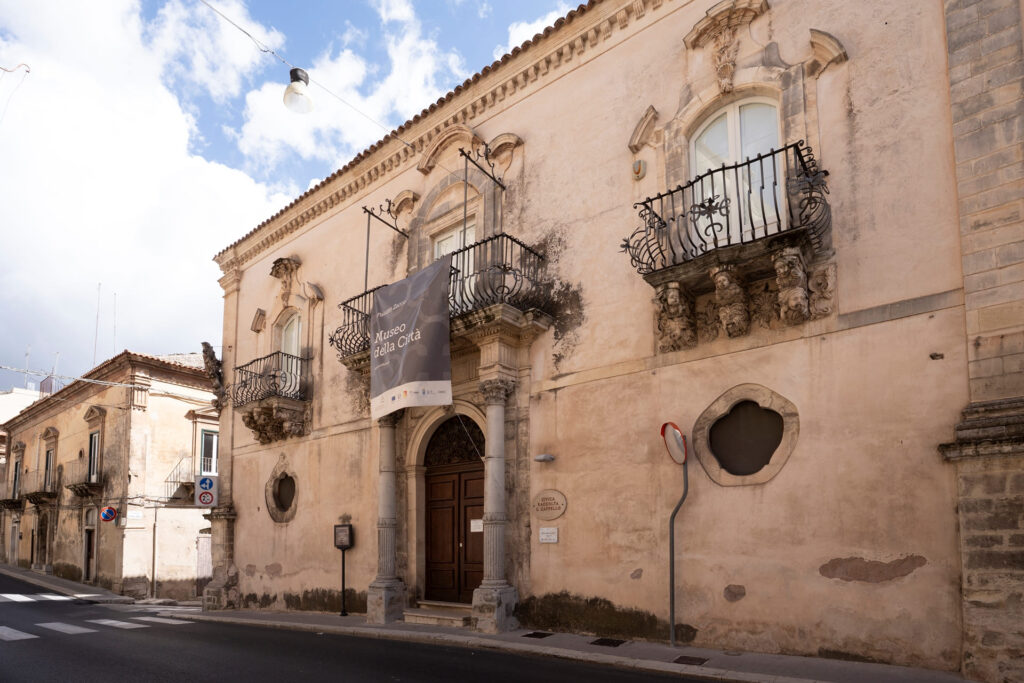
Museum of Memory

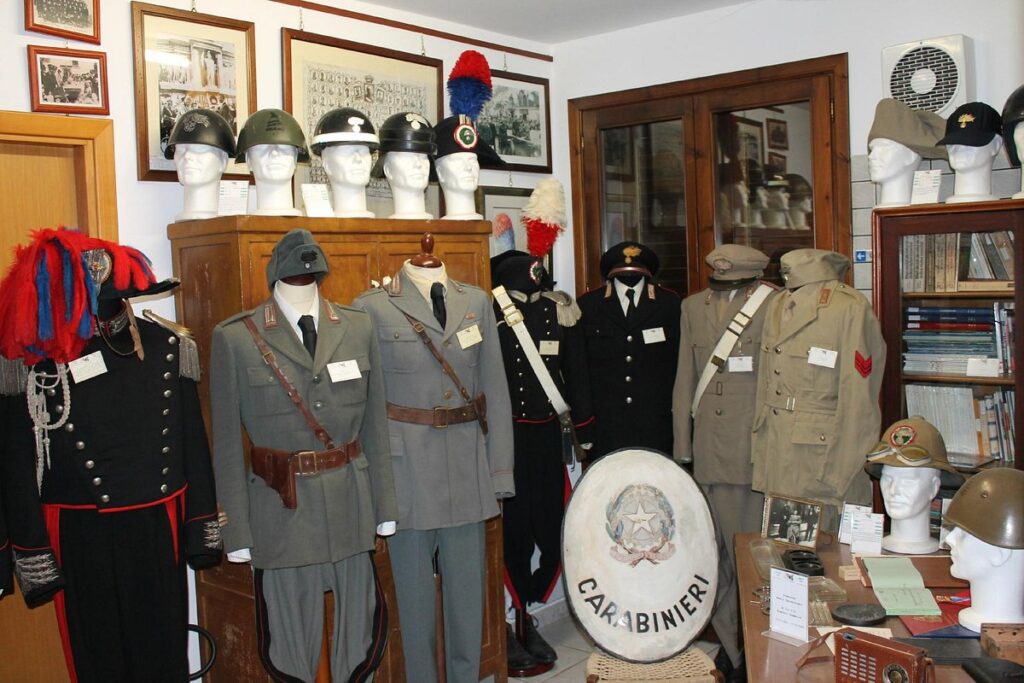
Museum of Memory – Sicilia 1943, located at Via Sorda Sampieri, 46/D in Modica, is a place that preserves and recounts the dramatic events experienced by Sicily during the Second World War. Founded in 2012 by Andrea Blefari and Antonino Montalto, the museum houses a vast collection of war relics, uniforms, helmets, military vehicles, unpublished documents and historical photographs. The exhibition traces the stages of the Anglo-American occupation in Sicily, with a focus on the Allied landings (Operation Husky) and the Italian-German resistance. The museum also offers a section dedicated to the history of the Royal Army and Nazi Germany, allowing visitors to understand the complex dynamics of the conflict in the Sicilian context. It is a place of memory and reflection, fundamental for the preservation of local history.
Visual-tactile Museum

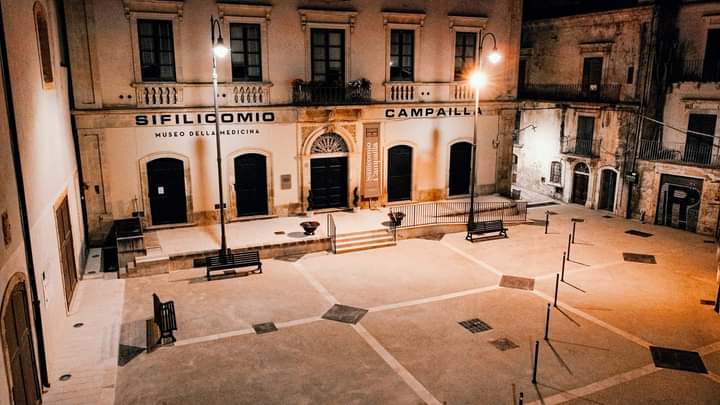
The “Tommaso Campailla” visual-tactile museum in Modica is an innovative cultural space dedicated to the accessibility and inclusion of people with visual impairments. Thanks to a unique multisensory route, the museum offers visitors the opportunity to explore the history, art and landscape of Modica through three-dimensional relief models, detailed audioguides and interactive materials specifically designed to stimulate touch and hearing. This approach makes the historical and cultural heritage accessible to all, overcoming barriers and encouraging active and inclusive participation. The museum is today an excellence in the field of cultural education and accessibility, promoting values of solidarity and appreciation of the territory in an open and innovative dimension.

Chocolate Museum of Modica

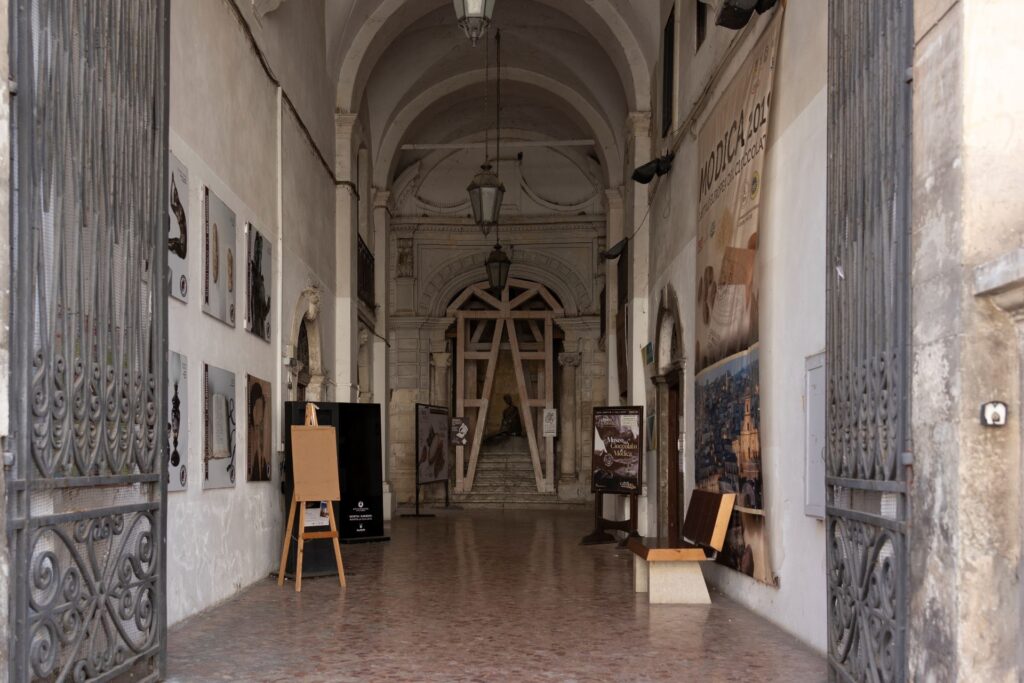
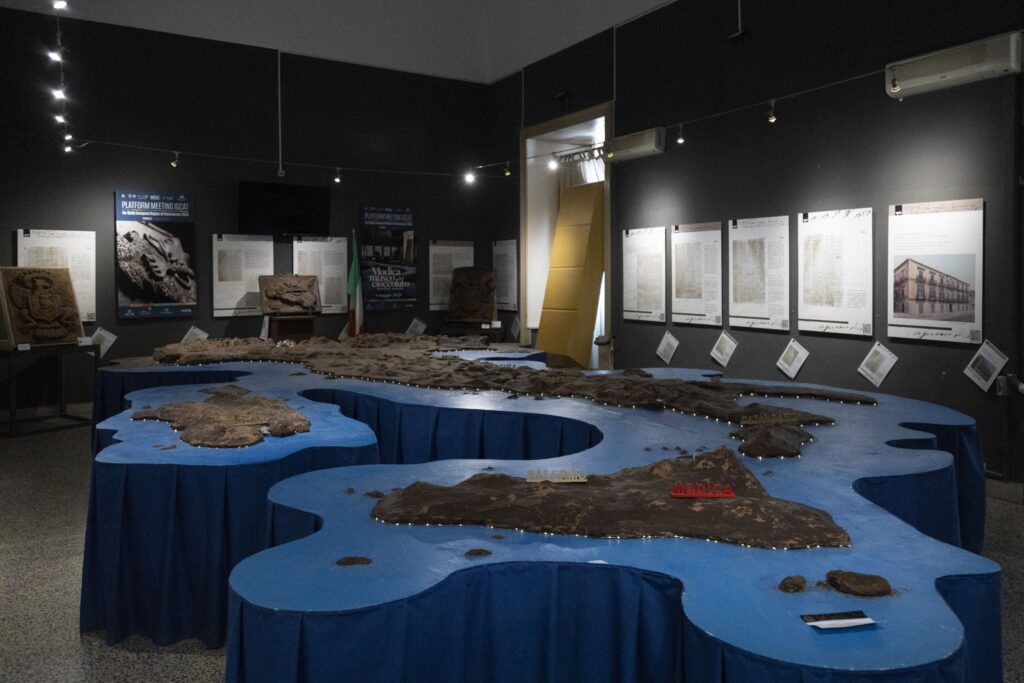
The Chocolate Museum of Modica, located along the central Corso Umberto I, is a unique homage to the city’s celebrated chocolate-making tradition, famous in Europe for its special “cold” processing, of Aztec origin, which gives Modica chocolate a grainy texture and unmistakable flavour. Opened in 2014, the museum offers visitors a fascinating journey through the history of chocolate, ancient tools and traditional production methods, illustrated through interactive exhibits, explanatory panels and educational workshops. Among the most spectacular attractions are the chocolate sculptures, including a detailed map of Italy carved entirely with great skill. The museum also holds valuable documents related to the PGI recognition of Modican chocolate. Today it represents an essential reference point for gastronomic and cultural tourism in the city, celebrating a product that is a true symbol of Modican identity.

The Palace of Mercedari

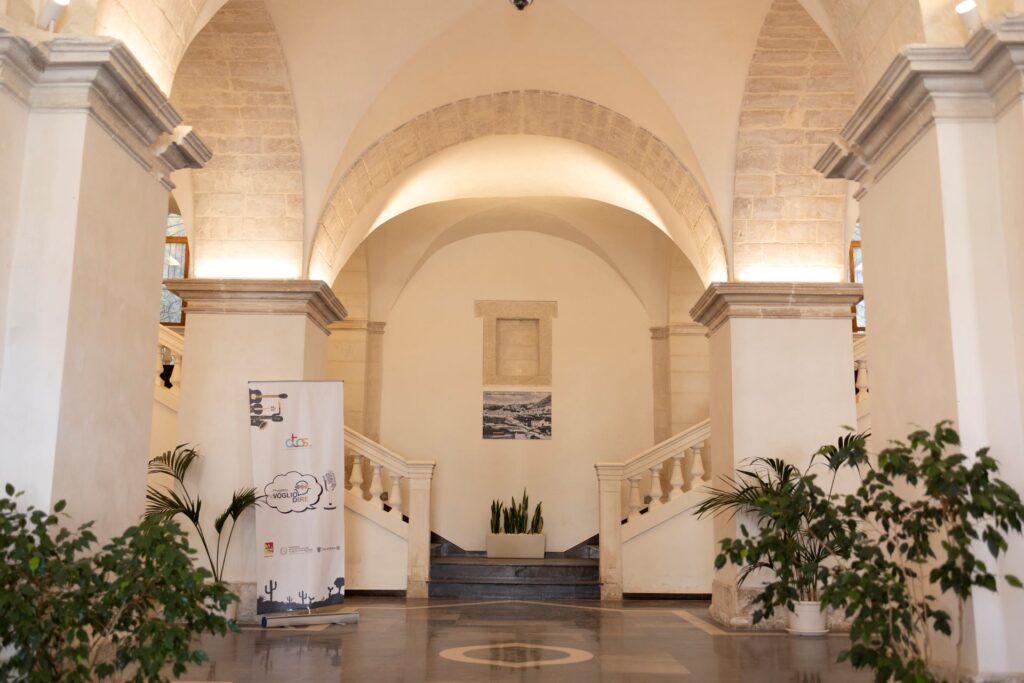
The Palace of Mercedari, located on Via Mercè in Modica Bassa, was built from 1718 as the seat of the convent of the Order of the Mercedari, adjacent to the Church of Santa Maria delle Grazie. Built in late Baroque style, the building is distinguished by its sober façade in local stone, reflecting the simple elegance typical of religious architecture of the time. The large, carefully renovated interior spaces are now used as multifunctional cultural spaces, hosting exhibitions, concerts, meetings and workshops, becoming a dynamic and lively hub for the city’s cultural life. During the 18th century, the complex was an important reference point for the Modican community, both religiously and socially. Today, the Palazzo dei Mercedari is a symbol of historical memory, art and culture.

The Water Mill – Cave Museum

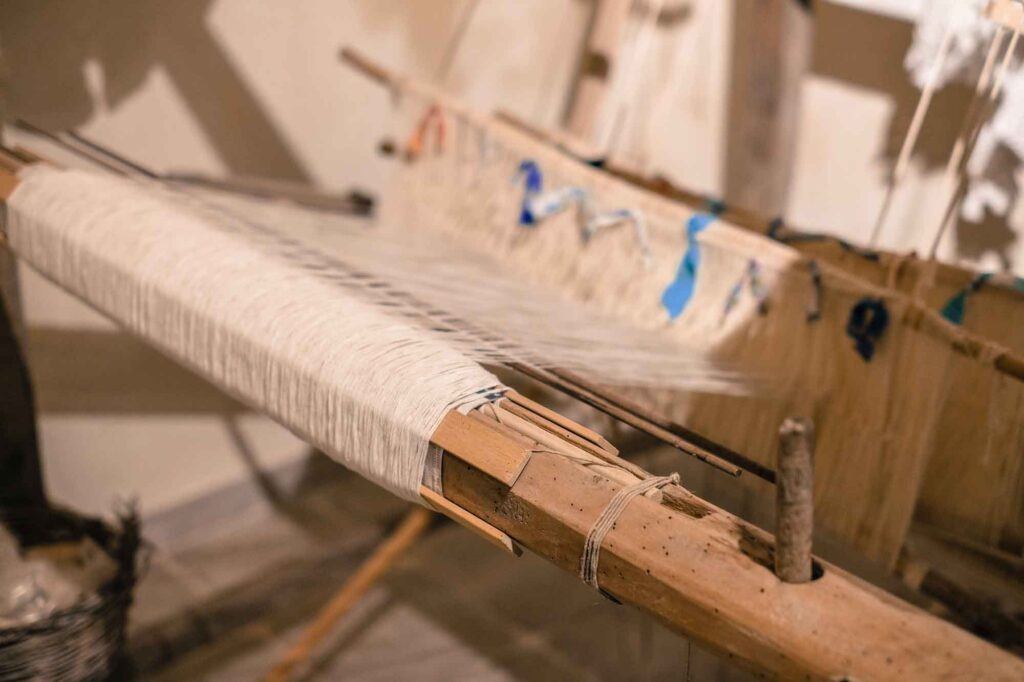
The Water Mill – Cave Museum, located in the picturesque Cava Ispica in Modica, is an extraordinary example of rural archaeology and local farming tradition. Built in the 18th century and remaining operational until the 20th century, it represents the last working water mill in the area, bearing witness to ancient farming techniques. The museum is developed in a system of rooms excavated in the rock and stone structures, including cave dwellings, stables and rooms dedicated to milling. Inside, original tools from the period are on display and practical demonstrations are organised to tell the story of daily life and farming activities in historic Modica. This site offers visitors an authentic immersion in local culture and traditions, enhancing the balanced relationship between nature and history that profoundly characterises the area.

The “Franco Libero Belgiorno” Civic Museum

The “Franco Libero Belgiorno” Civic Museum, established in the 1950s and housed in the evocative Palazzo della Cultura in Modica, holds one of the most important archaeological and historical collections in the Hyblean territory. The collections, mainly from the excavations in Cava Ispica, cover a time span from prehistory to the Middle Ages and include ceramics, votive objects, coins, utensils and religious artefacts, thus offering a complete and fascinating picture of the life and culture of the territory’s ancient populations. The museum is named after Modican archaeologist Franco Libero Belgiorno, a key figure in the promotion of excavations and the protection of local heritage. In addition to the permanent exhibition, the museum regularly hosts temporary exhibitions and educational activities for schools and visitors, establishing itself as a fundamental point of reference for the culture and history of Modica and the entire Hyblean area.

Palace La Rocca

Palazzo La Rocca, located on Via Capitano Bocchieri in Ragusa Ibla, is a fine example of late Baroque Sicilian architecture. Built between 1760 and 1780 at the behest of Baron Don Saverio La Rocca di Sant’Ippolito, the building has two floors with a façade approximately 50 metres long, enriched by eight balconies supported by pitch-stone corbels, each decorated with anthropomorphic figures and scenes of daily life. The main entrance features a portal with a goose-breasted upper balcony. Inside, an atrium with a double flight of pitchstone stairs and a floor decorated with white limestone inserts and majolica tiles leads to the noble rooms, which preserve 18th-century furnishings. The palace houses the MUSAC (Museum of the History of Architecture and Construction in the Mediterranean), managed by the A.St.R.A.Co. association, which promotes the local architectural heritage through exhibitions and cultural activities.

Zacco Palace

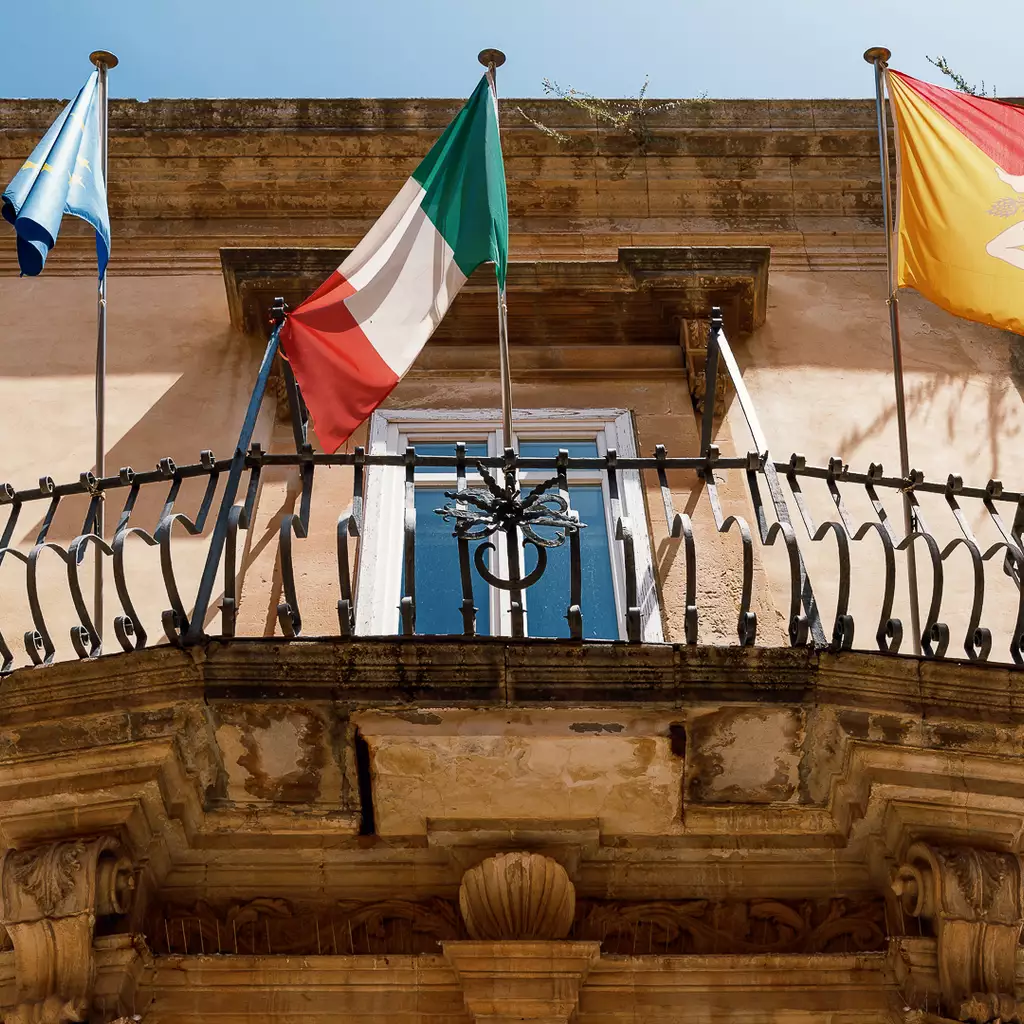
Zacco Palace, located on Via San Vito in Ragusa, is one of the finest and most representative examples of Sicilian Baroque. Built in the second half of the 18th century, it was the residence of the noble Zacco family, prominent members of the Ragusa aristocracy. The building is distinguished by its majestic façade, characterised by six monumental balconies supported by corbels sculpted with grotesque masks, anthropomorphic figures, fantastic animals and floral motifs, typical of the Ibleo Baroque inspiration. These decorative elements, lively and theatrical, give the building a scenographic and suggestive appearance. The interior preserves frescoes, decorated wooden ceilings and architectural details that testify to the taste and refinement of the period. Today, Palazzo Zacco is home to cultural institutions and hosts exhibitions and events, becoming a point of reference for the appreciation of Ragusa’s historical and artistic heritage. An essential stop for those exploring the Baroque heart of the city.