The Gorgo Salato, Bruno and Longarini Marshes

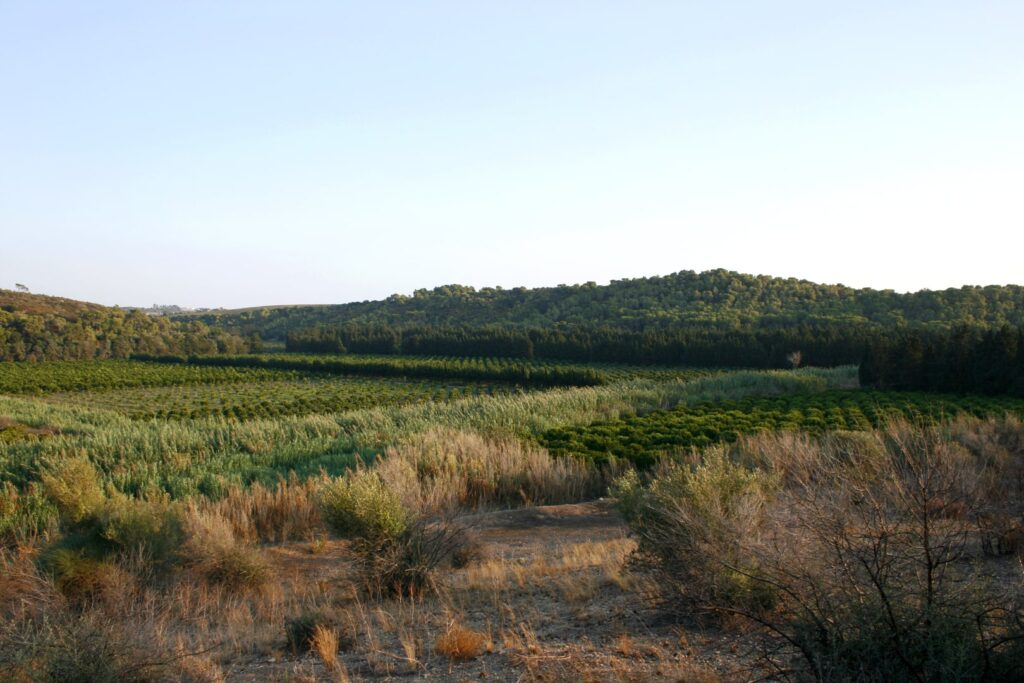
The Pantani Gorgo Salato, Bruno, and Longarini form an important system of coastal wetlands located along the southern stretch of the municipality of Ispica. They represent one of the most significant natural environments in southeastern Sicily. These brackish ponds, of natural origin, lie between sandy dunes and cultivated fields and provide valuable habitats for hundreds of migratory and resident bird species, including flamingos, herons, and black-winged stilts. The vegetation is typical of wetland areas, with reeds, rushes, and other halophytic plants. Once used for salt collection and agricultural activities, the pantani are now protected as Sites of Community Importance (SCIs) and are dedicated to sustainable uses. Popular with birdwatchers, photographers, and nature enthusiasts, they offer hiking trails and environmental education projects, actively contributing to the conservation of biodiversity and the promotion of the landscape and cultural heritage of the Ispica area.

Baia Porto Ulisse

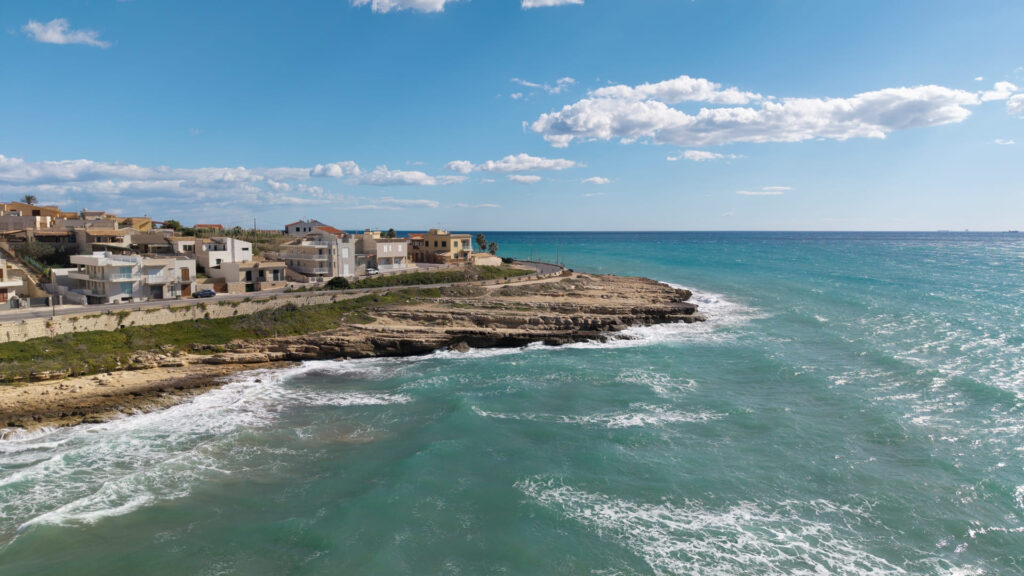
Baia Porto Ulisse is a charming natural cove located along the southeastern coast of the municipality of Ispica, set in an unspoiled landscape where sea, rock, and Mediterranean vegetation blend harmoniously. Known for its clear waters and seabeds alternating between rocky areas and small sandy stretches, the bay is a valuable habitat for marine flora and fauna, making it ideal for snorkeling, sport fishing, and diving. Archaeological remains in the area confirm the ancient use of this stretch of coastline as a natural landing site. Baia Porto Ulisse is cherished by those seeking peace, relaxation, and a genuine connection with nature. Far from mass tourism, it offers spectacular scenery and seaside sunsets, providing a rejuvenating experience deeply tied to the history and identity of the Ispica region.

The Pino d’Aleppo Oriented Nature Reserve

The Pino d’Aleppo Oriented Nature Reserve spans approximately 3,000 hectares across the territories of Vittoria, Comiso, and Ragusa. Established in 1990, it is one of the largest protected regional areas and is home to the last natural stand of Pinus halepensis (Aleppo pine) in Sicily, part of the Natura 2000 Network (SCI Vallata del fiume Ippari). The vegetation includes pine forests, Mediterranean scrub, riparian zones, and extensive colonies of wild orchids. The fauna is highly diverse: many mammals and birds — including birds of prey and migratory species — coexist with reptiles and amphibians. The reserve is a valuable center for environmental studies, education, and sustainable tourism, offering hiking trails through woods and along the Ippari riverbanks. Managed by the Free Consortium of Ragusa, it faces challenges such as wildfires and river maintenance but remains a vital green lung for the Hyblean area.
Punta Secca Beach

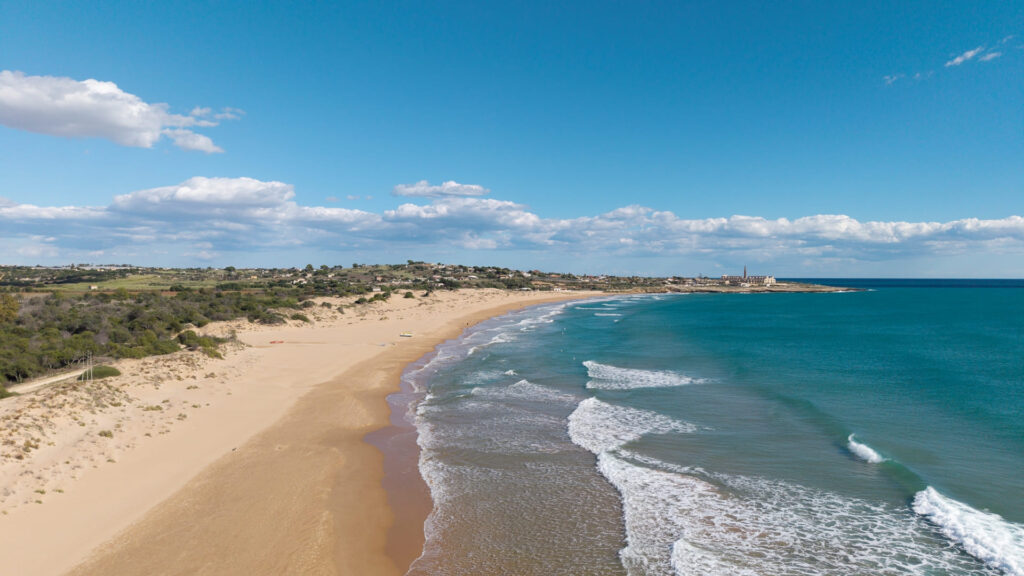
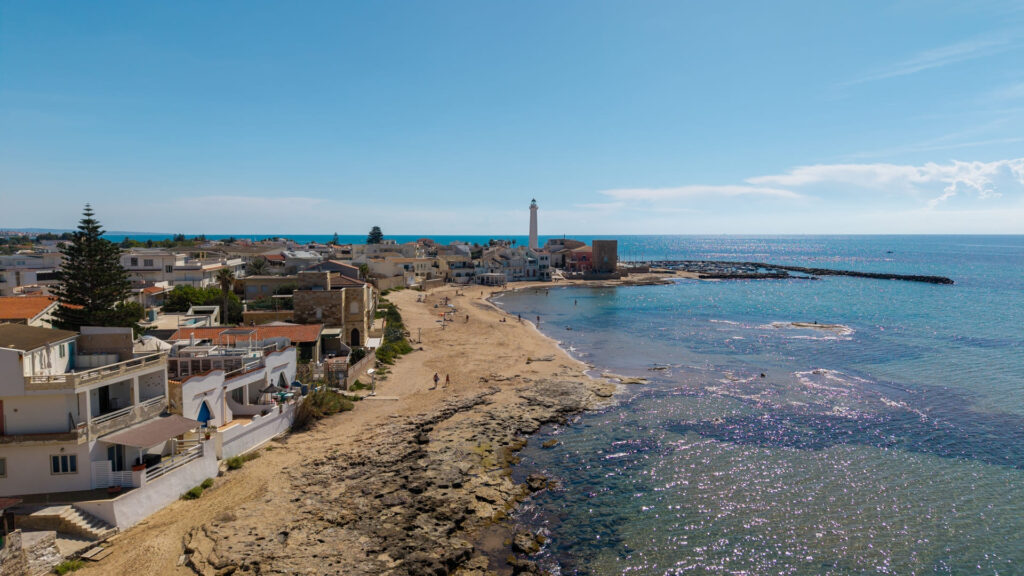
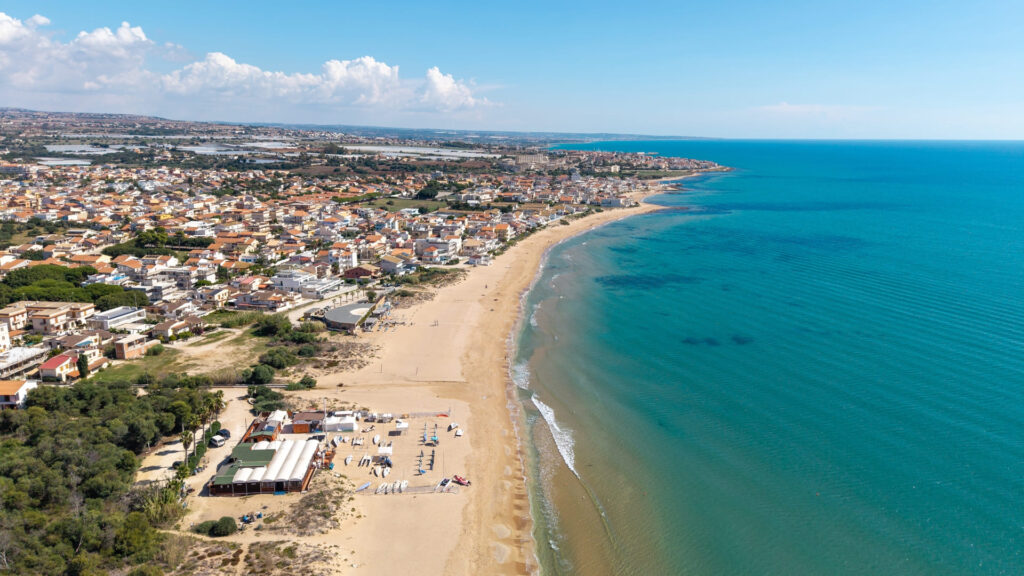
Punta Secca Beach is a fine, golden sandy shore located in the picturesque village of Santa Croce Camerina, along the Ragusa coastline. Locally known as “a sicca” due to the extensive rocky reefs emerging from the sea, the beach features clear waters and shallow seabeds, ideal for swimming and snorkeling, attracting families and marine enthusiasts. The environment is peaceful and charming, framed by a seafront promenade lined with typical houses and seafood restaurants offering local specialties and a welcoming atmosphere. Punta Secca gained international fame thanks to the TV series Inspector Montalbano, which turned the beach into the famous set of “Marinella,” introducing iconic locations such as the commissioner’s house and the restaurant “Enzo a Mare” to a wide audience. In addition, the beach is equipped with the “Anticaglie” lido and several refreshment points that ensure visitor comfort. Between breathtaking sunsets and crystal-clear waters, Punta Secca remains one of the most beloved seaside destinations in the Ragusa area, with a unique cultural and recreational value.

Caucana Beach

Caucana Beach, historically known as Kaukana, stretches for about 2 km along the Lungomare delle Anticaglie, between Punta Secca and Marina di Ragusa. Characterized by fine golden sand, emerging rocks, and gently sloping seabeds, it is an ideal spot for families and snorkeling enthusiasts, with crystal-clear waters and a still unspoiled natural environment. Simply equipped, it offers public showers, nearby bars, and restaurants, and has been awarded the Green Flag for its child-friendly bathing conditions. Behind the beach lies the Kaukana Archaeological Park, where the remains of a Greco-Roman settlement emerge, including houses, mosaics, and late antique structures. The site combines the beauty of the sea with historical significance, offering an exceptional testimony to the ancient origins of the territory and a fascinating space to explore.

Donnalucata

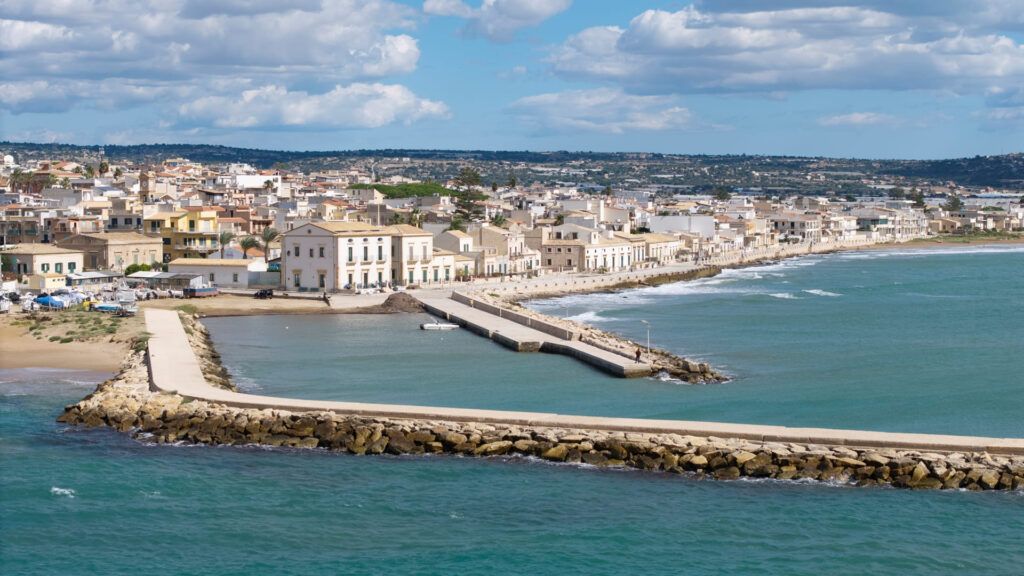
Donnalucata, a seaside hamlet of Scicli, is a charming village overlooking the Mediterranean Sea, renowned for its golden beaches, fishing port, and authentic atmosphere. Its name likely derives from a freshwater spring that emerges near the shoreline, around which the first settlement developed. Historically tied to fishing and maritime trade, the village has preserved its traditional character over time. One of its landmarks is the Church of Saint Catherine of Siena, built in the 19th century in a panoramic position. Donnalucata also gained widespread fame thanks to the TV series Inspector Montalbano, which showcased its timeless charm. Even today, the village retains a genuine spirit, with colorful boats, fish markets, and the scents of seafood cuisine, offering an experience rich in sea, history, and Sicilian culture.

Park of San Giuseppe ‘U Timpuni

The Park of San Giuseppe ‘U Timpuni represents the true “green lung” in the heart of Modica’s historic centre, an oasis of peace and beauty set amidst the evocative alleyways of Ragusa’s Baroque. Located in a formerly abandoned area, it is now a virtuous example of urban and environmental regeneration. It houses an amphitheatre that hosts cultural events and jazz concerts, a well-equipped dog area and a Mediterranean scrub grove, the core of the CO₂Zero project promoted by ChocoModica, thanks to which 80 native trees were planted in 2019 to help reduce emissions. In March 2024, the park was further enriched with the inauguration of the Garden of the Righteous, where two trees were dedicated to Nicholas Winton and Felicia Impastato, witnesses of courage and memory. Walking along its paths and sitting on the benches is an immersive experience of nature, civic engagement and shared culture.

Exotic Garden “ITimpi”

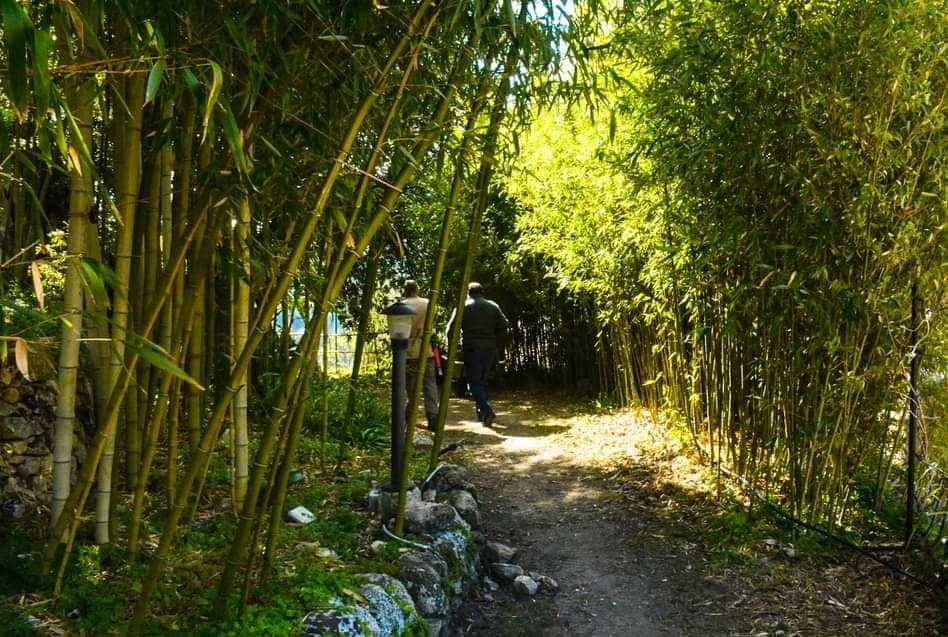
The “I Timpi” Exotic Garden is a secret green oasis nestled in the heart of the Casale district, a stone’s throw from Modica’s historic centre. Arranged on a natural terrace, it is a harmonious combination of Mediterranean vegetation and exotic plants, including over 40 species of bamboo from all over the world, including the precious Bambusa vulgaris “Wamin”. Created at the behest of Michelangelo Ferlanti and continued by his grandson Napolitano, the garden is now managed by the Movimento Azzurro, which opens it up to visits by appointment, educational workshops, sunset concerts and sensory trails. It offers an evocative and relaxing view of the city, representing an extraordinary combination of nature, environmental culture and urban regeneration. The “I Timpi” Garden is a green, usable, educational lung and symbol of sustainable regeneration. It is an unmissable stop for those seeking a different experience, immersed in greenery and contemplation, a stone’s throw from the Baroque heart of Modica.

Quarry of “Servi”

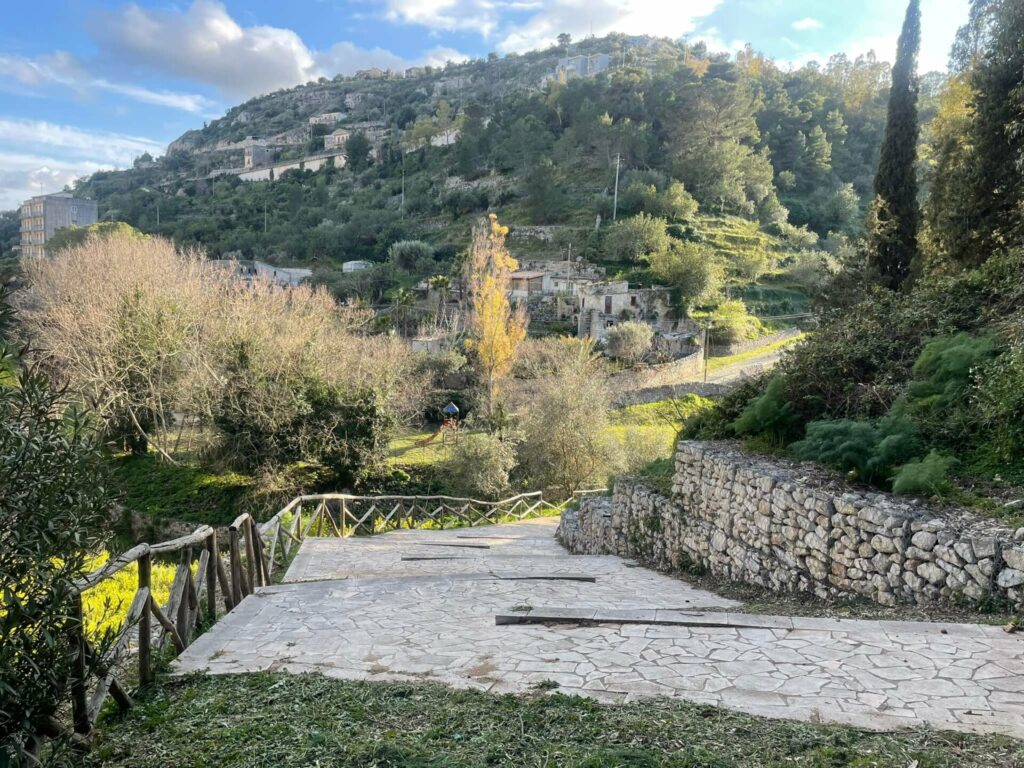
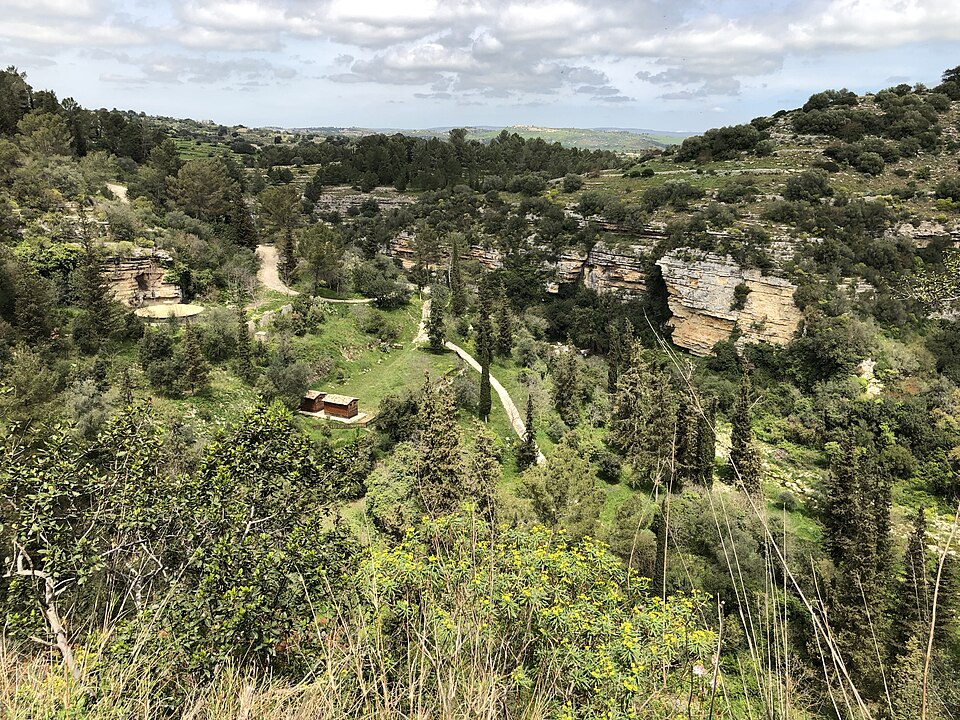
Quarry of “Servi” is an evocative natural gorge nestled in the Monti Iblei, modelled over the millennia by the Tellesimo torrent, which has carved its bottom, creating spectacular landscapes. It lies on the border between the territories of Modica and Rosolini and is distinguished by its typically Mediterranean lush vegetation, limestone cliffs and a still unspoilt environment where nature reigns supreme. This fascinating place preserves important archaeological evidence dating back to the Bronze Age, including dolmens, cave tombs and remains attributed to the Castelluccio culture, attesting to the ancient human presence in this area. Of particular note is the Gorgo della Campana, an evocative natural cavity rich in water and legend. Cava dei Servi is today a privileged destination for hikers, scholars, naturalists and archaeology enthusiasts, who can enjoy a unique experience here in contact with the history and landscape of the Hyblean mountains.

Marina di Modica

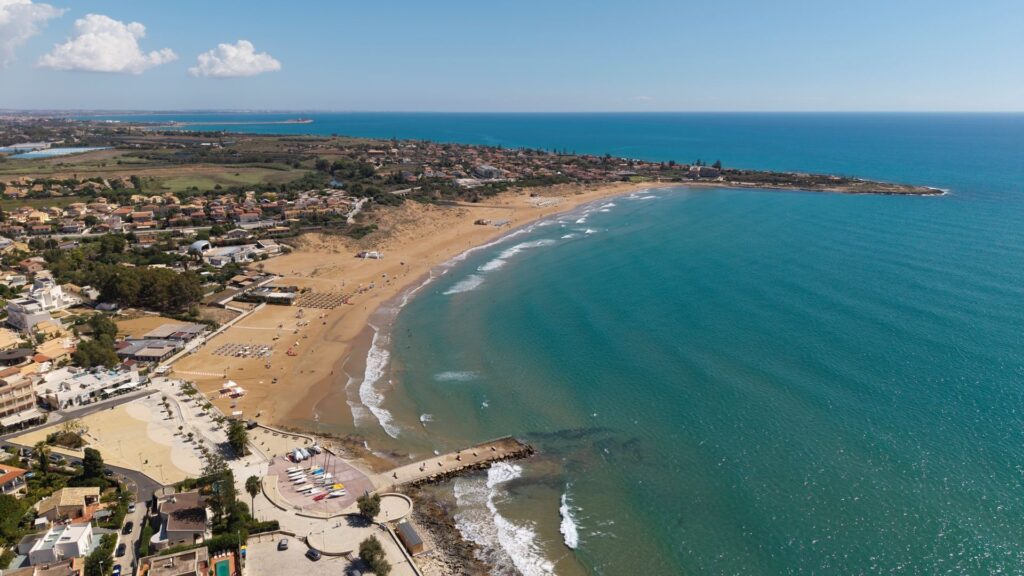
Marina di Modica is a lively and welcoming seaside resort located on the south-eastern coast of Sicily, overlooking the Mediterranean Sea and belonging to the municipality of Modica. Born as a small fishing village, over time it has developed into one of the most popular tourist destinations in the area, without losing its authenticity and relaxed character. It is known for its long, golden beach, lapped by crystal-clear waters and framed by a wind-shaped shoreline that attracts surfing, windsurfing and water sports enthusiasts every year. The mild climate for much of the year and the quality of the marine environment make it ideal for relaxing holidays and contact with nature. The heart of the resort is the central square, the hub of social life, and the waterfront, which in summer comes alive with cultural events, markets, concerts and moments of conviviality. Marina di Modica is the perfect place for those seeking sun, sea and authentic Hyblean hospitality.