Maganuco

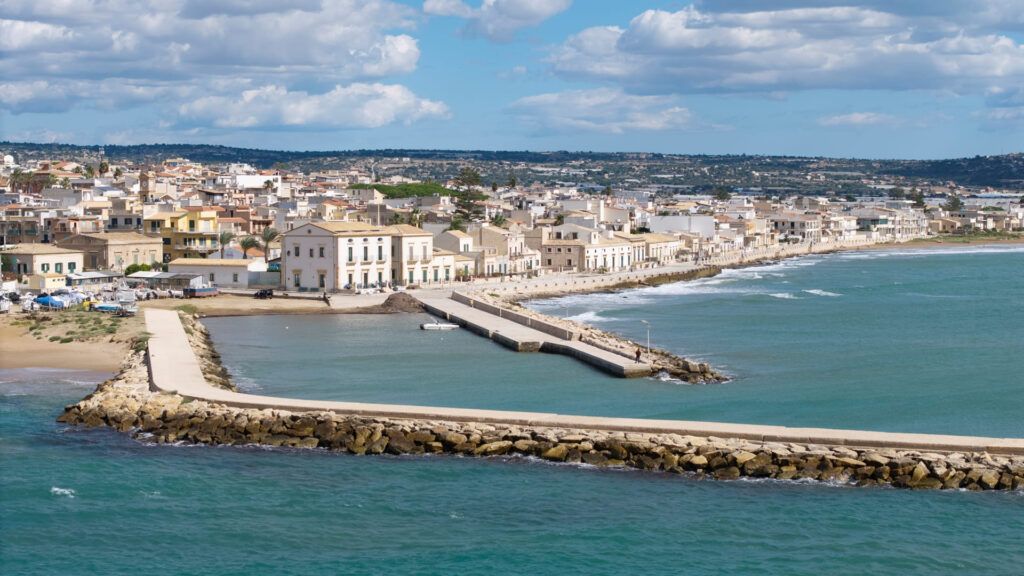
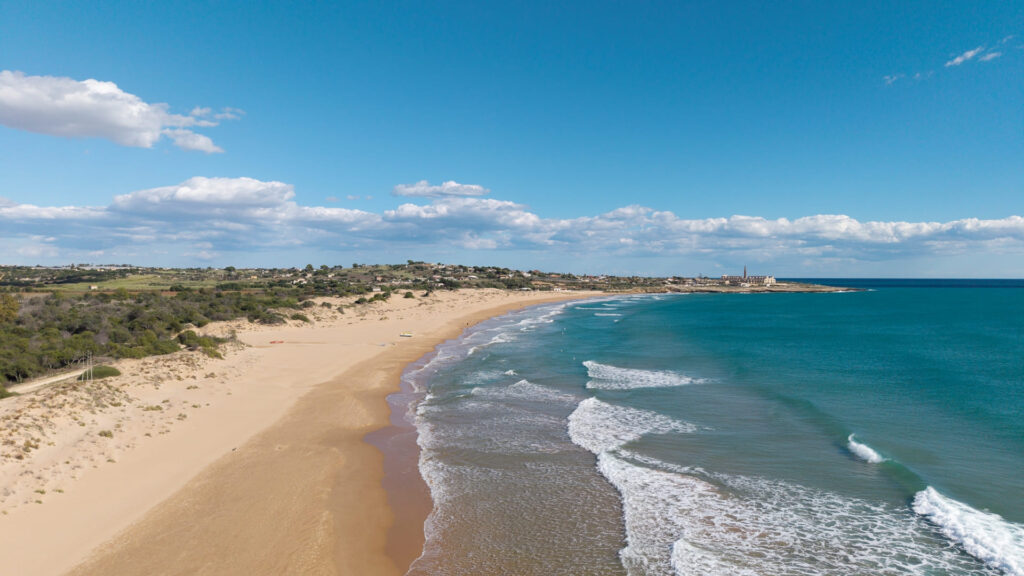
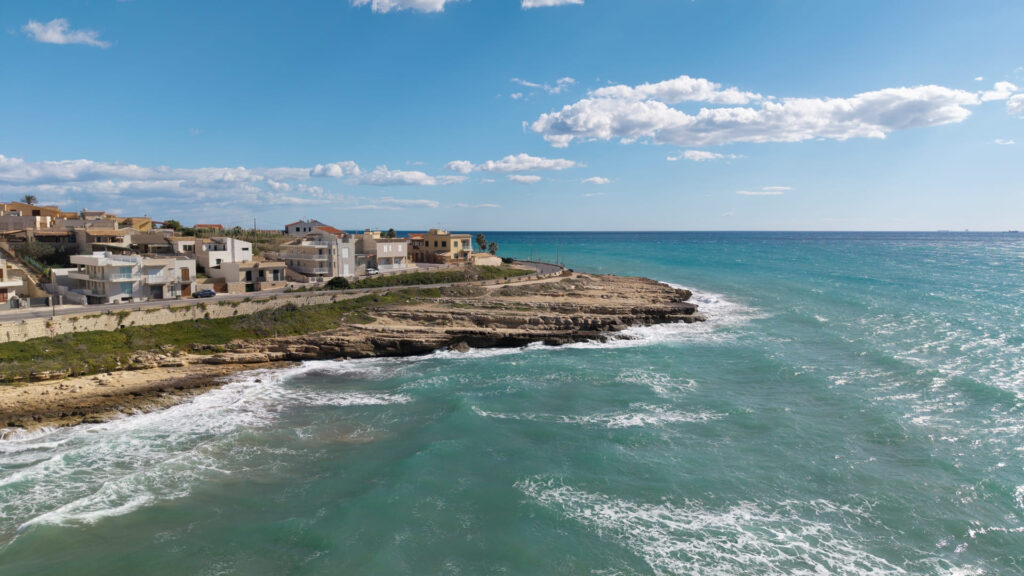
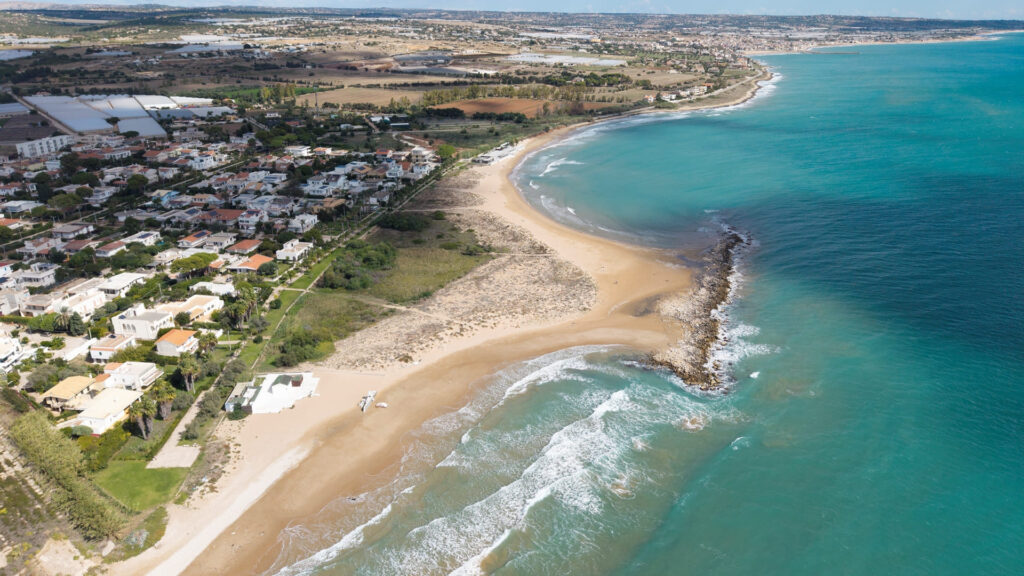
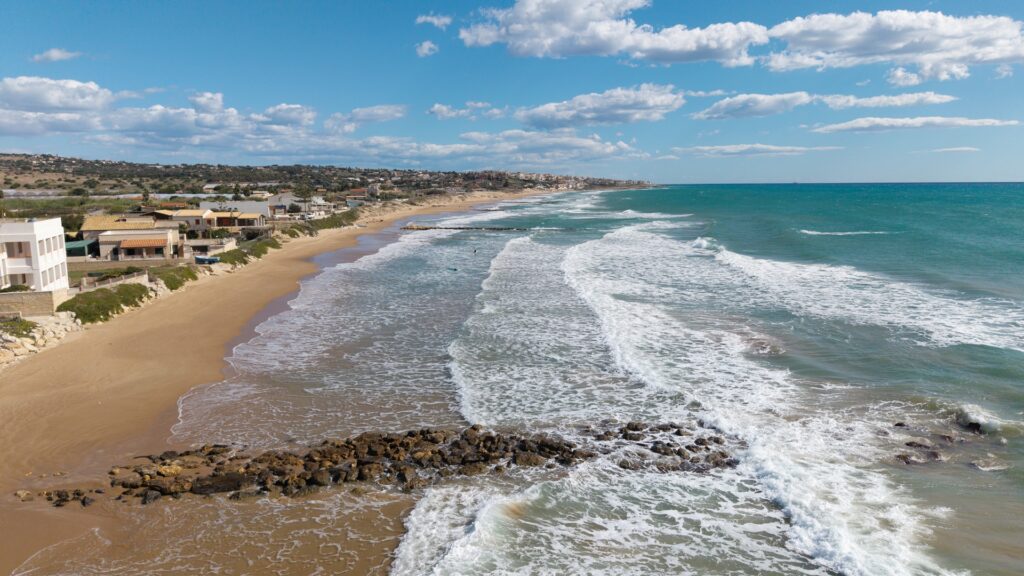
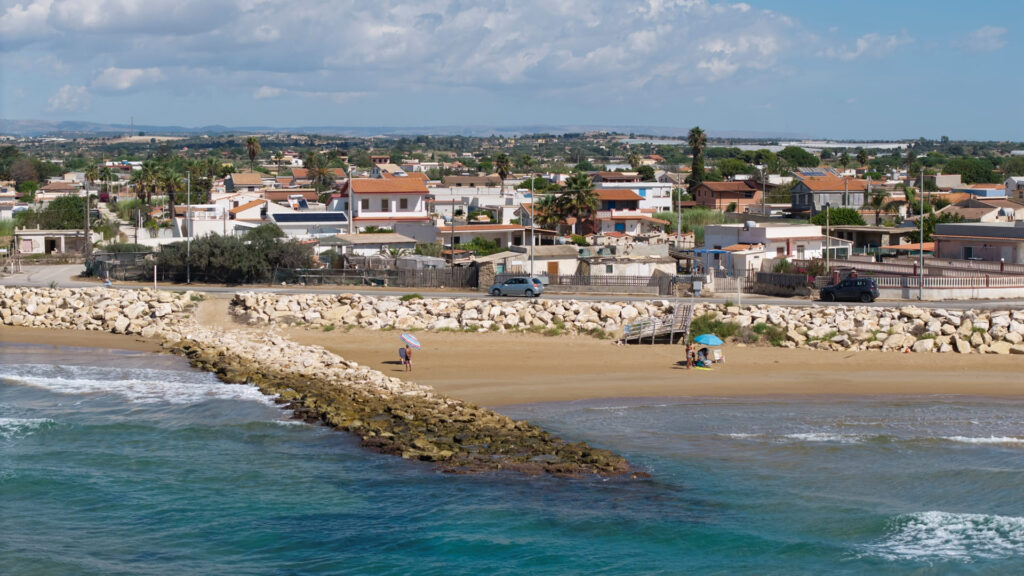
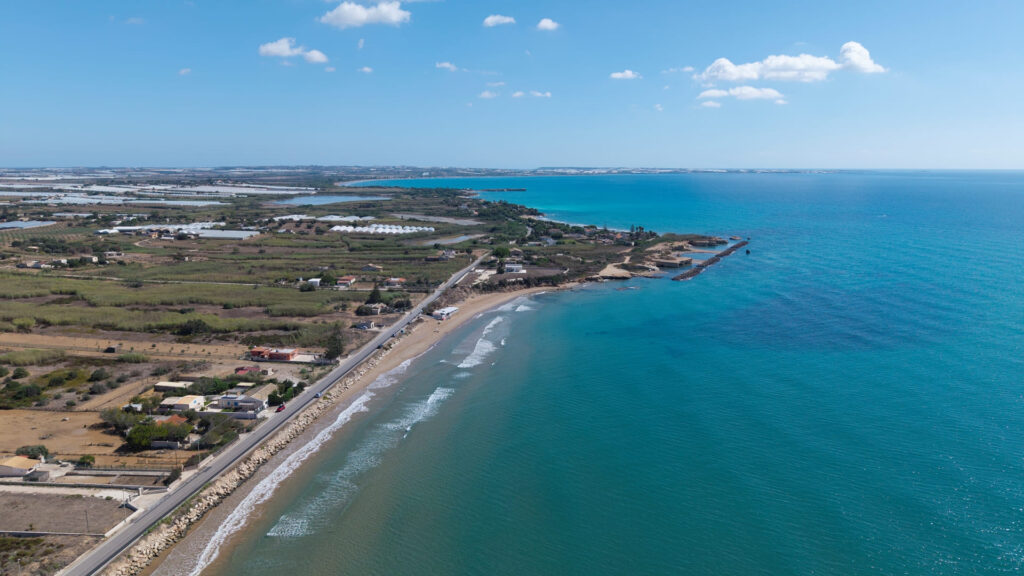
Maganuco è una piccola ma significativa frazione costiera del comune di Modica, situata lungo il litorale sud-orientale della Sicilia, in prossimità del porto di Pozzallo. Caratterizzata da una vasta spiaggia di sabbia dorata e da acque limpide e poco profonde, Maganuco è una meta apprezzata durante la stagione estiva da chi cerca tranquillità, mare pulito e ampi spazi naturali. Sebbene non presenti edifici storici o monumenti di rilievo, la località riveste un certo interesse per il suo ruolo nella recente evoluzione del territorio, in particolare per la sua vicinanza al polo industriale e commerciale del porto, che ha segnato lo sviluppo economico dell’area. Qui si trovano anche alcune testimonianze di archeologia industriale che raccontano la trasformazione del paesaggio e delle attività produttive locali. Il contrasto tra il paesaggio naturale, la presenza balneare e le infrastrutture industriali conferisce a Maganuco un’identità unica, sospesa tra relax, modernità e memoria contemporanea.

Parco San Giuseppe ’U Timpuni

Il Parco di San Giuseppe ‘U Timpuni rappresenta il vero “polmone verde” nel cuore del centro storico di Modica, un’oasi di quiete e bellezza incastonata tra i suggestivi vicoli del barocco ragusano. Situato in una zona un tempo abbandonata, è oggi un esempio virtuoso di rigenerazione urbana e ambientale. Al suo interno ospita un anfiteatro che accoglie eventi culturali e concerti jazz, un’area cani ben attrezzata e un boschetto di macchia mediterranea, nucleo del progetto CO₂Zero promosso da ChocoModica, grazie al quale nel 2019 sono stati piantati 80 alberi autoctoni per contribuire alla riduzione delle emissioni. A marzo 2024, il parco si è arricchito ulteriormente con l’inaugurazione del Giardino dei Giusti, dove due alberi sono stati dedicati a Nicholas Winton e Felicia Impastato, testimoni di coraggio e memoria. Passeggiare tra i suoi sentieri e sedersi sulle panchine equivale a vivere un’esperienza immersiva tra natura, impegno civile e cultura condivisa.

Giardino Esotico “I Timpi”

Il Giardino Esotico “I Timpi” è un’oasi verde segreta immersa nel cuore del quartiere Casale, a due passi dal centro storico di Modica. Disposto su una terrazza naturale, è un’armoniosa combinazione tra vegetazione mediterranea e piante esotiche, tra cui oltre 40 specie di bambù provenienti da tutto il mondo, incluso il prezioso Bambusa vulgaris ‘Wamin’. Nato per volontà di Michelangelo Ferlanti e portato avanti dal nipote Napolitano, il giardino è oggi gestito dal Movimento Azzurro, che lo apre a visite su prenotazione, laboratori didattici, concerti al tramonto e percorsi sensoriali. Offre una vista suggestiva e rilassante sulla città, rappresentando uno straordinario connubio tra natura, cultura ambientale e rigenerazione urbana. Il Giardino “I Timpi” è un polmone verde, fruibile, educativo e simbolo di rigenerazione sostenibile. È una tappa imperdibile per chi cerca un’esperienza diversa, immersa nel verde e nella contemplazione, a due passi dal cuore barocco di Modica.

Santa Maria del Focallo

Santa Maria del Focallo is a renowned seaside resort located along the beautiful coast of the municipality of Ispica, in southeastern Sicily. Especially famous for its long beach of fine golden sand, the area is distinguished by its evocative coastal dunes and rich Mediterranean scrubland that surrounds it, creating a natural environment of great value and beauty. Its crystal-clear waters and consistently clean beaches have earned it the prestigious Blue Flag several times, a symbol of environmental quality and excellent tourist services. Today, Santa Maria del Focallo is a popular destination for tourists and families seeking a place to combine sea, relaxation, and nature, also thanks to a solid network of accommodation, well-equipped beach establishments, and green areas. The location offers a peaceful and welcoming atmosphere, ideal for a regenerating summer holiday immersed in the Mediterranean landscape.

Marina di Marza

Marina di Marza is a peaceful and charming seaside locality in the territory of Ispica, nestled between Santa Maria del Focallo and the scenic area of Punta Ciriga. Characterized by wide golden beaches, shallow seabeds, and crystal-clear waters, it is an ideal destination for families, children, and those seeking relaxation in an unspoiled natural environment. The cliffs and coves along the coast preserve traces of ancient settlements and historical remains, adding cultural interest and charm to the landscape. Just a short distance away are important archaeological and natural sites, making Marina di Marza a perfect starting point for excursions exploring the Hyblean territory. Today, despite growing tourism and residential development, the locality retains an authentic lifestyle, marked by a slow pace and deep-rooted traditions. It is a corner of Sicily where nature, history, and tranquility harmoniously blend.

Punta Ciriga

Punta Ciriga is a picturesque coastal promontory located along the Ionian coast in the municipality of Ispica, in southeastern Sicily. Characterized by rock formations sculpted by wind and sea, sandy coves, and cliffs overlooking the water, the landscape takes on a wild and captivating appearance. The area is surrounded by lush Mediterranean vegetation and is home to remarkable marine biodiversity, making it ideal for outdoor activities such as snorkeling, scenic walks, and sport fishing. The clear waters, rich seabed, and breathtaking sunsets make Punta Ciriga a favorite spot for hikers, photographers, and nature enthusiasts. Its proximity to important archaeological sites, such as Cava d’Ispica, and coastal nature reserves, enhances its historical and scenic interest. Punta Ciriga represents the perfect balance of natural beauty, silence, and discovery, offering an authentic and rejuvenating experience.

The Gorgo Salato, Bruno and Longarini Marshes

The Pantani Gorgo Salato, Bruno, and Longarini form an important system of coastal wetlands located along the southern stretch of the municipality of Ispica. They represent one of the most significant natural environments in southeastern Sicily. These brackish ponds, of natural origin, lie between sandy dunes and cultivated fields and provide valuable habitats for hundreds of migratory and resident bird species, including flamingos, herons, and black-winged stilts. The vegetation is typical of wetland areas, with reeds, rushes, and other halophytic plants. Once used for salt collection and agricultural activities, the pantani are now protected as Sites of Community Importance (SCIs) and are dedicated to sustainable uses. Popular with birdwatchers, photographers, and nature enthusiasts, they offer hiking trails and environmental education projects, actively contributing to the conservation of biodiversity and the promotion of the landscape and cultural heritage of the Ispica area.

Baia Porto Ulisse

Baia Porto Ulisse is a charming natural cove located along the southeastern coast of the municipality of Ispica, set in an unspoiled landscape where sea, rock, and Mediterranean vegetation blend harmoniously. Known for its clear waters and seabeds alternating between rocky areas and small sandy stretches, the bay is a valuable habitat for marine flora and fauna, making it ideal for snorkeling, sport fishing, and diving. Archaeological remains in the area confirm the ancient use of this stretch of coastline as a natural landing site. Baia Porto Ulisse is cherished by those seeking peace, relaxation, and a genuine connection with nature. Far from mass tourism, it offers spectacular scenery and seaside sunsets, providing a rejuvenating experience deeply tied to the history and identity of the Ispica region.

The Pino d’Aleppo Oriented Nature Reserve

The Pino d’Aleppo Oriented Nature Reserve spans approximately 3,000 hectares across the territories of Vittoria, Comiso, and Ragusa. Established in 1990, it is one of the largest protected regional areas and is home to the last natural stand of Pinus halepensis (Aleppo pine) in Sicily, part of the Natura 2000 Network (SCI Vallata del fiume Ippari). The vegetation includes pine forests, Mediterranean scrub, riparian zones, and extensive colonies of wild orchids. The fauna is highly diverse: many mammals and birds — including birds of prey and migratory species — coexist with reptiles and amphibians. The reserve is a valuable center for environmental studies, education, and sustainable tourism, offering hiking trails through woods and along the Ippari riverbanks. Managed by the Free Consortium of Ragusa, it faces challenges such as wildfires and river maintenance but remains a vital green lung for the Hyblean area.

Punta Secca Beach

Punta Secca Beach is a fine, golden sandy shore located in the picturesque village of Santa Croce Camerina, along the Ragusa coastline. Locally known as “a sicca” due to the extensive rocky reefs emerging from the sea, the beach features clear waters and shallow seabeds, ideal for swimming and snorkeling, attracting families and marine enthusiasts. The environment is peaceful and charming, framed by a seafront promenade lined with typical houses and seafood restaurants offering local specialties and a welcoming atmosphere. Punta Secca gained international fame thanks to the TV series Inspector Montalbano, which turned the beach into the famous set of “Marinella,” introducing iconic locations such as the commissioner’s house and the restaurant “Enzo a Mare” to a wide audience. In addition, the beach is equipped with the “Anticaglie” lido and several refreshment points that ensure visitor comfort. Between breathtaking sunsets and crystal-clear waters, Punta Secca remains one of the most beloved seaside destinations in the Ragusa area, with a unique cultural and recreational value.