Playa Grande and the Irminio River Mouth Nature Reserve

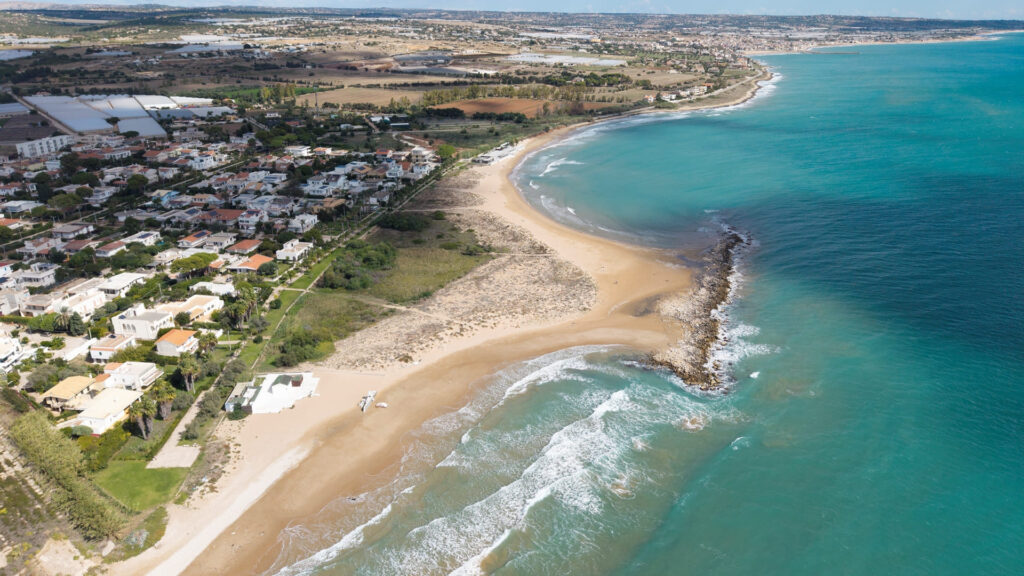
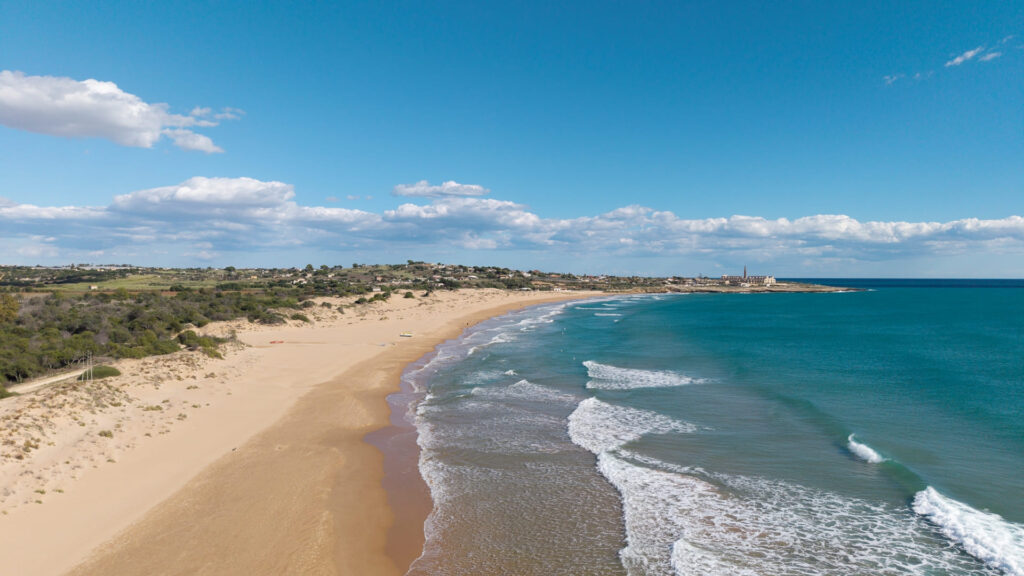
Playa Grande is a peaceful seaside resort located in the territory of Scicli, appreciated for its golden beaches, crystal-clear sea, and relaxed atmosphere. Set in a highly valuable natural environment, it hosts the Irminio River Mouth Nature Reserve, established in 1985 to protect one of the last unspoiled stretches of coastline in southeastern Sicily. In this unique ecosystem — where the Irminio River flows into the Mediterranean Sea — there are sand dunes, Mediterranean scrub, and a rich habitat for numerous migratory and resident bird species. The area is ideal for hiking, birdwatching, and scenic walks along nature trails surrounded by a wild and evocative landscape. Playa Grande offers a perfect balance between seaside vacation and contact with nature, making it a top destination for those seeking peace, natural beauty, and environmental respect.
Cava d’Aliga

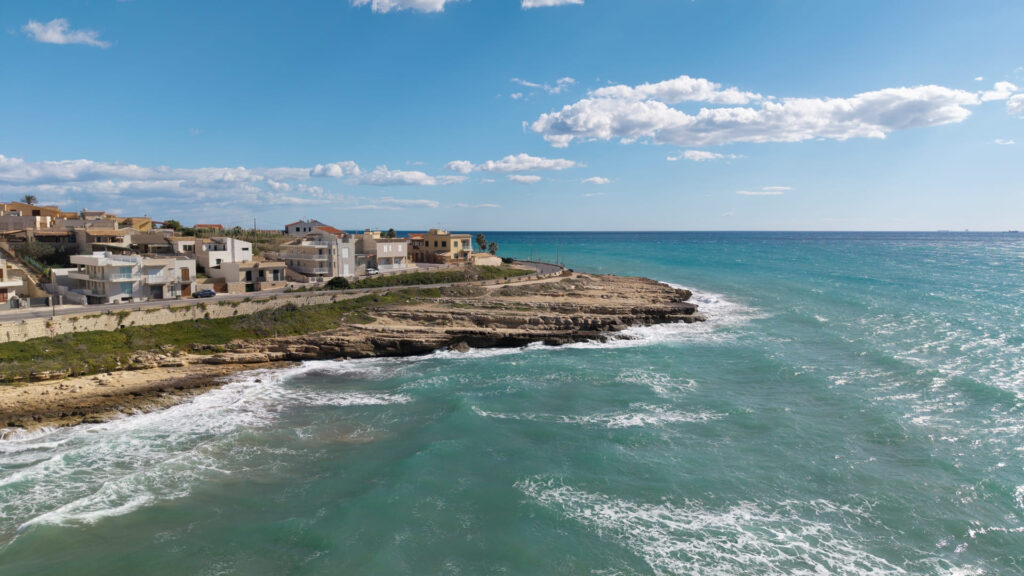
Cava d’Aliga is a picturesque seaside hamlet in the municipality of Scicli, originally developed around a small community of fishermen and holidaymakers. Located along the Hyblean coast, it is now a popular destination known for its varied landscape of sandy beaches, rocky cliffs, and sea caves — among which the evocative Smugglers’ Cave stands out, accessible only by sea. At the heart of the village is the Church of the Immaculate Heart of Mary, an important religious and social landmark for both residents and visitors. In summer, Cava d’Aliga comes alive with tourists and families seeking relaxation, while preserving a peaceful and familiar atmosphere that defines its charm. The combination of natural beauty, authenticity, and a human-scale dimension makes Cava d’Aliga one of the most beloved and visited coastal destinations in the Ragusa area — ideal for those seeking clear sea, nature, and tranquility.

Sampieri

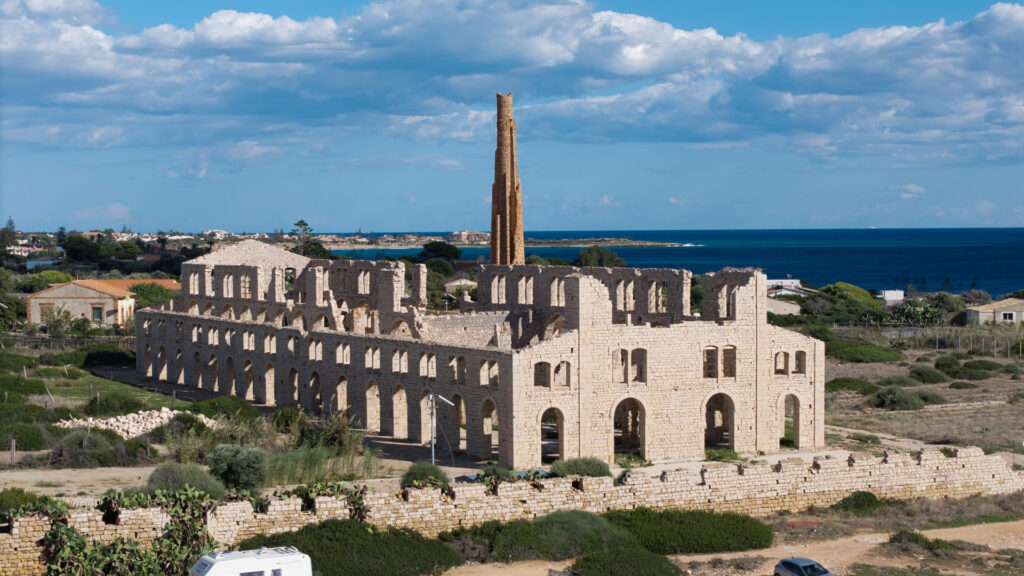
Sampieri is a charming seaside village located along the coast of Scicli, renowned for its picturesque landscape and authentic atmosphere. Once a small fishing village, it is now a popular tourist destination appreciated for its perfect balance of nature, history, and tradition. The typical sandstone houses, the small harbor, and the wide golden beaches give the place a timeless charm. The symbol of the village is the Penna Brick Factory, an impressive industrial ruin from the early 20th century — an extraordinary example of Liberty-style industrial archaeology, standing right on the seafront. Sampieri also gained fame thanks to the TV series Inspector Montalbano, which captured its most scenic corners, helping to highlight the area’s cultural and landscape heritage. Today, the village retains its simple soul, welcoming visitors in search of relaxation and authenticity.

Convent of the Rosario

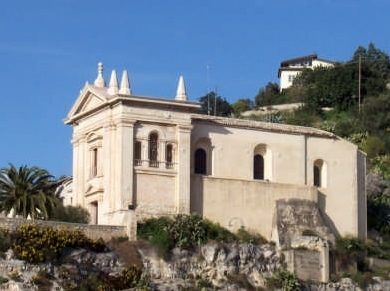
The Church and Convent of the Rosario, originally dedicated to Our Lady of Monserrato, is one of the oldest and most significant places of worship in Scicli. The church was built in 1516, as reported by the historian Rocco Pirri and documented in a 1539 notarial deed by Militello. Over the centuries, thanks to the deep devotion of the local population, the structure was expanded and enriched. Located at the top of Monte Campagna, the church overlooks a breathtaking landscape that embraces the surrounding countryside and the sea, offering a deeply evocative and spiritual setting. Next to the church, the convent was built, which for centuries served as a religious and cultural landmark for the area. Today, the complex is still used for worship and is enhanced through cultural initiatives that preserve its historical charm and spiritual significance.

Church of San Giuseppe

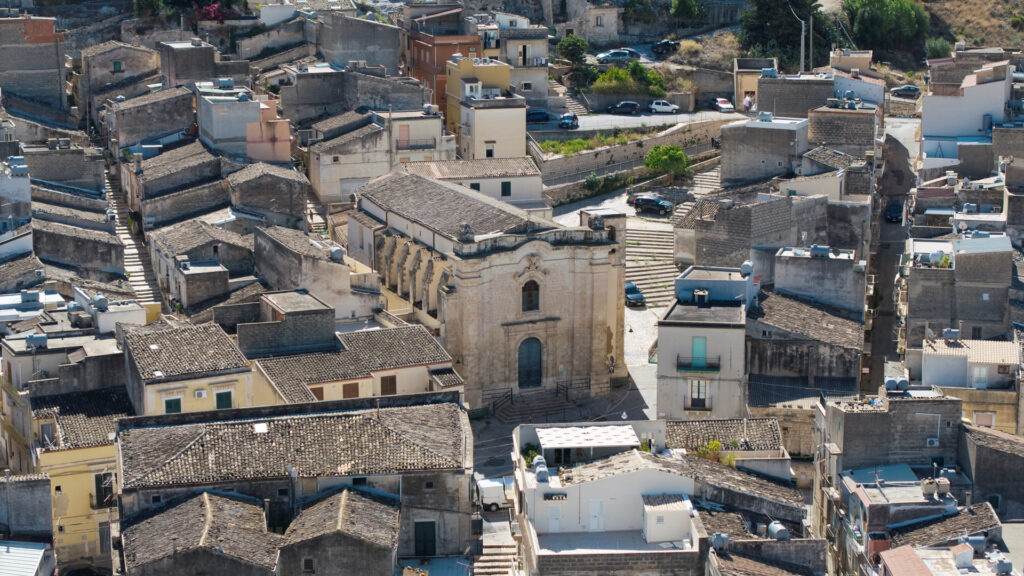
Founded around 1500 by Giannantonio Miccichè in the district then known as Pendino, now called San Giuseppe, the church was elevated to the rank of grange of the Mother Church in 1598 by will of Bishop Don Giovanni Orosco. The 1693 earthquake caused serious damage to the building, which was, however, quickly rebuilt following sober and essential architectural lines. This gives the church a restrained yet elegant grandeur, still clearly visible today. The single-nave structure is an example of balanced Baroque, harmoniously integrated into the urban fabric of Scicli. The church remains an important spiritual landmark for the San Giuseppe district community and stands as a valuable testament to post-earthquake architecture and the resilience of the city.

Palace Beneventano

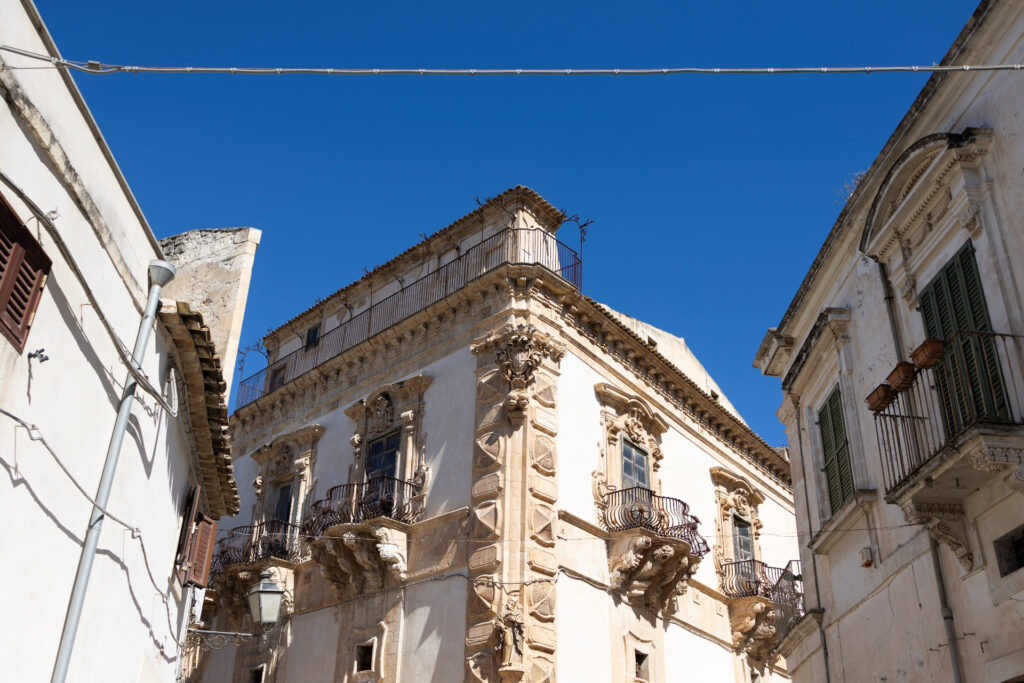
Palace Beneventano is one of the finest expressions of Sicilian Baroque, located on Via Duca D’Aosta in Scicli, in the heart of the historic center. Built in the 18th century, the palace stands out for the extraordinary artistic quality of its façade, adorned with grotesque masks, sculpted corbels, allegorical figures, and curved wrought-iron balconies. This combination of elements creates a dramatic visual effect that blends symbolism, irony, and fantasy in a unique synthesis. Cited by scholars and art historians as one of the most significant examples of Iblean Baroque, the palace is not currently open to the public but continues to attract visitors, photographers, and enthusiasts for its exceptional beauty. It is considered one of the symbolic monuments of Scicli and a noteworthy piece of international architectural heritage.

Busacca Square

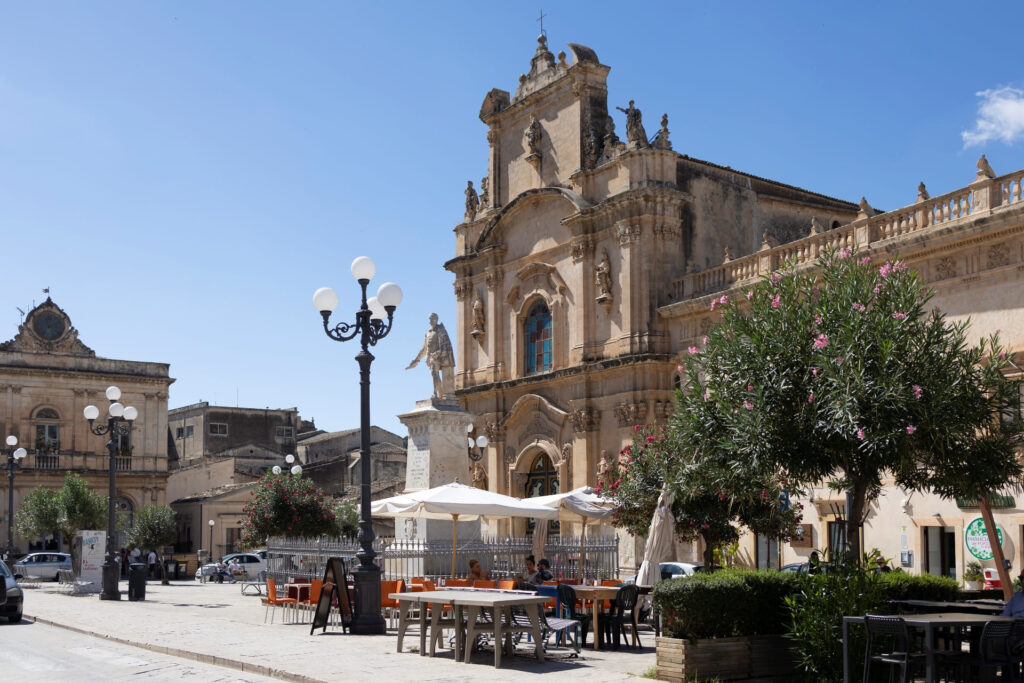
Busacca Square, located in the heart of Scicli, is one of the city’s most significant urban spaces, a crossroads of history, art, and everyday life. The square took on its current urban layout at the end of the 19th century, when in 1884 the monument to Pietro Di Lorenzo Busacca, a wealthy benefactor from Scicli, was placed there. Historic buildings surround the square, including the Church of the Carmine, built after the 1693 earthquake. The ogival portal and Gothic rose window are among the original elements that survived the quake, bearing witness to medieval architecture. The adjacent former Carmelite convent, now home to the municipal library, further enhances the cultural value of the site. Today, Piazza Busacca is a vibrant and lively space, hosting both civic and religious events, and remains a key meeting point for locals and tourists wishing to immerse themselves in the historical and social identity of the city.

Palace Spadaro

Palace Spadaro, located on Via Francesco Mormina Penna in Scicli, is a refined example of Sicilian Baroque architecture dating back to the 18th century. The façade features elegantly crafted wrought iron balconies, finely carved local stone portals, and rich stucco decorations that highlight the nobility and prestige of the family that once lived there. Inside, the palace preserves rooms of great artistic value, with coffered ceilings, frescoed halls, and original period furnishings that recreate the atmosphere of a bygone era. These elements tell the story of an aristocratic residence deeply rooted in Scicli’s cultural tradition. Today, Palazzo Spadaro is open to the public as a museum and hosts cultural events, exhibitions, and initiatives, serving as an important center for the promotion of local historical and artistic heritage.

Fornace Penna

The Fornace Penna, located in the hamlet of Sampieri in the municipality of Scicli, is a significant historical industrial site completed in 1912 in Contrada Pisciotto. Designed for the production of bricks and tiles, it was a cornerstone of the local ceramic industry and played a crucial role in the economic development of the Iblean area in the early 20th century. In 1926, the factory was severely damaged by an arson fire, the causes of which remain shrouded in mystery, and its production activities were compromised. Despite this, the complex has retained its grandeur thanks to its rationalist industrial architecture, featuring tall chimneys, masonry structures, and functional spaces that reflect its historical and technical value. Today, the Fornace Penna is promoted as a cultural and tourist site, hosting events, exhibitions, and initiatives that celebrate the industrial and traditional heritage of Sampieri and the surrounding area, acting as a bridge between past and present.

Via Francesco Mormina Penna

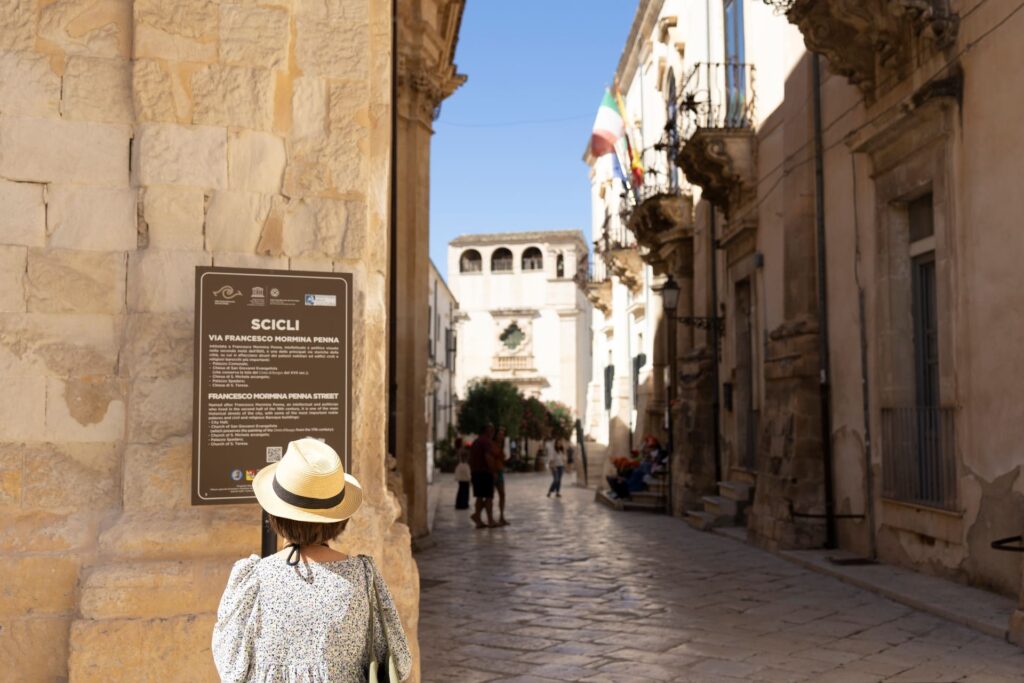
Via Francesco Mormina Penna is one of the main arteries of Scicli’s historic center and has been declared a UNESCO World Heritage Site as part of the “Late Baroque Towns of the Val di Noto.” The street gently descends from Piazza Municipio and features a sequence of buildings ranging from the 17th to the 20th century. Key landmarks along the way include the Church of San Giovanni Evangelista, the Church of Santa Teresa d’Avila, the Church of San Michele Arcangelo, and the Town Hall, built between 1902 and 1906 in an eclectic Neo-Renaissance style. The street is known for its harmonious blend of architectural styles, with façades in local limestone and Baroque decorations. It is a lively and well-frequented place, hosting cultural events and religious celebrations. The street also serves as a filming location for the famous TV series Inspector Montalbano, standing in as the police station of the fictional town of Vigata.