Donnafugata Castle

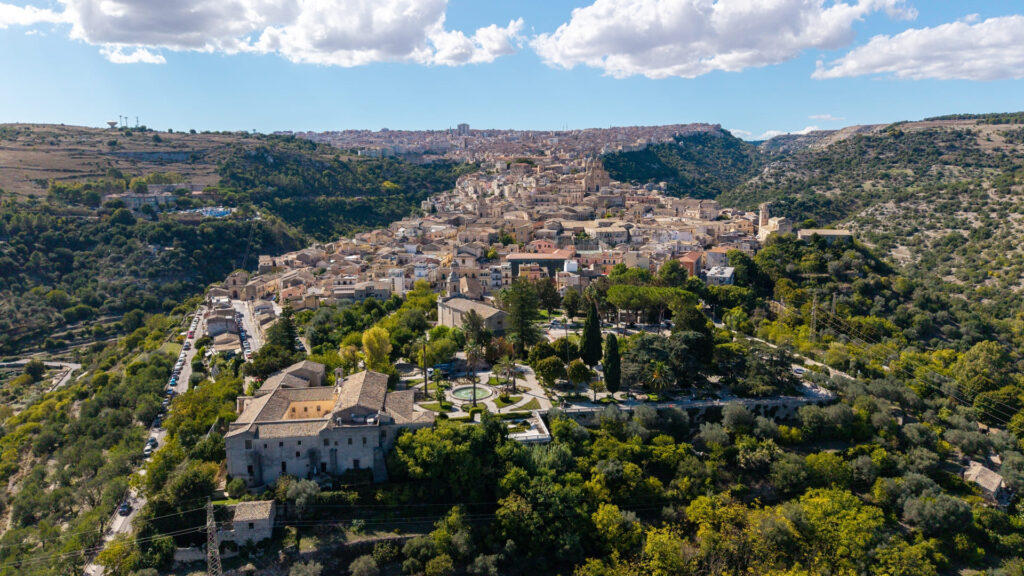
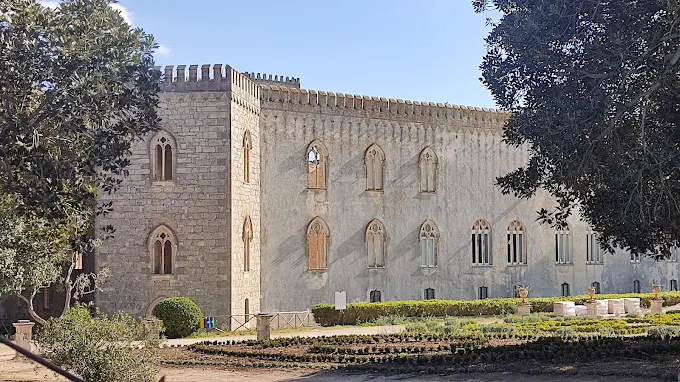
The Donnafugata Castle, located in the district of the same name a few kilometres from Ragusa, is a sumptuous 19th-century aristocratic residence built on pre-existing medieval structures. Its scenic neo-Gothic façade, with battlements and turrets, overlooks a charming rural landscape. Inside there are more than 120 rooms, many of which preserve original furnishings, frescoes and period objects that tell of the life of the Sicilian nobility. The castle is surrounded by a vast park in the English romantic style, embellished with artificial grottoes, an impressive stone maze, fountains and decorative pavilions. Now open to the public as a museum, it hosts cultural events and guided tours. The castle is also known for being the film set of the TV series “Il Commissario Montalbano”. A fascinating place where history, art and landscape come together in a unique way.
Church of Santa Maria delle Scale

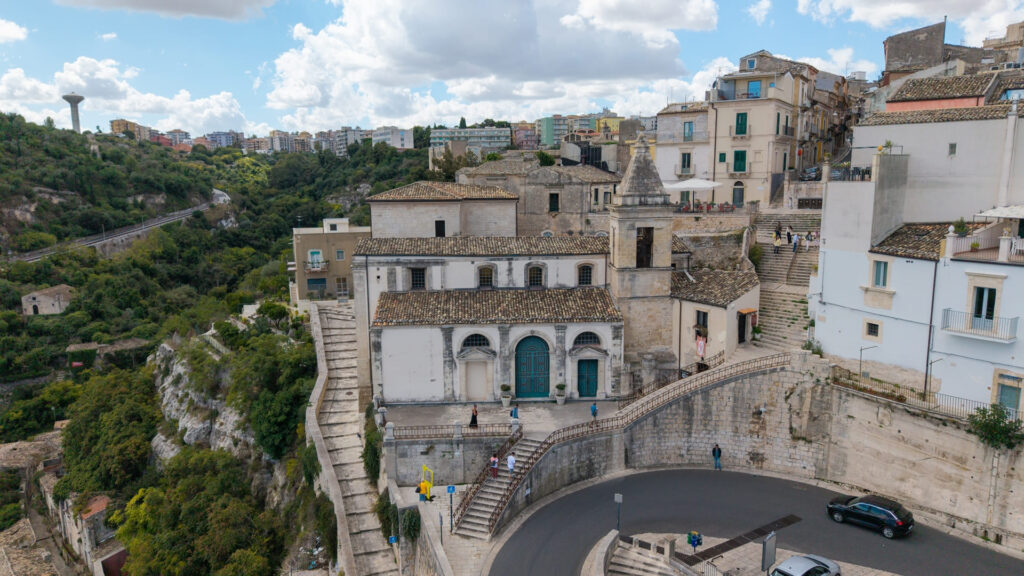
Located along the picturesque Discesa Santa Maria, which connects Ragusa Superiore to Ibla, the Church of Santa Maria delle Scale is one of the city’s oldest sacred places. Founded in the 14th century by Cistercian monks, it was enlarged and partially rebuilt after the 1693 earthquake, integrating Baroque elements with the original Gothic-Catalan structures. Evidence of this is the ogival portal, which has survived the centuries and leads to an interior with asymmetrical naves, enriched with stone decorations and valuable altars. The church is also famous for its privileged panoramic position: from the churchyard there is a spectacular view of Ragusa Ibla, with its roofs, churches and the surrounding green valley. A place of worship and contemplation, it is today one of the most popular destinations for the faithful, art lovers and tourists, for its architectural beauty and the strong symbolic value that links the two souls of the city.

Palace Arezzo of Donnafugata

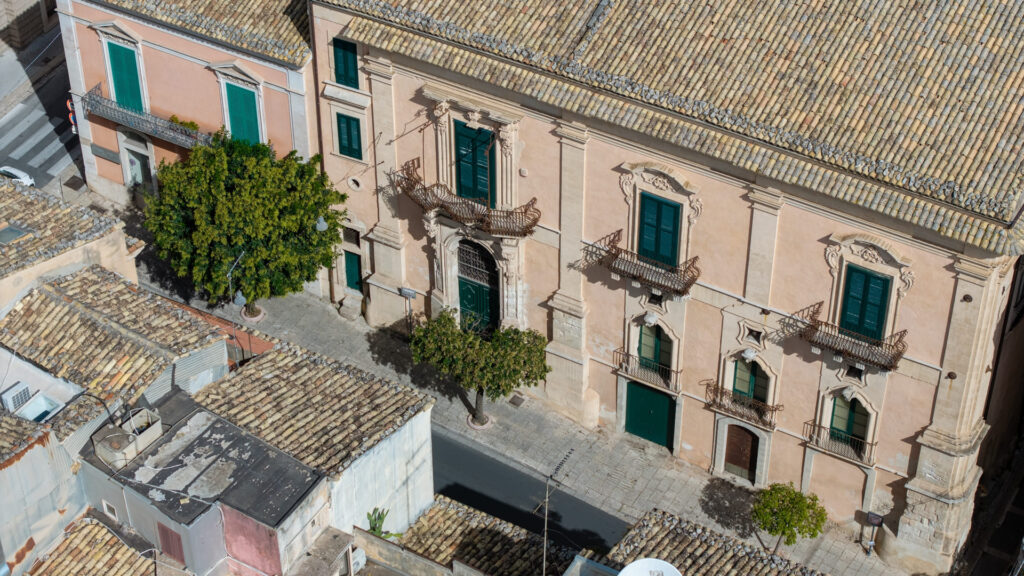
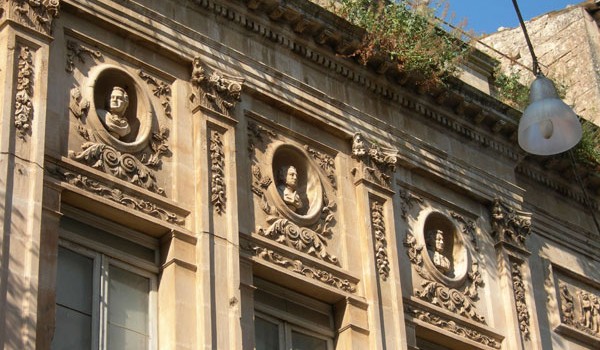
Palace Arezzo of Donnafugata, located on Corso XXV Aprile in the heart of Ragusa, is a historic and prestigious aristocratic residence with origins dating back to the 18th and 19th centuries. The building stands out for its eclectic architecture, combining neo-Gothic and neo-Renaissance influences, clearly visible in the elegant crenellated towers and rich decorations on the façade. Inside, the palace preserves refined frescoes, period furniture and artistic details that tell of the history and prestige of the Arezzo family, owners of this important monument. Today, Palazzo Arezzo di Donnafugata is an important cultural and tourist reference point for the city of Ragusa, open to guided tours and hosting events that enhance its artistic and historical heritage, helping to keep the local memory and cultural identity alive.

Post Office Palace

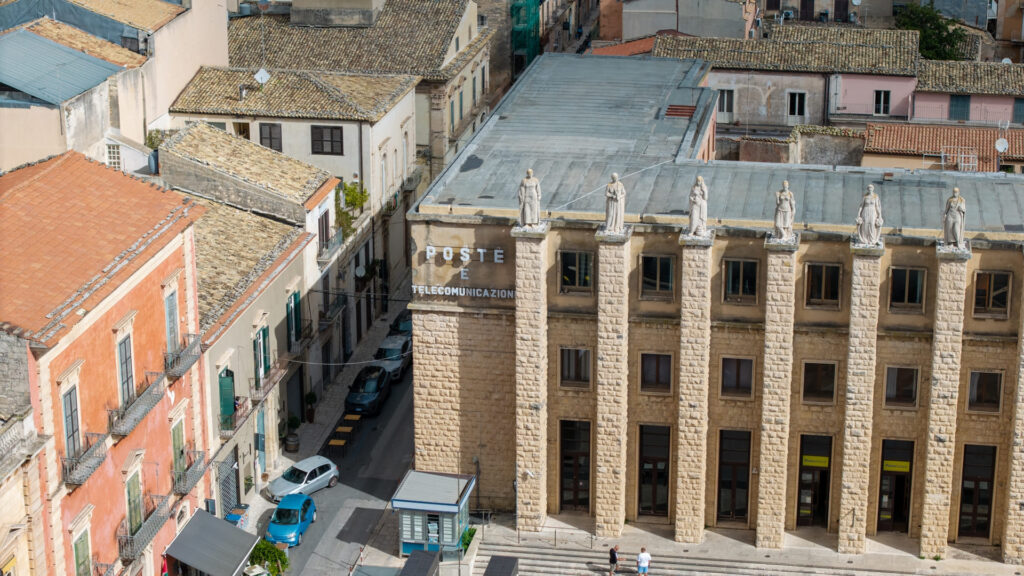
The Ragusa Post Office Palace, located in Piazza Matteotti, is one of the most significant examples of rationalist architecture in the city’s urban context. Built in the 1930s during the Fascist period, it was designed to meet the functional and representative needs of the new national administrative structure. Its façade is distinguished by its sober and geometric lines, devoid of superfluous decorations, in perfect Rationalist style, with compact volumes, rigorous symmetries and a balanced use of materials. The interiors, spacious and well-lit, still retain elegant marble cladding, original flooring and functional yet careful architectural details. The building represents a milestone in Ragusa’s urban modernisation and continues to house the headquarters of the Italian Post Office, remaining a landmark for 20th century public architecture and the historical memory of the contemporary city.

Square Duomo and the Church of San Giorgio

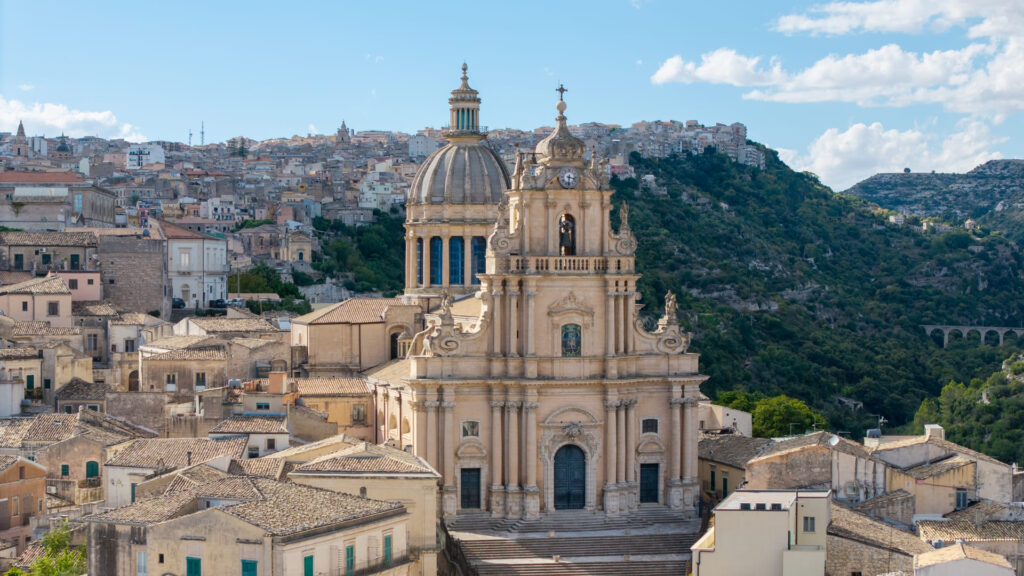
Squadre Duomo is the beating heart of Ragusa Ibla, framed by the majestic Church of San Giorgio, an authentic masterpiece of Sicilian Baroque built between 1739 and 1775. This church is distinguished by its imposing three-order façade, richly decorated with Corinthian columns, niches and statues reflecting the city’s deep religious and artistic tradition. The interior, finely decorated with elaborate stucco work and frescoes of great historical and artistic value, creates a solemn and evocative atmosphere. The monumental staircase that connects Piazza Duomo to the area below constitutes a scenic route of great visual impact, making the complex an essential reference point for believers, tourists and art and culture enthusiasts. Piazza Duomo is undoubtedly one of the most representative and best-loved symbols of Ragusa Ibla, a hub of religious and cultural events that animate the city’s historic heart.

Palace Bertini

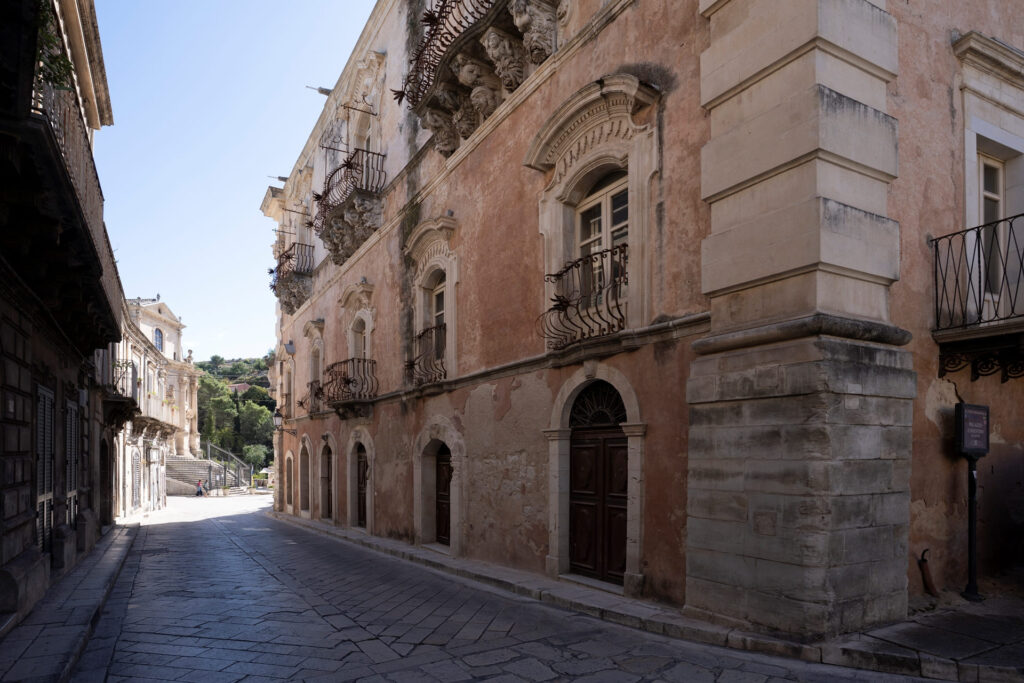
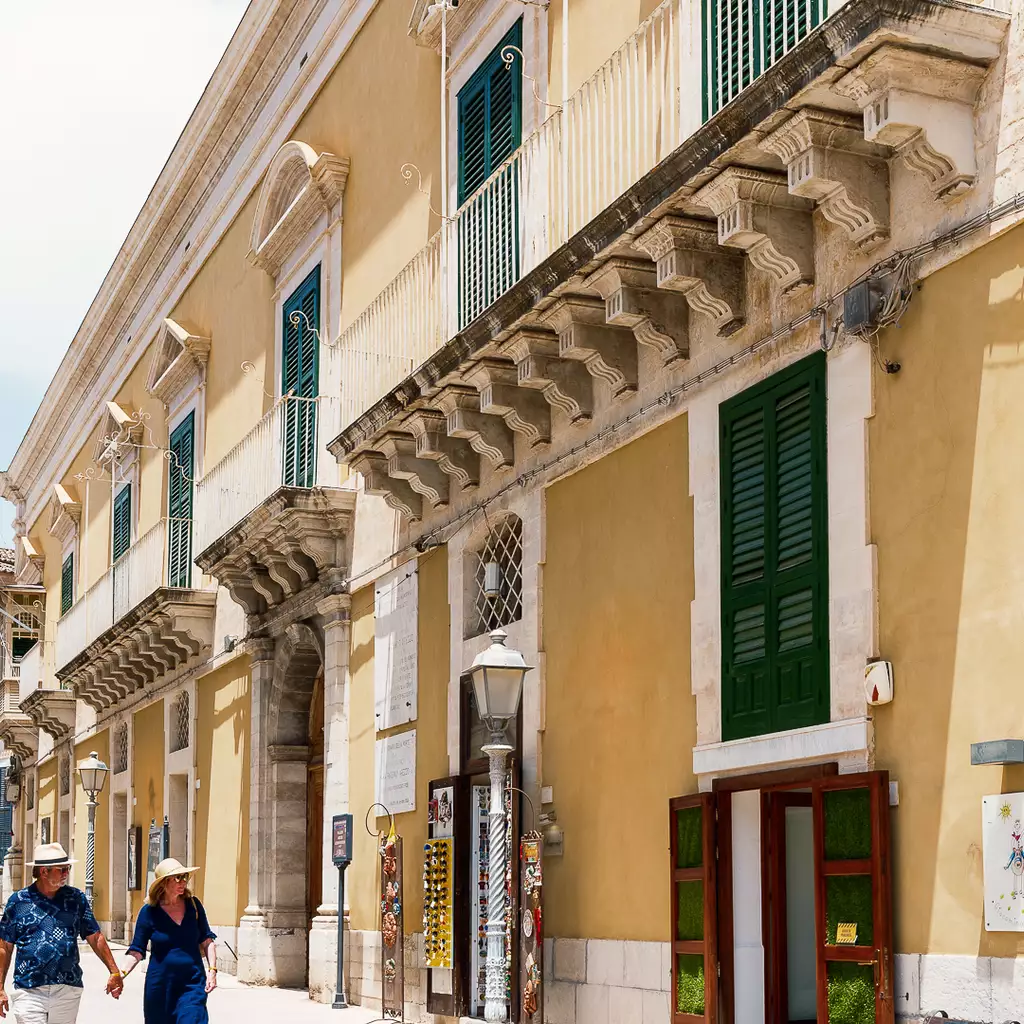
Palace Bertini, located along Corso Italia in Ragusa, is one of the most emblematic examples of 18th-century civil Baroque architecture in Sicily. Built for a local noble family, the building is distinguished by its elegant limestone façade, embellished with wrought-iron balconies supported by three famous sculpted corbels depicting grotesque masks known as “the three masks of human comedy”: the nobleman, the bourgeois and the commoner. These caricatured faces represent social satire and are considered among the most striking Baroque decorations in the city. Inside are frescoed ceilings, stucco work and decorations that reflect the refined taste of the Ragusa aristocracy of the time. Today, the palace is a cultural and artistic landmark in the historic centre, bearing witness to Ragusa’s historical, social and architectural richness. Visiting it, one fully grasps the theatrical and symbolic spirit of the Hyblean Baroque.

The Church of Santa Maria dell’Itria

The Church of Santa Maria dell’Itria in Ragusa, founded in the 14th century, is a significant example of religious architecture that harmoniously blends Gothic, Renaissance and Baroque elements, reflecting the different historical periods that marked the area. The sober but elegant façade leads to a richly decorated interior, with refined stuccoes and Baroque frescoes of great artistic value, which lend the room an evocative and solemn atmosphere. The church houses numerous works of sacred art from various periods, testimony to the cultural and spiritual richness of the local community. It is the seat of the Confraternity of the Itria, an institution that preserves ancient religious traditions that are still alive and popular. Open to both the faithful and tourists, the church also hosts cultural and religious events that enhance and promote Ragusa’s precious historical and artistic heritage, representing a spiritual and cultural reference point for the city.

The Ibleo Garden

The Ibleo Garden, located in the heart of Ragusa Ibla, the city’s charming historic district, is Ragusa’s oldest and most charming public garden. Built in the first decades of the 19th century, this green space today represents an oasis of peace and tranquillity, ideal for relaxing walks among paths shaded by centuries-old trees, enchanting fountains and artistic statues that enrich the atmosphere. The garden has always been an important social and cultural meeting point for the local community, hosting numerous events, demonstrations and meetings that enliven city life. From here one can also admire breathtaking views of the surrounding countryside and the Iblei hills, offering a perfect combination of nature, history and community life. A place where past and present meet to offer unforgettable experiences.

Palace Cosentini

Palace Cosentini, located on Corso Giuseppe Mazzini in Ragusa Ibla, is a fine example of Sicilian Baroque architecture dating from the third-fourth quarter of the 18th century. Built at the behest of Baron Raffaele Cosentini and his son Giuseppe, the palace is distinguished by its richly decorated façade, characterised by balconies with sculpted corbels depicting grotesque masks and symbolic animals. Prominent among these is the famous “balcony of slander”, known for its originality and evocative significance. On the cantonal of the palace stands a statue of St Francis of Paola, protector of travellers, which gives the place a spiritual as well as artistic value. Today Palazzo Cosentini hosts cultural events, exhibitions and initiatives that enhance its historical and artistic heritage, representing a landmark in the heart of Ragusa Ibla and a symbol of the cultural wealth of the Hyblean territory.

The Theater of Concordia

The Theater of Concordia, located on Via Ecce Homo in Ragusa, was inaugurated in 1844 thanks to the initiative of a group of educated and progressive citizens who had formed the “Società della Concordia”. It was for a long time the pulsating centre of the city’s cultural and social life, offering a space for theatrical and musical performances and public meetings. The building, designed in the Neoclassical style, had a horseshoe-shaped floor plan with overlapping boxes and stalls, following the architectural models of 19th-century theatres. Although the theatre has ceased its original function, it still retains significant elements of the original structure, such as some interior decorations and part of the masonry. It is considered a cultural asset of great historical and identity value for Ragusa, at the centre of recovery and enhancement proposals that aim to restore it to its role as a space for culture and collective memory.