Museo Visuo-Tattile

Il Museo Visuo-Tattile “Tommaso Campailla”, situato a Modica, rappresenta un innovativo spazio culturale dedicato all’accessibilità e all’inclusione delle persone con disabilità visive. Grazie a un percorso multisensoriale unico nel suo genere, il museo offre ai visitatori la possibilità di esplorare la storia, l’arte e il paesaggio di Modica attraverso modellini tridimensionali in rilievo, audioguide dettagliate e materiali interattivi studiati appositamente per stimolare il tatto e l’udito. Questo approccio rende il patrimonio storico e culturale fruibile in modo coinvolgente e accessibile a tutti, superando barriere e favorendo una partecipazione attiva e inclusiva. Il museo è oggi un’eccellenza nel campo dell’educazione culturale e dell’accessibilità, promuovendo valori di solidarietà e valorizzazione del territorio in una dimensione aperta e innovativa.
Museo della pipa

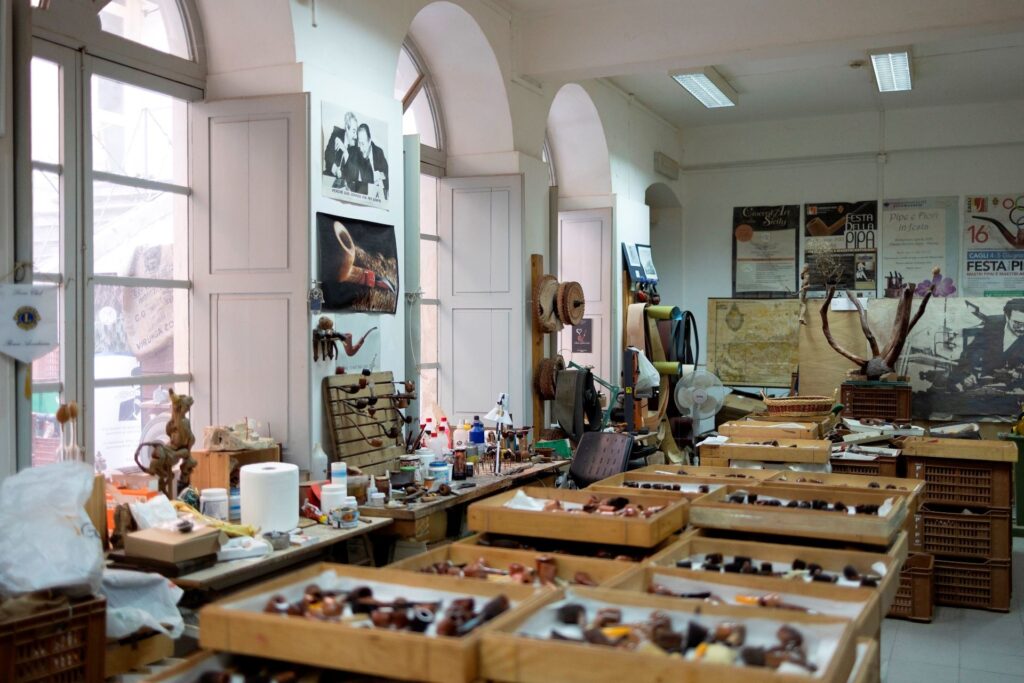
Il Museo Internazionale della Pipa di Modica, situato in Corso Giuseppe Garibaldi 58, è un luogo unico e affascinante che celebra l’arte e la tradizione della lavorazione della pipa, un oggetto di raffinata manifattura artigianale. Fondato dal maestro Salvatore Amorelli, noto in tutto il mondo per le sue pipe gioiello realizzate con materiali preziosi e tecniche raffinate, il museo propone ai visitatori un vero e proprio viaggio nel tempo alla scoperta della storia, della cultura e delle tecniche di lavorazione di questo singolare manufatto. All’interno si può ammirare una vasta collezione di pipe, strumenti storici, torni e utensili antichi utilizzati dagli artigiani, mentre laboratori didattici permettono di apprendere direttamente le tradizioni e i metodi di produzione. Il museo è un punto di riferimento fondamentale per appassionati, studiosi e semplici curiosi, offrendo un’esperienza educativa, culturale e artistica davvero unica nel suo genere.

Museo della memoria

Il Museo della Memoria – Sicilia 1943, situato in Via Sorda Sampieri, 46/D a Modica, è un luogo che conserva e racconta le drammatiche vicende vissute dalla Sicilia durante la Seconda Guerra Mondiale. Fondato nel 2012 da Andrea Blefari e Antonino Montalto, il museo ospita una vasta collezione di reperti bellici, divise, elmetti, mezzi militari, documenti inediti e fotografie storiche. Il percorso espositivo ripercorre le tappe dell’occupazione anglo-americana in Sicilia, con particolare attenzione allo sbarco alleato (Operazione Husky) e alla resistenza italo-tedesca. Il museo offre anche una sezione dedicata alla storia del Regio Esercito e della Germania nazista, permettendo ai visitatori di comprendere le complesse dinamiche del conflitto nel contesto siciliano. È un luogo di memoria e riflessione, fondamentale per la conservazione della storia locale.

Palazzo La Rocca

Palazzo La Rocca, situato in Via Capitano Bocchieri a Ragusa Ibla, è un pregevole esempio di architettura tardo-barocca siciliana. Costruito tra il 1760 e il 1780 per volere del barone Don Saverio La Rocca di Sant’Ippolito, l’edificio si sviluppa su due piani con una facciata lunga circa 50 metri, arricchita da otto balconi sorretti da mensole in pietra pece, ciascuno decorato con figure antropomorfe e scene di vita quotidiana. L’ingresso principale è caratterizzato da un portale con balcone superiore a petto d’oca. All’interno, un atrio con scalinata a doppia rampa in pietra pece e pavimento decorato con inserti in calcare bianco e maioliche conduce alle stanze nobiliari, che conservano arredi settecenteschi. Il palazzo ospita il MUSAC (Museo di Storia dell’Architettura e della Costruzione nel Mediterraneo), gestito dall’associazione A.St.R.A.Co., che promuove la valorizzazione del patrimonio architettonico locale attraverso mostre e attività culturali.

Antica Farmacia Cartia

Fondata nel 1902 dal dottor Guglielmo Cartia, l’Antica Farmacia Cartia si trova lungo via Francesco Mormina Penna, una delle strade più caratteristiche nel cuore del barocco di Scicli. La farmacia è perfettamente conservata e rappresenta un autentico scrigno di storia, con arredi originali in noce, scaffalature, vetrine in legno intagliato, contenitori in vetro soffiato e strumenti farmaceutici d’epoca che raccontano la pratica medica dei primi del Novecento. Trasformata oggi in museo, offre ai visitatori un’esperienza immersiva che permette di rivivere atmosfere di un tempo, tra profumi, luci soffuse e oggetti preziosi. L’Antica Farmacia Cartia è uno dei pochi esempi in Sicilia di farmacia storica visitabile, un luogo di grande valore culturale che testimonia la storia della medicina, della farmacia e della vita quotidiana a Scicli. Questo patrimonio unico contribuisce a valorizzare il tessuto urbano e culturale della città, attirando studiosi, turisti e appassionati di storia.

Montalbano’s Cinematic Itineraries

The film-themed tours dedicated to Inspector Montalbano in Scicli guide visitors through the evocative streets, squares, and monuments that served as the backdrop for the investigations and adventures of the famous inspector created by Andrea Camilleri. The baroque historic center of Scicli thus becomes a large open-air set, offering a unique experience that blends art, history, and entertainment. Among the most well-known stops are Piazza Italia, with its lively urban atmosphere, the Church of San Bartolomeo, and the Antica Farmacia Cartia, a true historical and cultural gem. These locations allow fans of the series to relive its most iconic scenes by immersing themselves in the real settings of the TV fiction. These themed tours not only enhance Scicli’s rich architectural and artistic heritage but also promote experiential tourism, helping to solidify the city’s international fame through the Montalbano phenomenon. It is a cultural and tourist offering that attracts visitors from all over the world—enthusiasts of literature, cinema, and unique landscapes.

Ancient crafts of the Ispica Quarry

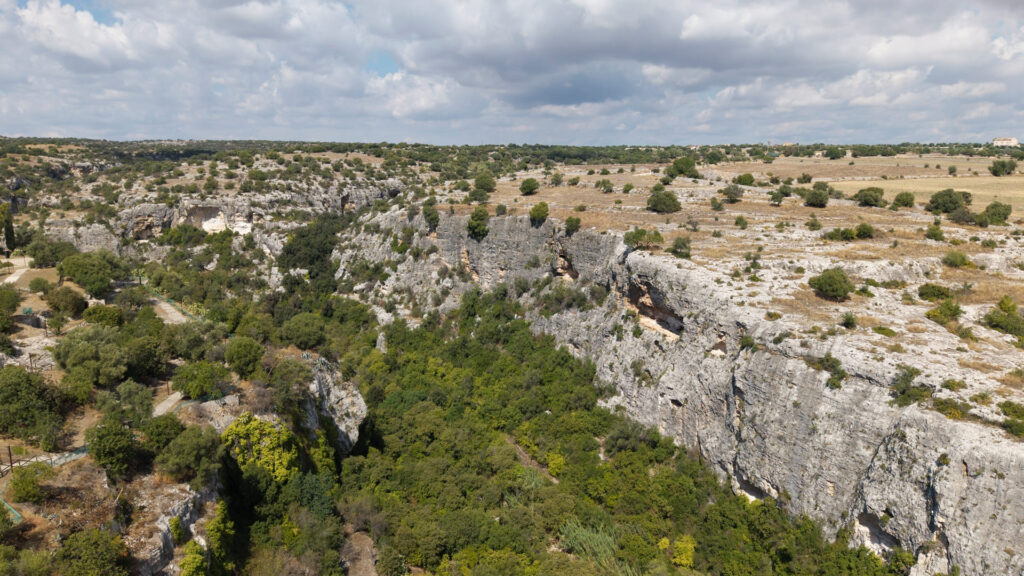
The Ancient Crafts Trail of the Cava d’Ispica retraces the traditional rock-based economy of the region, where, for centuries, artisans and farmers worked among tunnels and natural ravines. Carved into the calcarenite rock, water mills, oil presses, and kilns bear witness to the processing of grains and olives, while bakeries and tanneries reflect everyday life in the caves. Original tools and guided reconstructions revive the manual skills of an era when stone was both workshop and home. The trail also passes through ancient troglodyte dwellings and rock-hewn chapels. Today, this open-air museum serves as an educational and tourist route that blends nature, history, and technology, enhancing a unique heritage in the heart of the Val di Noto.

The birthplace of Salvatore Quasimodo

The birthplace of Salvatore Quasimodo, located in Via Posterla in Modica, is the place where one of the greatest Italian poets of the 20th century, winner of the Nobel Prize for Literature, was born in 1901. Transformed today into a museum house, it jealously preserves the original furnishings, personal objects and the famous Olivetti typewriter with which Quasimodo composed his works, offering an authentic and intimate atmosphere. The simple, intimate environment recounts the poet’s humble origins and life through photographs, documents, manuscripts and texts on display, allowing visitors to come into contact with his human and artistic experience. The house represents a fundamental reference point for lovers of literature and culture, becoming a space of living memory and a profound symbol of the cultural identity of the city of Modica.

The Sifilicomio Campailla – Museum of Medicine

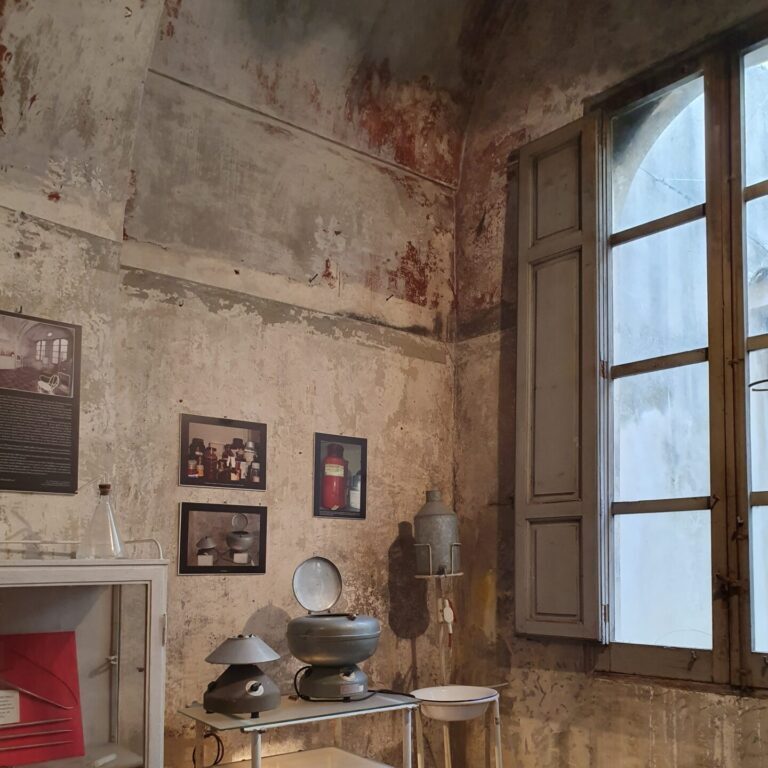
The Sifilicomio Campailla – Museum of Medicine, located in Piazza Matteotti in Modica, is a rare and valuable example of an 18th-century health facility dedicated to the treatment of syphilis, a widespread and feared disease at the time. The complex is famous for housing the famous mercurial stoves, stone rooms designed to subject patients to therapeutic vapours containing mercury, an innovative practice at the time. This methodology was devised by the famous Modican physician and philosopher Tommaso Campailla (1668-1740), who pioneered experimental medicine. The museum preserves original instruments, period furniture and information panels detailing the medical practices and scientific theories of the time. Carefully and rigorously restored, the site offers visitors a unique and fascinating testimony to a significant page in the history of medicine and science in Sicily, paying tribute to Modica’s contribution to medical progress.

Pipe Museum

The Modica International Pipe Museum, located at 58 Corso Giuseppe Garibaldi, is a unique and fascinating place that celebrates the art and tradition of pipe-making, an object of refined craftsmanship. Founded by master Salvatore Amorelli, known throughout the world for his jewel pipes made with precious materials and refined techniques, the museum offers visitors a true journey through time to discover the history, culture and manufacturing techniques of this unique artefact. Inside you can admire a vast collection of pipes, historical instruments, lathes and ancient tools used by craftsmen, while educational workshops allow you to learn directly about traditions and production methods. The museum is an essential reference point for enthusiasts, scholars and the simply curious, offering a truly unique educational, cultural and artistic experience.